Tilicho Lake Trek

The Tilicho Lake Trek is a remarkable high-altitude journey into the heart of the Annapurna region, leading trekkers to Tilicho Lake (4,919 meters) – one of the highest alpine lakes in the world. This trek is designed for travelers who seek dramatic Himalayan scenery, cultural immersion, and a challenging yet achievable mountain adventure without completing the full Annapurna Circuit.

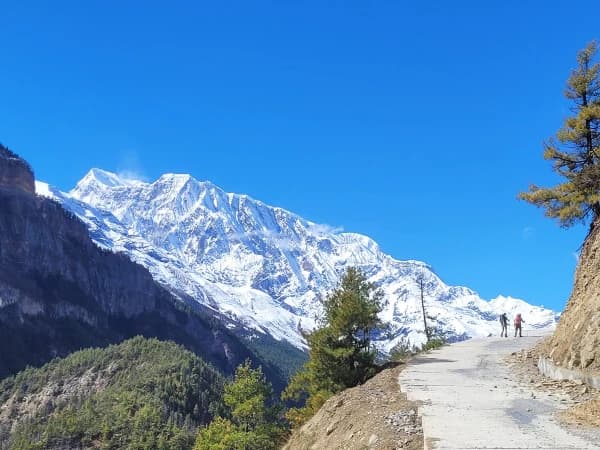
The journey unfolds through a diverse range of landscapes: terraced farmlands in the lower valleys, pine and rhododendron forests, high alpine meadows, and stark glacial terrain as you approach Tilicho Lake. Along the way, you pass through traditional villages such as Chame, Pisang, and Manang, where centuries-old lifestyles of the Gurung and Manangi communities remain deeply connected to the mountains.

Beginning in Kathmandu, Nepal’s cultural and historical capital, the trek gradually ascends through the Marshyangdi Valley, allowing ample time for acclimatisation and exploration. Manang serves as a vital high-altitude hub before the trail branches toward the remote and rugged Tilicho region. The final approach to Tilicho Lake is demanding, crossing landslide-prone slopes and glacial moraines – but the reward is extraordinary: a vast turquoise lake cradled beneath towering snow-covered peaks and glaciers.

Unlike the full Annapurna Circuit, this trek focuses on the Tilicho Lake experience itself, making it ideal for trekkers with limited time who still want an authentic Himalayan encounter.

Highlights of the Annapurna Tilicho Lake Trek

  • Visit Tilicho Lake (4,919 m), one of the highest lakes in the world, surrounded by glaciers and dramatic Himalayan peaks.
  • Trek through the scenic Manang Valley, known for its stark beauty and strong Tibetan-influenced culture.
  • Experience traditional Gurung and Manangi villages, monasteries, prayer walls, and high-altitude lifestyles.
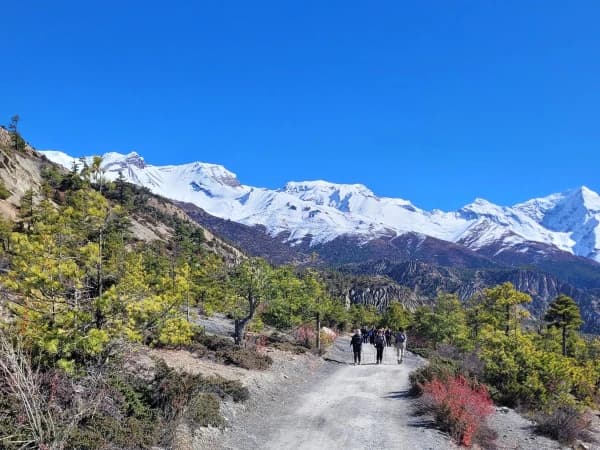
  • Walk through varied terrain, from lush river valleys and forests to rugged alpine landscapes.
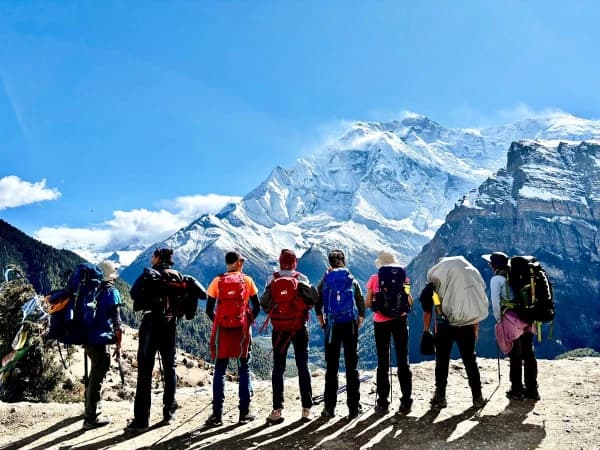
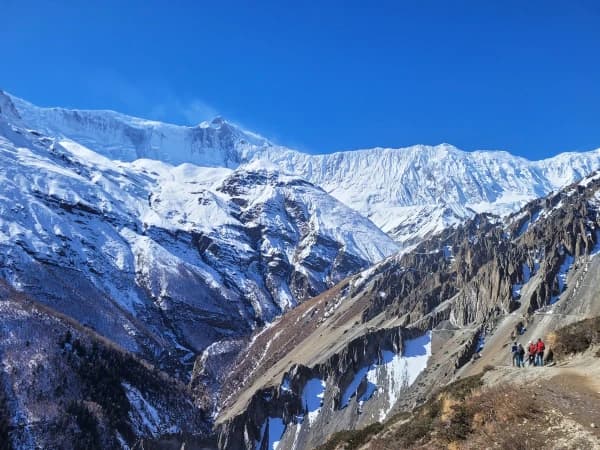
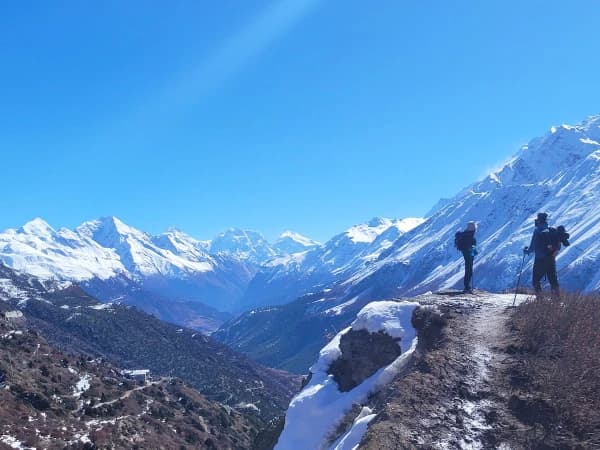
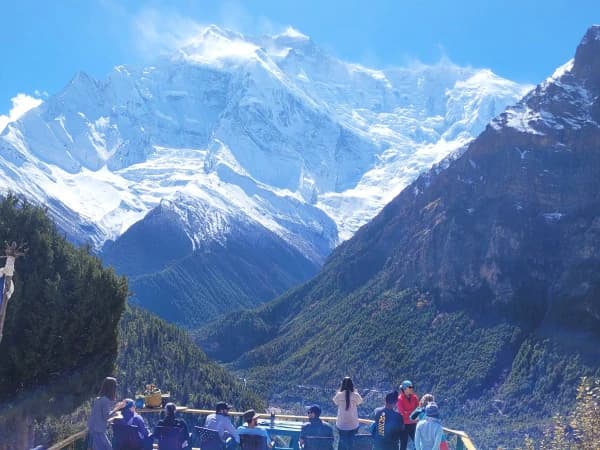
  • Enjoy breathtaking views of Annapurna II, III, Gangapurna, Tilicho Peak, and surrounding glaciers.
  • Stay in welcoming mountain teahouses, sharing stories over warm meals in remote Himalayan settlements.

What Can I Expect from the Annapurna Tilicho Lake Trek?

The Tilicho Lake Trek blends cultural discovery with high-altitude adventure. As the trail climbs higher, the environment shifts dramatically green valleys’ give way to dry alpine slopes, wide glacial basins, and icy mountain winds. Villages perched on hillsides, yak pastures, and centuries-old monasteries provide meaningful insight into life in the high Himalaya.

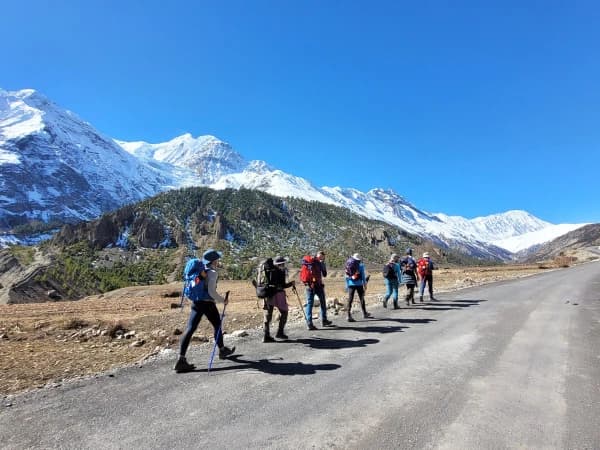
This trek is moderately challenging, with daily walks averaging 5–7 hours. While no technical climbing is required, trekkers must be prepared for steep ascents, narrow trails, and high-altitude conditions, particularly on the approach to Tilicho Lake. Proper acclimatization days, especially in Manang, help ensure a safe and rewarding experience.

The highlight, Tilicho Lake, is a moment of quiet awe. Its still, turquoise waters reflect the surrounding snowfields and cliffs, creating one of the most striking natural scenes in Nepal. For photographers, nature lovers, and mountain enthusiasts, this trek offers endless visual rewards. Evenings are spent resting in cozy teahouses, enjoying nourishing local meals, and preparing for the next day’s journey.

Major Attractions of the Annapurna Tilicho Lake Trek

Your adventure begins in Kathmandu, where ancient temples and vibrant street life offer a cultural introduction to Nepal. From here, you travel toward the Annapurna region, following the Marshyangdi River through villages like Chame and Pisang, where terraced fields meet soaring Himalayan walls.

Manang, a high-altitude settlement surrounded by glaciers and peaks, is a central highlight. Trekkers spend time acclimatizing here, exploring monasteries, visiting Gangapurna Lake, and absorbing the quiet rhythm of mountain life.

Beyond Manang, the trail becomes more remote and dramatic as it leads toward Tilicho Base Camp and finally to Tilicho Lake itself, a glacial jewel set beneath towering peaks. The return journey retraces the same route, allowing trekkers to experience the landscape from a new perspective as they descend back into greener valleys.

Who Can Do the Annapurna Tilicho Lake Trek?

This trek is ideal for adventurers with a moderate level of fitness who are comfortable walking 5–7 hours per day on varied terrain. While previous trekking experience is helpful, it is not mandatory. The key requirements are good physical conditioning, patience with altitude, and a willingness to walk steadily at high elevations.

Iconic Himalaya welcomes solo travelers, couples, families with older children, and small groups. Our experienced guides and porters ensure safety, proper acclimatization, and cultural understanding throughout the trek. The itinerary is designed with flexibility, allowing trekkers to move at a comfortable pace, enjoy photography breaks, and truly connect with the Himalayan landscape.

Tilicho Lake Trek Itinerary
Expand all

Welcome to Kathmandu! Upon arrival at Tribhuvan International Airport, an Iconic Himalaya representative greets you and transfers you to your hotel. After settling in, enjoy a short trek briefing covering the route, altitude considerations, and preparation tips. The evening is free to relax, explore Thamel, or enjoy a traditional Nepali dinner.

Today is dedicated to discovering Kathmandu Valley’s UNESCO World Heritage Sites. Visit sacred landmarks such as Swayambhunath (Monkey Temple), Pashupatinath Temple, and Boudhanath Stupa, each revealing Nepal’s deep Hindu and Buddhist roots. In the afternoon, complete final gear checks and paperwork. Rest well, tomorrow the Himalayan journey begins.

After breakfast, depart Kathmandu on a scenic drive following the Trishuli and Marshyangdi rivers. Terraced hillsides, waterfalls, and rural villages pass by as you enter the Annapurna region.
After reaching Besisahar, continue by jeep along a rugged mountain road to Dharapani, where the trekking trail officially begins. The crisp mountain air and pine forests signal your transition into trekking life.

The trail follows the Marshyangdi River through forests of pine, fir, and rhododendron. You pass traditional villages and prayer wheels as the valley narrows and mountain walls rise higher.
Arrive in Chame, the administrative center of Manang District, surrounded by dramatic cliffs and snow-capped peaks. Evening walks reveal monasteries, mani walls, and distant glacier views.

Leaving Chame, the trail ascends into alpine terrain. You pass apple orchards in Bhratang, where you may sample fresh apple juice or cider, a local specialty. As you approach Pisang, Annapurna II and Pisang Peak dominate the skyline. Upper Pisang offers breathtaking sunset views and a deep sense of Himalayan solitude.

Today’s high route through Ghyaru and Ngawal rewards steady climbing with some of the finest panoramic views of the trek. Stone villages cling to ridgelines, overlooking vast valleys carved by glaciers. Descending gently, you reach Manang (3,540 m), a high-altitude settlement surrounded by Gangapurna, Annapurna III, and Tilicho Peak. This is the cultural and acclimatisation hub of the region.

A crucial day for altitude adjustment. Short hikes to Gangapurna Lake or nearby viewpoints help your body adapt while offering stunning scenery. You may visit the Braga Monastery or attend an altitude-awareness talk at the Himalayan Rescue Association. The afternoon is relaxed – perfect for journaling, photography, or enjoying the slow rhythm of mountain life.

Leaving Manang, the trail climbs gradually above the tree line into open alpine meadows. Yaks graze in wide pastures, and the air becomes noticeably thinner. You reach Siri Kharka, a small settlement offering wide views and peaceful surroundings beneath towering Himalayan slopes.

The trail becomes more rugged and dramatic, traversing landslide-prone sections, moraine paths, and glacial streams. Careful footing and steady pacing are essential. By afternoon, arrive at Tilicho Base Camp, perched beneath massive cliffs and glaciers. The setting feels remote and powerful and offers a true high-mountain environment.

An early start takes you higher into the alpine world. The climb to Tilicho Lake is challenging but immensely rewarding. Suddenly, the vast turquoise lake appears – still, silent, and surrounded by snow-covered peaks. This is the emotional and visual pinnacle of the trek. After time for rest, reflection, and photography, descend carefully back to Tilicho Base Camp.

Retrace your route carefully, descending through the same dramatic terrain. The lower altitude brings easier breathing and renewed energy. Return to Siri Kharka for a restful evening, reflecting on the achievement of reaching one of the world’s highest lakes.

Continue descending into the Manang Valley, and continue onward to Bhraka (Braga). Familiar landscapes now feel different as the body regains strength at lower altitude. Back in Bhraka, enjoy a comfortable night, hot meals, and the warmth of village life after days in the high alpine zone.

The trail descends through forests and river valleys, retracing your steps through Pisang. The greenery gradually returns, and waterfalls reappear along the route. Arrive in Besi Sahar, where a warm shower and relaxed evening feel especially rewarding.

The drive back to Kathmandu from Besi Sahar meanders along the mid-hills of Nepal, passing through small settlements, and follows the Marshyangdi and Trishuli Rivers. Enjoy the window side views, observing life in the mid-hills, while allowing your mind to reflect on the two weeks that you’ve spent in the laps of the mountains. 

An Iconic Himalaya representative transfers you to the airport for your onward flight. You depart with lasting memories of Tilicho Lake, its silence, scale, and raw beauty etched into your journey through Nepal’s high mountains.

Unable to locate what are you seeking?Download brochure or customize your trip.
Customize Trip
Cost Details
Includes
  • Airport pickup and drop-off service in Kathmandu and Pokhara.
  • 3 nights accommodation in Kathmandu with breakfast.
  • All ground transportation as per itinerary (tourist bus, private vehicle, or domestic flight where applicable).
  • Full board meals (breakfast, lunch & dinner) during the trek.
  • Tea or coffee with each meal during the trek.
  • Accommodation in comfortable mountain lodges and teahouses throughout the trek.
  • Licensed and experienced English-speaking trekking guide with high-altitude expertise.
  • Porter service (one porter for every two trekkers; maximum 25 kg combined per porter).
  • Annapurna Conservation Area Permit (ACAP) and TIMS card.
  • Staff salary, insurance, food, and accommodation for trekking crew.
  • Comprehensive pre-departure briefing covering itinerary, altitude awareness, safety, and packing guidance.
  • Duffel bag for porter use (to be returned after the trek).
  • Emergency support coordination and first-aid kit carried by the guide.
  • Trek completion certificate
Excludes
  • International airfare to and from Nepal.
  • Nepal entry visa fee.
  • Travel insurance (compulsory; must cover trekking up to 5,500 m and emergency evacuation).
  • Meals in Kathmandu and Pokhara beyond those specified, and all beverages (hot drinks in cities, bottled water, alcohol).
  • Personal trekking equipment (unless rented), laundry, phone calls, hot shower fees, and  Wi-Fi charges in teahouses.
  • Tips and gratuities for guide and porters (customary and appreciated but not mandatory).
  • Extra nights in Kathmandu or Pokhara for early arrival, late departure, or emergency/voluntary itinerary changes.
  • Optional trips and sightseeing if extended.
  • Any additional costs incurred due to delays, natural disasters, or unforeseen circumstances.
  • Excess baggage charges on domestic flights.
  • Any service not explicitly listed under “Includes.”
Dates & Availability

The Annapurna Tilicho Lake Trek is accessible throughout the year, with each season offering a distinct experience.

Spring (March–May) is one of the best times to trek, with blooming rhododendron forests, mild temperatures, and excellent mountain visibility. The trail feels vibrant and alive, especially in lower and mid-altitude sections.

Autumn (September–November) is the most popular season, offering stable weather, dry trails, and crystal-clear views of Annapurna, Gangapurna, and Tilicho Peak. This is the ideal time for photographers and first-time high-altitude trekkers.

Winter (December–February) brings fewer trekkers, crisp air, and snow-dusted landscapes. While Tilicho Lake remains accessible, colder temperatures and possible snowfall require good preparation and flexibility.

Monsoon (June–August) transforms the region into a lush green landscape. However, clouds, occasional landslides, and slippery trails make this season less recommended—especially for the Tilicho section, which requires stable conditions.

Iconic Himalaya operates guaranteed departures during spring and autumn, with private and fully customizable trips available year-round for solo travelers, families, and small groups.

Note:

  • Itineraries may be adjusted due to weather conditions, trail situations, or health-related considerations to ensure safety and comfort. 
  • A deposit (typically 25% of the total trip cost) is required to confirm the booking, with the remaining balance payable as per operator policy.
Tilicho Lake Trek Equipments

Proper equipment is essential for safety, comfort, and enjoyment on the Annapurna Tilicho Lake Trek. Although the trek is non-technical, it reaches high altitudes close to 5,000 meters, requiring careful preparation.

Bag & Packs

  • Main backpack: 40–60 L capacity with comfortable hip belt.
  • Daypack: 20–30 L for daily essentials.

Footwear

  • Sturdy, waterproof trekking boots with ankle support.
  • Comfortable camp shoes or sandals for evenings.
  • Trekking socks (3–4 pairs, moisture-wicking).

Clothing

  • Warm down jacket and a lightweight insulated jacket for layering.
  • Fleece or mid-layers (2).
  • Waterproof, breathable shell jacket and pants.
  • Thermal base layers for cold nights.
  • Quick-dry trekking shirts and long-sleeve tops.
  • Trekking pants and spare trousers.
  • Warm hat/beanie, sun hat, gloves (liner + insulated), buff/scarf.
  • Gaiters (helpful on wet or snowy days).

Sleeping & Bedding

  • Sleeping bag rated to at least -10 °C (recommended for nights near Khayer Lake).
  • Lightweight liner for hygiene.

Gadgets & Accessories

  • Sunglasses (UV protection), sunscreen (high SPF) and lip balm.
  • Headlamp with spare batteries.
  • Trekking poles (recommended — helpful on steep sections).
  • Water bottles (2 × 1 L) and water purification tablets or filter.
  • Power bank and spare camera batteries (limited charging).
  • Personal toiletries, quick-dry towel, toilet paper.
  • Small repair kit (needle/thread, duct tape), dry bags/plastic bags.

Medical & First Aid

Carry all personal prescription medications along with a small personal first-aid kit including pain relievers, blister treatment, antiseptic wipes, and rehydration salts. Diamox (acetazolamide) should only be taken if advised by your doctor. Your guide carries an extended first-aid kit and communication device for emergencies.

Women-Specific 

For women trekkers, thoughtful preparation greatly enhances comfort on the Annapurna Tilicho Lake Trek, especially as the journey reaches higher altitudes and more remote terrain. Carrying trusted feminine hygiene products in sufficient quantity is essential, as availability becomes limited beyond Manang. Wet wipes, hand sanitizer, and sanitary disposal bags are highly recommended for days when water access is restricted.

A light moisturizer and SPF lip balm help protect skin from strong alpine sun, cold wind, and dry air, particularly around Tilicho Lake and Thorong La Pass. A lightweight scarf or shawl is useful both for modesty during visits to monasteries and villages and as an extra layer of warmth on chilly mornings.

The Annapurna region is known for its welcoming culture, and many teahouses are family-run, often managed by local women. This creates a warm, respectful, and generally secure environment for female trekkers. Our guides are attentive to privacy and comfort needs and can request single rooms where available. Many women find this trek deeply empowering—physically, mentally, and emotionally—as it blends challenge with strong support and Himalayan hospitality.

Prescription Medicine

Trekkers should carry all regular prescription medications for the full duration of the trip, including extras in case of delays. While guides carry a comprehensive group first-aid kit and are trained in altitude response, personal medications—especially for chronic conditions—remain the responsibility of each trekker. Always keep essential medicines in your daypack rather than in porter luggage.

Essential Information

Annapurna Tilicho Lake Trek Difficulty

The Annapurna Tilicho Lake Trek is rated moderate to challenging, combining the classic Annapurna Circuit with a high-altitude detour to Tilicho Lake (4,919m). Daily walking hours typically range from 5 to 7 hours, with some longer days during the Tilicho Lake excursion and Thorong La Pass crossing.

The most demanding sections include the hike to Tilicho Lake and the pre-dawn ascent of Thorong La Pass (5,416m), both of which require endurance, steady pacing, and proper acclimatization. No technical climbing skills are required, but the high altitude, rugged terrain, and cold conditions demand good physical fitness and mental resilience.

With a well-planned itinerary that includes acclimatization days in Manang and gradual altitude gain, the trek is achievable for fit first-time high-altitude trekkers as well as experienced hikers seeking a classic Himalayan challenge.

Altitude Sickness & Remedies

Altitude is a serious consideration on this trek, as elevations exceed 4,000 meters. Tilicho Lake (4,919m) is the highest points, where symptoms of Acute Mountain Sickness (AMS) may occur.

The itinerary is designed with acclimatisation days and gradual ascents to reduce risk. Guides are trained to monitor trekkers closely and respond quickly to any symptoms.

To minimize altitude-related issues:

  • Drink 3–4 liters of water daily
  • Walk slowly and maintain a steady pace
  • Take frequent rest breaks
  • Eat well and avoid alcohol or sleeping pills
  • Inform your guide immediately if you experience headache, nausea, dizziness, or unusual fatigue

Prompt communication and early action are key to staying safe at altitude.

Travel Insurance

Comprehensive travel insurance is mandatory for the Annapurna Tilicho Lake Trek. Your policy must cover trekking up to 5,500 meters, including emergency medical treatment, helicopter evacuation, and trip interruption. Always confirm that high-altitude trekking in Nepal is explicitly included, as evacuation costs can be substantial without proper coverage.

Training for the Trek

Although the Annapurna Tilicho Lake Trek is non-technical, preparation greatly improves comfort and confidence. Begin training 6–8 weeks before departure, focusing on cardiovascular fitness and leg strength.

Recommended preparation includes: 

  • Regular walking, stair climbing, cycling, or hiking
  • Strength exercises such as squats, lunges, and core workouts
  • Weekend hikes carrying a light daypack
  • Light stretching or yoga to improve balance and flexibility

With consistent training, long walking days, steep ascents, and high-altitude sections will feel far more manageable – allowing you to fully enjoy the landscapes rather than struggle through them.

Best Time & Weather

The Annapurna Tilicho Lake Trek can be undertaken year-round, though conditions vary significantly by season.

Spring (March–May) offers blooming rhododendrons, mild temperatures, and clear mountain views, making it one of the best times for the trek.

Autumn (September–November) is the most popular season, with stable weather, dry trails, and spectacular visibility across the Annapurna and Dhaulagiri ranges.

Winter (December–February) is colder and quieter, with snow possible on high passes. Tilicho Lake remains stunning but requires extra caution and warm gear.

Monsoon (June–August) transforms the lower valleys into lush greenery, but clouds, rain, and slippery trails make this season less ideal—particularly for the Tilicho section.

For the best balance of safety, scenery, and comfort, March–May and September–November is highly recommended.

Food & Accommodation on the Trek

Accommodation during the Annapurna Tilicho Lake Trek is in local teahouses and mountain lodges, offering simple yet comfortable twin rooms with clean bedding and shared bathrooms. Facilities become more basic as altitude increases, especially near Tilicho Base Camp, but warmth and hospitality remain constant.

Meals are freshly prepared and filling, designed to support long trekking days. Typical options include dal bhat, soups, noodles, fried rice, pasta, pancakes, eggs, and tea or coffee. Vegetarian and vegan meals are widely available, and dal bhat remains a favorite for its energy and nutritional value.

Before and after the trek, accommodation in Kathmandu and Pokhara is in comfortable hotels with breakfast included. Pokhara’s lakeside cafés and restaurants provide a relaxing space to reflect, celebrate, and unwind after completing this remarkable Himalayan journey.

Nutshell 

  • Max Altitude: 5,416 m (Thorong La Pass)
  • Tilicho Lake Altitude: 4,919 m
  • Duration: 19–21 Days (Kathmandu–Kathmandu)
  • Trekking Duration: 14–16 Days on trail (Besisahar–Pokhara/Jomsom)
  • Terrain: Subtropical forests, stone staircases, river valleys, alpine meadows, moraines, glaciers, and high mountain passes
  • Average Daily Walking: 5–7 hours
  • Accommodation: Teahouses and mountain lodges during trek; hotels in Kathmandu & Pokhara
  • Food: Nepali, Manangi, Thakali, Tibetan-style meals and limited continental options
  • Permits: ACAP (Annapurna Conservation Area Permit), TIMS Card
  • Emergency: Helicopter evacuation available (covered by travel insurance)
  • Trek Grade: Moderate to Challenging
  • Fitness Level: Suitable for trekkers with good fitness, endurance, and high-altitude preparedness
  • Highlights: Tilicho Lake, Thorong La Pass, Manang Valley, Muktinath, Kali Gandaki Gorge, Himalayan panoramas, Gurung, Manangi & Thakali villages
Tilicho Lake Trek FAQs

The Tilicho Lake Trek is a more adventurous variation of the classic Annapurna Circuit. While the first leg of the trek follows the standard circuit around the Annapurna massif, this route includes a challenging trip to Tilicho Lake, one of the highest lakes in the world at 4,919m. 

The highest point of the trek is Tilicho Lake, making altitude sickness a serious concern. The itinerary includes acclimatisation days in Manang and gradual altitude gain to reduce the risk of Acute Mountain Sickness (AMS). Staying hydrated, walking slowly, and following your guide’s instructions are essential. Guides are trained to monitor symptoms, and emergency evacuation plans are in place.

This trek is more demanding than beginner routes like Ghorepani Poon Hill or Khopra Danda. However, fit first-time trekkers with strong determination, proper preparation, and a positive mindset can successfully complete it. Daily hikes are longer (5–7 hours), and altitude plays a major role. Prior hiking experience is helpful but not mandatory if fitness and pacing are well managed.

The main Annapurna Circuit sees moderate traffic, especially during peak seasons. However, the Tilicho Lake section is noticeably quieter and more remote, with fewer trekkers due to its rugged terrain. Spring and autumn are the busiest periods, but even then, the Tilicho detour and high-altitude sections feel peaceful and uncrowded compared to Annapurna Base Camp.

Accommodation consists of family-run teahouses and mountain lodges. Rooms are simple but clean, usually with twin beds, blankets, and shared bathrooms. Facilities become more basic at higher altitudes, particularly near Tilicho Base Camp. Meals are hearty and energy-rich, commonly including dal bhat, soups, noodles, fried rice, pancakes, eggs, and tea or coffee. Vegetarian options are widely available and recommended at altitude.

Yes. The Annapurna Tilicho Lake Trek is highly flexible. You can add extra acclimatisation days, include side trips such as Ice Lake or Gangapurna Lake, or extend the route through Upper Mustang or Nar–Phu Valley. Shorter versions ending in Jomsom or longer cultural extensions are also possible, depending on time and interest.

While earlier, the trek would begin at Besi Sahar, nowadays, with reliable roads leading up to Manang, the trek starts at Dharapanir, reached by a 8- 9 hour drive from Kathmandu. Transport options include private vehicles, tourist buses, and domestic flights.

Most teahouses offer solar or hydro-powered electricity, with small fees for charging devices. Wi-Fi is available in lower villages and Manang but becomes unreliable at higher elevations. Mobile networks (Nepal Telecom and Ncell) work intermittently up to Manang, with limited or no signal near Tilicho Lake and Thorong La Pass. Carrying a power bank is highly recommended.

All treks are led by licensed, experienced guides trained in first aid and altitude response. Guides carry communication devices and coordinate emergency support if needed. In serious cases, helicopter evacuation to Pokhara or Kathmandu can be arranged. Comprehensive travel insurance covering high-altitude trekking and evacuation is mandatory.

Responsible trekking is essential in fragile mountain environments. Stay in locally owned teahouses, avoid single-use plastics, use refillable water bottles with purification tablets, and respect local customs and religious sites. Dress modestly in villages and monasteries, ask permission before photographing people, and follow designated trails. Supporting local communities ensures that tourism directly benefits those who protect and live in the Annapurna region.

Speak to an Expert+977 9851130654

Share your queries and contact details on WhatsApp, and we’ll reach out to tailor a package that meets your needs.

You May Also Like
Annapurna Circuit Trek with Tilicho Lake - 22 Days
Price From
US$1850US$1930
Need Help? Call Us+977 9851130654