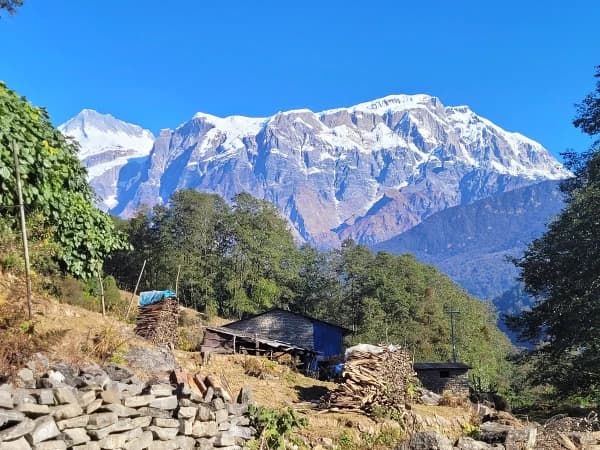
Sikles Kapuche Glacier Lake Trek

The Sikles Kapuche Glacier Lake Trek is a hidden gem in the Annapurna region — a short yet deeply rewarding journey that blends authentic Gurung culture with stunning Himalayan scenery. It’s one of the few treks where you can walk from lush subtropical hills to a glacier-fed lake in less than a week, experiencing both cultural immersion and natural wonder.

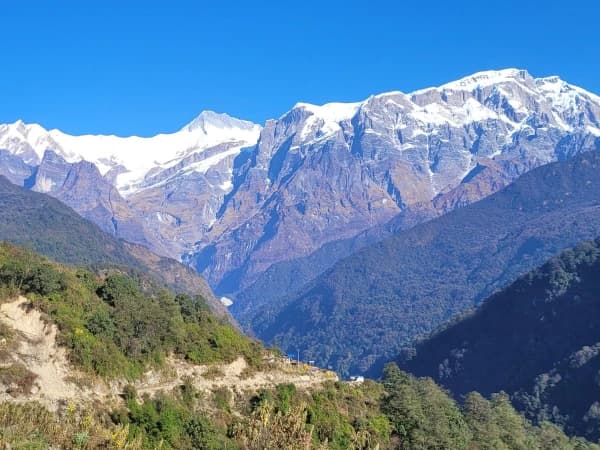
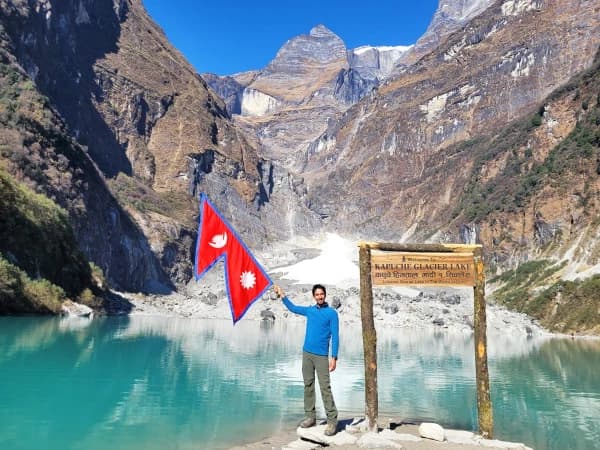
The trek leads to Kapuche Glacier Lake (2,450m) Nepal’s lowest-altitude glacier lake, surrounded by dramatic cliffs, icy waterfalls, and views of Annapurna II (7,937m), Lamjung Himal (6,983m), and the sacred Machhapuchhre (6,993m).

This trek offers a perfect balance of accessibility and adventure. You won’t face the altitude challenges of higher Himalayan trails, yet you’ll experience their grandeur — snow peaks glimmering above ancient stone houses and the quiet majesty of Kapuche’s turquoise waters.

For travelers seeking a peaceful, culturally rich trekking experience off the beaten path, Sikles Kapuche Glacier Lake is the ideal choice. 

Highlights

  • Discover Kapuche Glacier Lake, the lowest-altitude glacier lake in Nepal, framed by towering ice walls and cascading waterfalls.
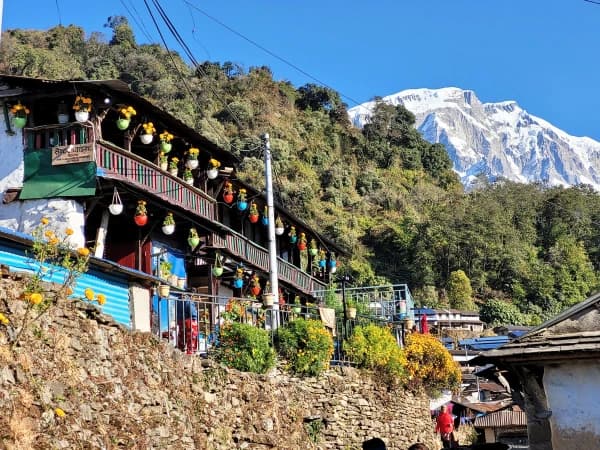
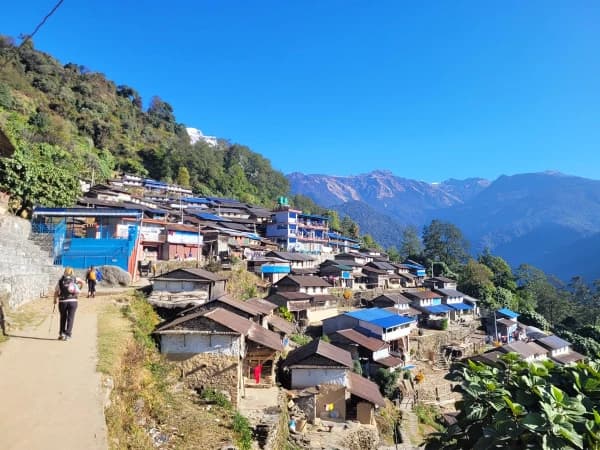
  • Explore Sikles, one of the largest and oldest Gurung settlements in the Annapurna region, known for its living heritage and traditional architecture.
  • Enjoy panoramic views of Annapurna II, Lamjung Himal, and Machhapuchhre (Fishtail) throughout the trek.
  • Walk through terraced hillsides, dense rhododendron and oak forests, and tranquil mountain valleys.
  • Experience genuine Gurung hospitality through local teahouses and homestays.
  • Perfect for families, beginner trekkers, and those seeking a short but immersive Himalayan adventure.

What can I expect from the Sikles Kapuche Glacier Lake Trek?

The trek offers a rare blend of cultural depth and natural beauty within a short itinerary. Each day brings new landscapes from rice terraces to glacial valleys while every village welcomes you with warm smiles, traditional cuisine, and a sense of belonging.

The maximum elevation is only 2,450 meters, making it an excellent choice for trekkers who wish to enjoy Himalayan views without concerns of altitude sickness. The path is well-marked and moderately challenging, with daily walks of 4–6 hours that allow plenty of time for rest, photography, and cultural interaction.

In spring (March–May), rhododendrons blanket the hills in red and pink, while autumn (September–November) brings clear skies and crisp air. The serenity of the Kapuche Lake, often shimmering in shades of blue and green, feels almost magical especially as chunks of ice occasionally calve from the surrounding glaciers.

Throughout the trek, you’ll stay in comfortable teahouses and homestays operated by local families who serve hearty meals dal bhat, vegetable curry, pancakes, and warm tea prepared with care and local produce.

Major Attractions of the Sikles Kapuche Glacier Lake Trek

Your adventure begins in Pokhara, the gateway to the Annapurna region. From the tranquil lakeside, you’ll drive through scenic countryside to the trailhead near Kahukhola, where your journey on foot begins.

The trail climbs gradually through terraced farmlands to Parche and onward to Sikles Village (1,980m) a living museum of Gurung tradition. Its stone-paved alleys, slate-roofed houses, and traditional cultural practices make it one of the most atmospheric villages in the Himalayas.

Beyond Sikles, the trail turns quieter, following the Kapuche Khola River through dense bamboo and oak forests to Hugu Goth (2,100m), a high meadow that serves as the base camp for the Kapuche hike.

The final stretch to Kapuche Glacier Lake is a journey into raw alpine beauty a turquoise lake at the foot of immense ice cliffs, surrounded by the silence of nature and the whispers of glacial streams. Few places in Nepal feel as pristine and untouched.

This trek is ideal for travelers seeking meaningful connection to people, place, and the natural world in a short, manageable adventure that still captures the magic of the Himalayas.

Who can do the Sikles Kapuche Glacier Lake Trek?

The trek is suitable for all ages and experience levels from first-time trekkers to families and seasoned travelers looking for a gentle, scenic route with authentic village experiences.

There are no technical challenges or high passes, and the trail’s moderate gradient allows for a relaxed pace. If you can walk 5–6 hours a day with short breaks, you can comfortably complete this trek.

Iconic Himalaya welcomes everyone from solo trekkers, couples, families, and groups to experience the unique blend of culture, comfort, and Himalayan wilderness. Our experienced guides ensure your safety, while our locally rooted itineraries ensure your journey benefits the communities you visit.

Sikles Kapuche Glacier Lake Trek Itinerary
Expand all

Welcome to Kathmandu, Nepal’s bustling capital. Upon arrival, a representative from Iconic Himalaya will greet you and escort you to your hotel. After settling in, attend a short briefing about your trek and the days ahead. Explore Thamel in the evening, enjoying local cafés, souvenir shops, and the vibrant streets. 

After breakfast, take a scenic drive to Pokhara, Nepal’s picturesque lakeside city and the gateway to many Annapurna treks. Enjoy views of rolling hills, rivers, and terraced fields along the way. In the evening, stroll around Phewa Lake or enjoy dinner at a lakeside restaurant.

Note: You can also opt to take a short 25-minute flight to Pokhara. 

After breakfast, drive from Pokhara towards Siklesh, one of the largest traditional Gurung villages in Nepal. The drive winds through hilly landscapes and offers glimpses of Annapurna II and Lamjung Himal. Upon arrival, settle into a local teahouse or homestay and take a walk around the charming stone-built village.

Today’s trek begins with a gradual climb through rhododendron and oak forests, passing small pastures and streams. The trail is peaceful and less crowded. In the afternoon, we reach Hugu Goth, a scenic pasture offering views of Annapurna II and Lamjung Himal.

An early start takes you toward Kapuche Lake, the lowest glacial lake in the world. The trail follows the Hugu River upstream, surrounded by cliffs and waterfalls. Upon reaching the turquoise glacial lake, enjoy a moment of serenity with dramatic mountain walls reflecting on the water. After spending time at the lake, return to Hugu Goth for the night.

Retrace your steps to Siklesh, descending through forests and open meadows. The return journey offers new perspectives of the surrounding peaks and valleys. Spend the evening in Siklesh, experiencing warm Gurung hospitality and local cuisine.

After breakfast, bid farewell to the mountains and drive back to Pokhara. Enjoy free time in the afternoon to relax by Phewa Lake, explore local cafés, or visit landmarks such as Davis Falls or the World Peace Pagoda.

Drive back to Kathmandu through scenic countryside and winding mountain roads. Upon arrival, check into your hotel and spend the evening at leisure — exploring, shopping for souvenirs, or enjoying a farewell dinner.

Note: You can also opt to take a short 25-minute flight to Kathmandu. 

Visit the iconic Swayambhunath, Pashupatinath Temple, the beautiful Boudhanath Stupa, and the medieval streets of Kathmandu Durbar Square. Its timeless architecture and the spiritual aura of the temples make for a perfect day in Kathmandu. Once you’ve been enchanted by the city, take some rest and expect an Iconic Himalaya T-shirt as your souvenir.

A representative from Iconic Himalaya will transfer you to Tribhuvan International Airport for your departure. Leave Nepal with lasting memories of mountain scenery, warm village hospitality, and the peaceful beauty of Kapuche Lake.

Until next time, Namaste! 

Unable to locate what are you seeking?Download brochure or customize your trip.
Customize Trip
Cost Details
Includes
  • Airport pickup and drop-off service in Kathmandu
  • 2 nights accommodation in Kathmandu with breakfast
  • 2 nights accommodation in Pokhara with breakfast
  • All ground transportation as per the itinerary (tourist bus, private vehicle, or domestic flight where applicable)
  • Full board meals (breakfast, lunch, dinner) during the trek
  • Accommodation in comfortable mountain lodges and teahouses throughout the trek
  • Professional, government-licensed English-speaking guide and experienced porters (1 porter per 2 trekkers; up to 25 kg per porter).
  • Porter to carry luggage (one porter for every two trekkers, max 25 kg combined.)
  • All necessary permits: Annapurna Conservation Area Permit (ACAP) and TIMS card; local permits where required.
  • First aid kit carried by the guide; pulse oximeter for monitoring.
  • All government taxes and official service charges.
  • A comprehensive briefing prior to departure.
  • Duffel bag for trekking (to be returned after the trek)
  • Emmergency assistance coordination.
  • Trek completion certificate.
Excludes
  • International airfare to and from Kathmandu
  • Nepal entry visa fee (obtainable on arrival or online).
  • Travel insurance (compulsory; must cover emergency evacuation and high-altitude rescue).
  • Meals in Kathmandu and Pokhara beyond those included
  • All beverages (hot drinks in town, soft drinks, bottled water, alcohol)
  • Personal trekking equipment (unless rented), laundry, phone calls, hot showers or Wi-Fi charges in teahouses.
  • Excess baggage charges on domestic flights.
  • Extra nights in Kathmandu or Pokhara for early arrival, late departure, or emergency/voluntary itinerary changes
  • Tips/gratuities for guides and porters (customary and highly appreciated)
  • Optional trips and sightseeing if extended
  • Any additional costs incurred due to delays, natural disasters, or unforeseen circumstances
  • Any other services that are not listed in the price “included section” of this package
Dates & Availability

At Iconic Himalaya Adventure, we welcome travelers from all over the world, offering both fixed-departure tours and customized private tours and trekking packages for your convenience. We cater to individuals, families, friends, students, and adventure-seeking groups, striving to meet everyone’s expectations and ensure a truly personalized travel experience.

Note:

  • The travel itinerary can be changed upon the traveler’s request before booking confirmation.
  • To confirm the trip booking, travelers must pay 25% of the total amount at least two months in advance.
Sikles Kapuche Glacier Lake Trek Equipments

Equipment and accessories are essential for comfort, safety, and an enjoyable experience on the Annapurna Base Camp Trek. Although this trek is relatively short and lower in altitude, good preparation ensures a smoother, more comfortable journey. Below is a detailed packing guide adapted specifically for the region.

Equipment and Accessories Packing List

Bag & Packs

  • Main backpack: 40–55 L capacity (comfortable hip belt, ventilated back).
  • Daypack: 20–25 L for daily essentials (water, camera, warm layers, snacks).
  • Duffel bag: for porter to carry the main luggage.

Footwear

  • Lightweight, waterproof trekking boots with ankle support.
  • Comfortable camp shoes or sandals for evenings.
  • Trekking socks (2–3 pairs, moisture-wicking).

Clothing

  • Lightweight down or insulated jacket for early mornings and evenings.
  • Fleece or mid-layers (1–2).
  • Waterproof, breathable shell jacket.
  • Thermal base layers (top & bottom) during colder months.
  • Quick-dry trekking shirts and long-sleeve tops.
  • Trekking pants and a spare pair of lightweight trousers.
  • Warm hat/beanie, sun hat, and gloves (light and insulated pair).
  • Buff or scarf for dust and wind protection.

Sleeping & Bedding

  • Sleeping bag rated to 0°C to -5°C (can be rented if needed).
  • Lightweight liner for added hygiene and warmth.

Gadgets & Accessories

  • Sunglasses (UV protected) and sunscreen (SPF 30+).
  • Headlamp with spare batteries.
  • Trekking poles (recommended for steep descents).
  • Reusable water bottles (2 × 1 L) or hydration bladder.
  • Water purification tablets or filter.
  • Power bank and charger (limited charging options in lodges).
  • Personal toiletries, quick-dry towel, and toilet paper.
  • Small repair kit (needle/thread, duct tape) and plastic bags for waterproofing.

Medical & First Aid

  • Personal prescription medicines.
  • Small personal first aid kit (pain relievers, blister plasters, antiseptic wipes, etc.).
  • Antidiarrheal and oral rehydration salts.
  • Sunscreen lip balm (SPF 15+).

Women-Specific

For women trekkers, the Siklesh Kapuche Trek provides a safe and welcoming environment. The trail passes through traditional Tamang and Sherpa villages, where many teahouses are family-run and women-led, creating a warm, secure atmosphere for female travelers. Trekking here is not just about the landscapes—it’s about connecting with local communities and experiencing authentic village life.

Women should carry trusted feminine hygiene products, wet wipes, and moisturizer for comfort during the trek. A light scarf or shawl is also useful when visiting monasteries, temples, or traditional homes, where modesty is appreciated. Comfortable clothing that is quick-dry, breathable, and layered will ensure protection from sun, cold, and dust.

Trekking in this region offers women a deeply empowering experience: mornings filled with crisp mountain air, afternoons walking along serene trails lined with rhododendrons and pine, and evenings in hospitable villages where stories are shared over warm meals and tea. The Siklesh Kapuche Trek is not only an adventure; it is a chance for women to explore the Himalayas safely, confidently, and meaningfully.

Prescription Medicine and First Aid

Carry all regular prescriptions for the entire trip. Our guides are equipped with a group first aid kit, but trekkers are responsible for their personal medications or chronic condition treatments.

Essential Information

Siklesh Kapuche Lake Trek Difficulty

The Siklesh Kapuche Trek is a gentle yet rewarding Himalayan journey, perfect for beginners, families, and travelers seeking a short adventure amidst Nepal’s serene hills. The daily walking duration ranges from 4–6 hours, taking you along lush forest trails, terraced farmlands, and peaceful village paths. The ascents are gradual, offering a satisfying climb without undue strain. No prior trekking experience is necessary, and anyone with a reasonable level of fitness can enjoy the trek comfortably. With the guidance of experienced local guides, even first-time trekkers find this trail both safe and immensely enjoyable.

Altitude & Remedies

The trek’s highest point, Kapuche (2,350 m), sits well below the altitude where acute mountain sickness (AMS) typically occurs. While altitude-related illness is unlikely, mild fatigue or shortness of breath can occur from physical exertion. Simple preventive measures are highly effective:

  • Hydrate frequently (2–3 liters per day).
  • Walk at a steady pace, taking regular rest breaks.
  • Eat nutritious meals and avoid alcohol or sleeping pills during the trek.
  • Always inform your guide if you feel discomfort or unusual fatigue.

Travel Insurance

Although the trek is moderate in elevation, comprehensive travel insurance covering trekking up to 3,500 m, medical emergencies, and emergency evacuation is mandatory. Confirm that your policy includes coverage for both health and trip interruptions to ensure peace of mind along the trail.

Training for the Trek

  • Even for a moderate trek like Siklesh Kapuche, preparation enhances your experience and reduces fatigue:
  • Begin 4–6 weeks prior with light cardiovascular activities such as walking, cycling, or stair climbing.
  • Practice short hikes carrying a daypack to strengthen your legs and core, making ascents and descents more comfortable.
  • Focus on endurance and flexibility to enjoy the walk through hilly terrain.

Best Time & Weather Notes

The Siklesh Kapuche region is accessible year-round, each season offering a unique charm. Spring (March–May) hillsides burst into color with rhododendron blooms, skies are clear, and temperatures are mild.

  • Autumn (September–November): Stable weather, crisp mountain views, and the most popular trekking season.
  • Winter (December–February): Trails are quieter and serene, with occasional snow-dusted paths and crisp air.
  • Monsoon (June–August): Lush green forests and peaceful trails, though occasional rain showers and leeches may be encountered.

Food & Accommodation

Trekking the Siklesh Kapuche trail offers a warm glimpse of Nepali hospitality. You’ll stay in teahouses and homestays, where freshly prepared meals include traditional Nepali dishes such as dal bhat, soups, noodles, and pancakes. Vegetarian and vegan options are widely available. Lodges are cozy and welcoming, providing simple yet comfortable beds for restful nights.

Nutshell

  • Max Altitude: 2,350 m (Kapuche Viewpoint)
  • Duration: 6 Days (Kathmandu–Kathmandu)
  • Trekking Duration: 3–4 Days 
  • Terrain: Forest trails, terraced hills, village paths, and panoramic ridges
  • Average Daily Walking: 4–6 hours
  • Accommodation: Teahouses and homestays along the trail; hotels in Kathmandu and Pokhara.
  • Food: Traditional Nepali cuisine, with vegetarian and vegan options widely available
  • Permits: Local trekking permits (Annapurna Region)
  • Emergency: Helicopter evacuation available (covered by travel insurance)
  • Trek Grade: Easy to Moderate
  • Fitness Level: Suitable for beginners, families, and first-time trekkers
  • Highlights: Panoramic hilltop views, lush forests, terraced farmlands, cultural immersion in Tamang villages, peaceful rural trails, and a short yet fulfilling Himalayan experience
Sikles Kapuche Glacier Lake Trek FAQs

The Siklesh Kapuche Trek is perfect for those seeking a peaceful, off-the-beaten-path experience. Unlike busier trails like Ghorepani Poon Hill, it passes through serene Tamang and local villages, terraced hills, and less-traveled forests. The trek offers cultural immersion, gentle ascents, and stunning viewpoints within a short duration, ideal for beginners or travelers with limited time.

Yes. The daily hikes are manageable, the terrain is moderate, and the highest point is only 2,350 m, minimizing the risk of altitude sickness. Families with children above 8 years or senior travelers with reasonable fitness can comfortably enjoy the trek.

Most homestays and teahouses provide limited solar-powered electricity for charging devices, usually for a small fee. Carrying a power bank is recommended, especially for cameras, phones, and GPS devices.

The trail is generally quiet and peaceful, providing a more intimate connection with nature and village life. The trek is ideal for travelers who prefer solitude, cultural encounters, and photography without the crowds typical on popular Annapurna routes.

Yes, trekkers can extend the journey to nearby villages, hilltops, or connect it with other shorter trails. Extra days allow for slower pacing, additional cultural experiences, or nature walks, making the itinerary flexible for various interests.

The Kapuche viewpoint (2,350 m) provides sweeping panoramic views of the surrounding hills, terraced farmland, and distant Himalayan ridges. It is a quiet, serene spot to enjoy sunrise or sunset, capturing the essence of rural Nepal far from the busier trekking circuits.

The trek begins in Sikles, approximately 1–1.5 hours’ drive from Pokhara. Private transfers or local taxis are available, and the drive itself offers scenic views of hills, rivers, and traditional villages a gentle prelude to the trail.

Altitude sickness is rare, as the highest elevation is only 2,350 m. Mild fatigue or shortness of breath may occur, but staying hydrated, pacing yourself, and taking rest breaks are usually sufficient preventive measures.

Guides are trained in first aid and emergency procedures, and most villages along the route have access to communication and basic medical assistance. Mobile networks cover key points along the trail. Evacuation can be arranged via helicopter if necessary, provided travelers have suitable insurance coverage.

Support local homestays and teahouses, avoid single-use plastics, and refill water bottles using purification tablets. Respect village customs, dress modestly, remove shoes when entering homes, and ask before taking photos. Purchasing local handicrafts and engaging with villagers helps sustain the region’s economy and preserves traditional lifestyles.

Speak to an Expert+977 9851130654

Share your queries and contact details on WhatsApp, and we’ll reach out to tailor a package that meets your needs.

Need Help? Call Us+977 9851130654