Everest Tengboche Monastery Trek

Everest Tengboche Monastery Trek
Duration
12 Days
Trip Grade
Moderate
Country
Nepal
Maximum Altitude
4,080 m.| 13,385 ft.
Group Size
2 to 15 People
Starts/Ends
Lukla - Lukla
Communication
Phone & WiFi
Activities
Trekking
Best Time
Autumn and Spring

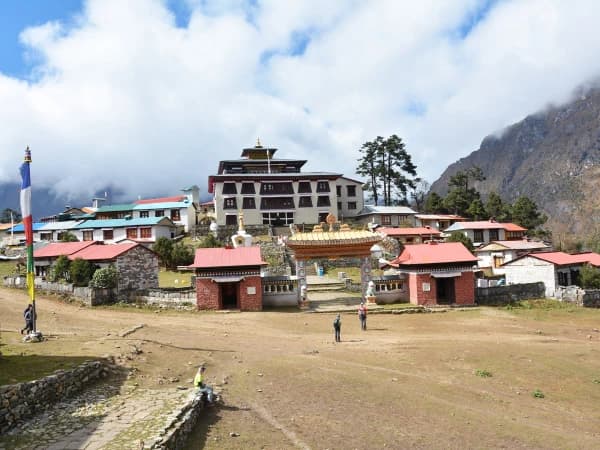
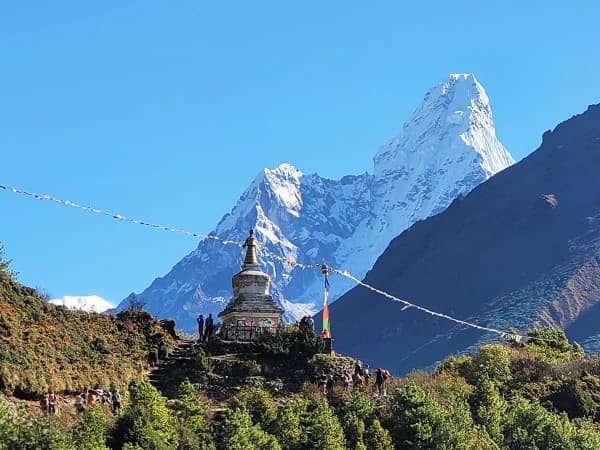
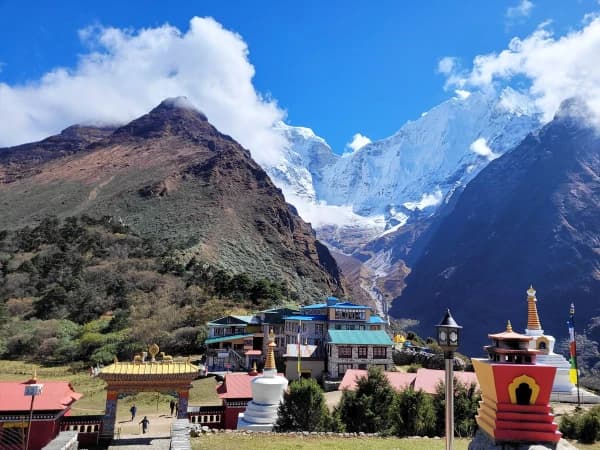
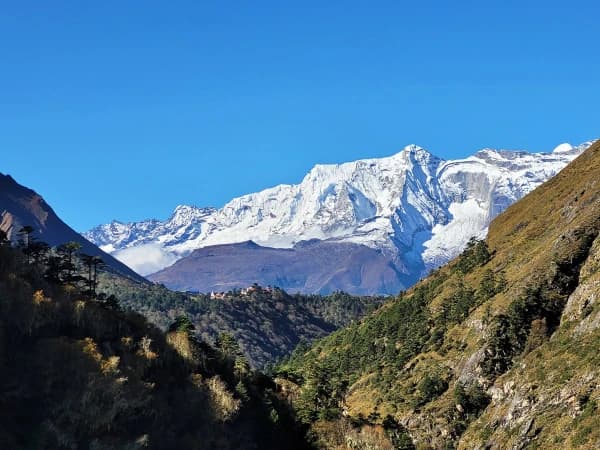
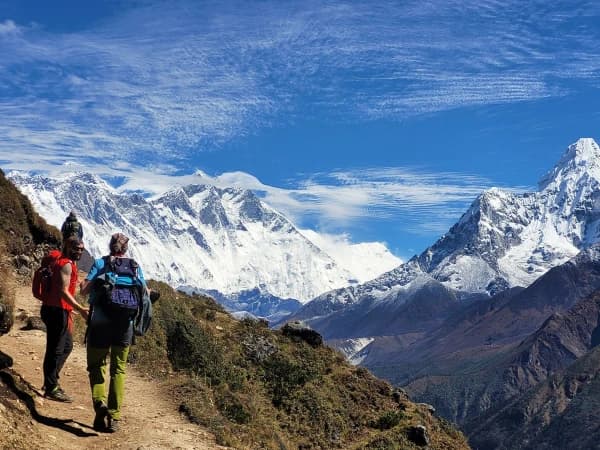
Few mountain journeys feel at once intimate and vast as the Everest Tengboche Monastery Trek. A soulful loop into Sherpa heartlands that places sacred alpine culture and breathtaking Himalayan spectacle at the centre of every step. Over 12 days this trek leads you from the bustling streets of Kathmandu into the cool, prayer-flagged ridges of the Khumbu, where Tengboche Monastery sits like a jewel on the mountains, its prayer wheels turning beneath the watchful faces of Ama Dablam, Thamserku and Everest itself.

This is a trek for travellers who seek a deep cultural encounter as much as a mountain vista. While the high peaks form an ever-present skyline, the true rhythm of the journey is set by village life. Stone houses, yak caravans, the soft thud of mani stones, and the chant of monks at dawn. The route passes through Sagarmatha National Park, a UNESCO World Heritage Site, where rhododendron forests give way to alpine pastures and the occasional glimpse of Himalayan Tahr or musk deer. Evenings in family-run teahouses offer hot soup, wood-smoke warmth and the kind of hospitality that turns strangers into friends. At Iconic Himalaya our guides and porters handle the logistics and safety so you can breathe, listen and witness a way of life intimately linked to the mountains.

Everest Tengboche Monastery Trek Highlights

  • A culturally rich, moderate-altitude trek into the spiritual heart of the Khumbu.
  • Visit Tengboche Monastery (3,860 m), one of the region’s most revered gompas (monastaries) with memorable prayer ceremonies. Breathtaking vistas of Everest, Ama Dablam, Lhotse, and Thamserku from monastery viewpoints.
  • Acclimatisation and gentle hikes around Namche Bazaar and the Everest View Hotel.
  • Walk through rhododendron forests, yak pastures and mani walls dotted with prayer flags.
  • Experience Sherpa culture in Khumjung and Khunde, the monasteries, schools and warm local hospitality.
  • Comfortable teahouse nights with hearty mountain food and clear, starry skies.
  • Flexible itinerary allowing optional side-hikes and cultural visits for deeper immersion.
Everest Tengboche Monastery Trek Itinerary

Note: During peak travel months such as April, May, October and November, direct flights from Kathmandu to Lukla are not available. Instead, you will have to opt from flying to Lukla from Manthali. Manthali is a pleasant 5–6-hour drive from Kathmandu.

Lukla - LuklaExpand all

On arrival at Tribhuvan International Airport, an Iconic Himalaya representative will meet you and transfer you to your hotel in Thamel. Kathmandu’s narrow alleys, wooden windows, and vibrancy give a lively prelude to the mountains. Tonight you meet your trekking leader and team; the leader will brief you on the route, check your kit and share practical advice for high-altitude walking. A welcoming Nepali dinner rounds off your first evening and sets the tone for the days ahead.

Max Altitude: 1,455 m.|4,773 ft. Accommodation: Standard hotel check in at ThamelMode of Travel: Pick up from the AirportDuration: 20 to 30 HoursDistance: 6 Kilometers

This day is for Kathmandu’s spiritual landmarks that will prepare your mind for the high places to come. Visit Swayambhunath (Monkey Temple), watch river rites at Pashupatinath, and spin the giant prayer wheels at Bouddhanath Stupa. Wander the carved courtyards of Kathmandu Durbar Square and re-live centuries of history. In the afternoon finalise your trekking kit boots, layers and sleeping bag. And sleep early for the early flight to Lukla.

Max Altitude: 1,455 m.|4,773 ft. Meals: BreakfastAccommodation: Standard hotel in ThamelMode of Travel: Car/Van/JeepDuration: 6 to 7 Hours

A short, dramatic flight to Lukla (2,860 m) marks the real beginning of the trek: the plane threads between snow-rimmed ridgelines and lands on a mountain shelf. From Lukla the trail descends and then follows the rushing Dudh Koshi River, passing mani walls, chortens and small forested hamlets. Cross your first suspension bridge and let the rhythm of walking sink in as you reach Phakding, a friendly riverside village where the first mountain air tastes of pine and wood smoke.

Max Altitude: 2,640 m.|8,562 ft. Meals: Breakfast, Lunch and DinnerAccommodation: Guest house or LodgeMode of Travel: Drive/Flight and WalkingDuration: 30 Minutes Flight

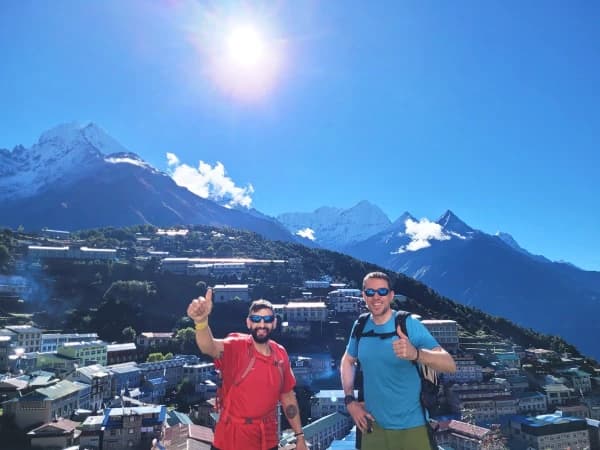
Today’s trail is a steady introduction to Sherpa country. You’ll cross several suspension bridges and walk through pine and rhododendron forests before the final, exhilarating climb to Namche Bazaar. As you gain the ridge the panorama opens for many this is their first true glimpse of the high Himalaya and the moment mountains feel powerfully near. Namche is the social heart of the Khumbu: bakeries, mountain gear shops and cafés where trekkers trade stories. Spend the night in a cosy teahouse and enjoy the lively market atmosphere.

Max Altitude: 3,440 m.| Meals: Breakfast, Lunch and DinnerAccommodation: Guest house or LodgeMode of Travel: WalkingDuration: 6 to 7 HoursDistance: 11 Kilometers

Namche is perfect for acclimatisation. After breakfast take a short hike to the Everest View Hotel, where panoramic vistas of Everest, Lhotse and Ama Dablam unfold like a living painting — an ideal spot for sunrise or a lazy cup of tea. In the afternoon visit the Sherpa Museum, browse local handicrafts, or stroll to nearby Khumjung for a glimpse of village life. Gentle activity and good rest today ensure your body adapts to the thin air.

Max Altitude: 3,880 m.|12,729 ft. back to 3,440 m. Meals: Breakfast, Lunch and DinnerAccommodation: Guest house or LodgeMode of Travel: WalkingDuration: 3 to 4 HoursDistance: 4.5 Kilometers

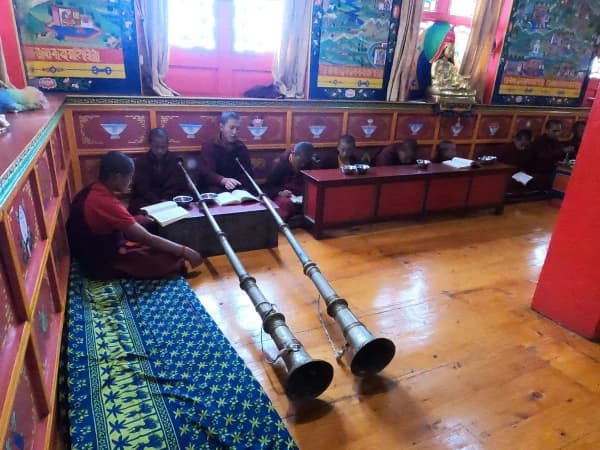
Leaving Namche the path follows a ridgeline framed with rhododendron and fir, then descends before climbing to the sacred hamlet of Tengboche. The monastery crowns a broad ridge with a commanding view of Ama Dablam and the high peaks beyond; its whitewashed walls, prayer flags and chortens give the site a reverent stillness. If your schedule allows, attend the evening prayer ceremony drums, chants and fluttering flags create a sort of Himalayan liturgy. Spend the night in a teahouse below the monastery, where the mountain air seems to carry the monks’ rhythm.

Max Altitude: 3,867 m.|12,687 ft. Meals: Breakfast, Lunch and DinnerAccommodation: Guest house or LodgeMode of Travel: WalkingDuration: 4 to 5 HoursDistance: 9.5 Kilometers

Today is for the monastery and for slow discovery. Attend a morning puja if you wish, wander the gompa courtyard and speak with caretakers about Tengboche’s history and its role in Sherpa spirituality. After a light lunch, take a short walk to viewpoints that frame Ama Dablam from different angles; the light here can sculpt the peak into countless moods. The afternoon is intentionally unhurried, tea with a local family, a quiet visit to mani walls, and time to listen to the wind move through prayer flags.

Max Altitude: 3,867 m.|12,687 ft. Meals: Breakfast, Lunch and DinnerAccommodation: Guest house or LodgeMode of Travel: WalkingDuration: 3 to 4 HoursDistance: 4 Kilometers

Today’s trail leads you through Deboche and down into greener valleys toward Khumjung, one of the Khumbu’s larger traditional villages. Along the way stop at small gompas and stone teahouses; the route offers intimate perspectives of daily Sherpa life terraced plots, yak herds and children playing. Khumjung’s monastery houses local relics and provides insight into the valley’s spiritual traditions. Spend the evening amid warm local hospitality and the gentle hum of mountain evenings.

Max Altitude: 3,790 m.|12,434 ft. Meals: Breakfast, Lunch and DinnerAccommodation: Guest house or LodgeMode of Travel: WalkingDuration: 3 to 4 HoursDistance: 8.5 Kilometers

After breakfast, explore Khumjung’s gompa and old stone houses, visit local classrooms or the small museum, and learn more about the region’s mountain culture. In the late morning, begin the easy walk back to Namche Bazaar, enjoying the valley’s changing light and the welcome familiarity of town life. The afternoon is yours – shop for local handicrafts, enjoy a hot shower, or relax in a café before descending toward Lukla.

Max Altitude: 3,440 m.|11,286 ft. Meals: Breakfast, Lunch and DinnerAccommodation: Guest house or LodgeMode of Travel: WalkingDuration: 3 to 4 HoursDistance: 5 Kilometers

Retrace the trail along the Dudh Koshi, crossing suspension bridges and passing the villages you first encountered. The walk down seems quicker but is no less beautiful; the light is softer and conversations more reflective. Arrive in Lukla in the late afternoon and relax over a farewell dinner with your trekking team, sharing stories from the trail.

Max Altitude: 2,840 m.|9,317 ft. Meals: Breakfast, Lunch and DinnerAccommodation: Guest house or LodgeMode of Travel: WalkingDuration: 7 to 8 HoursDistance: 18 Kilometers

Take a magnificent scenic flight from Lukla back to Kathmandu. If the skies are clear, you’ll be treated to breathtaking views of Nepal’s towering mountains before making the thrilling landing.

Once in Thamel, you can spend your time as you wish — explore the vibrant streets, relax in the comfort of your hotel, or shop for souvenirs. In the evening, enjoy a farewell dinner, celebrating your spiritual journey across the heart of the Himalayas. Overnight stay will be at a comfortable 3-star hotel in Thamel, allowing you to rest comfortably.

Max Altitude: 1,455 m.|4,773 ft. Meals: Breakfast and LunchAccommodation: Standard Hotel in ThamelMode of Travel: Flight and DriveDuration: 30 Minutes Flight

It is the end day of your Nepal tour vacation. An Iconic Himalaya representative will pick you up from the hotel and take you to Kathmandu International Airport for your home flight.

Safe travels, and Namaste!

Max Altitude: 1,455 m.|4,773 ft. Meals: BreakfastAccommodation: Check out in HotelMode of Travel: Drop to the AirportDuration: 20 to30 MinutesDistance: 6 Kilometers
Unable to locate what are you seeking?Download brochure or customize your trip.
Customize Trip
Cost Details
Includes
  • In-country airport pickups and drops in private vehicles.
  • Standard hotel accommodation in Kathmandu with breakfast.
  • Kathmandu sightseeing by private car with a guide.
  • Domestic flight (Kathmandu–Lukla–Kathmandu) with airport taxes.
  • Professional English-speaking, licensed local guide.
  • Experienced porters for luggage up to 25 kg per porter (1 porter per 2 trekkers).
  • Staff salary, insurance for staff, food and accommodation for crew.
  • All meals during the trek (Breakfast, Lunch, Dinner) in tea houses.
  • Lodging in tea houses along the trek.
  • Sagarmatha National Park and local permits.
  • Water purification (tablets or filters) for safe drinking water.
  • First aid kit carried by the guide.
  • Emergency rescue assistance coordination.
  • All  government local taxes/VAT, and office expenses
  • Sleeping bag, down jackets and a duffle bag- if necessary( return after trek).
  • Trip completion certificate and trek route map.
Excludes
  • Nepal entry visa fee (obtainable on arrival or online).
  • Travel insurance (compulsory; must cover high-altitude rescue & helicopter evacuation).
  • Meals in Kathmandu beyond those included during the trek and all beverages (hot drinks, bottled water, and alcohol).
  • Personal trekking equipment (unless rented), laundry, phone calls, and hot shower or Wi-Fi charges in teahouses.
  • International airfare to/from Nepal.
  • Excess baggage charges on domestic flights.
  • Extra nights in Kathmandu for early arrival, late departure, or emergency/voluntary itinerary changes.
  • Optional trips and sightseeing if extended.
  • Tips/gratuities for guides and porters.
  • Any service not listed under “Includes.”
Dates & Availability

We run fixed-departure and private group treks throughout the main seasons. Customize departure dates to fit your schedule — families, solo trekkers, and private groups are welcome. Reserve early for the autumn and spring seasons as spaces fill quickly.

Note:

  • The itinerary may change due to weather, flight cancellations, or health reasons. A buffer day is advised for flight delays to/from Lukla.
  • For trip confirmation, a deposit (typically 25% of the total) is required; balance due per operator policy.
Everest Tengboche Monastery Trek Equipments

Equipment and accessories are essential for comfort, safety, and success on high-altitude treks. Below is a detailed packing guide adapted for the Everest Tengboche Monastery Trek.

Bag & Packs

  • Main backpack: 40–65 L capacity (comfortable hip belt, ventilated back).
  • Daypack: 20–30 L for daily essentials and valuables (water, camera, layers).
  • Duffel bag: for the porter to carry the main luggage (provided by Iconic HImalaya if necessary)

Footwear

  • Sturdy, waterproof trekking boots with ankle support and crampon compatibility.
  • Comfortable camp shoes or sandals for evenings.
  • Spare trainers or sandals for village use.

Clothing

  • Warm down jacket (heavy) and lightweight insulated jacket for layering.
  • Fleece or mid-layers (2).
  • Waterproof, breathable shell jacket and pants.
  • Thermal base layers (top & bottom).
  • Quick-dry trekking shirts and long-sleeve layers.
  • Trekking pants and a spare pair.
  • Warm hat/beanie, sun hat, gloves (liner and insulated), warm socks (wool).
  • Gaiters (helpful for snow or mud).

Sleeping & Bedding

  • Sleeping bag rated to at least -10 °C (ideally -15 °C for comfort).
  • Lightweight liner (optional, but increases hygiene).

Gadgets & Accessories

  • Sunglasses (UV protected) and sunscreen (high SPF).
  • Headlamp with spare batteries.
  • Trekking poles (recommended).
  • Water bottles (2 × 1 L) and/or hydration bladder; water purification tablets.
  • Power bank and spare camera batteries (limited charging in tea houses).
  • Personal toilet kit, quick-dry towel, toilet paper.
  • Basic repair kit (needle/thread, duct tape), zip ties, and plastic bags for waterproofing.
  • Compass & map (guide will carry detailed maps).

Medical & First Aid

  • Personal prescription medicines and a small personal first aid kit.
  • Diamox (acetazolamide) if advised by your physician for acclimatization.
  • Pain relievers, antidiarrheal, rehydration salts, antiseptic wipes, blister plasters.

Women-Specific

For women trekkers, a few extra essentials can make the journey more comfortable and empowering. Carry trusted feminine hygiene products, moisturizer, and lip balm with SPF, along with wet wipes for long trekking days. A light shawl or scarf is useful for monastery visits or traditional households. Many teahouses are run by Sherpa women, creating a welcoming environment, and our guides ensure safety and comfort for female travelers. Trekking in the Himalaya as a woman is not just about the journey, but about discovering strength, independence, and community on the trail.

Prescription Medicine and First Aid

Carry regular prescriptions for the entire trip. Our guides carry an extended first aid kit; however, personal medicines for chronic conditions are the traveler’s responsibility.

Essential Information

Everest Tengboche Monastery Trek Difficulty

This is a moderatetrek. Daily walking varies from short half-days to longer 6–7 hour segments. The highest point is Tengboche (3,860 m), which requires sensible acclimatisation but is easily managed with rest days in Namche.

Altitude Sickness & Remedies

Altitude can affect anyone. Our itinerary includes acclimatisation days and gradual profiles. Guides carry pulse oximeters and first-aid kits; descent is the only cure for serious AMS, and evacuation plans are in place. Travel insurance covering helicopter evacuation is advised.

Preventive measures:

  • Hydrate liberally (3–4 L/day).
  • Climb slowly and obey rest/acclimatisation days.
  • Inform the guide immediately of symptoms.
  • Medical option: Diamox (acetazolamide) under a doctor’s advice.
  • Descend promptly if symptoms worsen (HAPE/HACE are medical emergencies).

Travel Insurance

Comprehensive travel insurance that covers emergency helicopter evacuation and high-altitude rescue is mandatory. Confirm policies cover altitudes up to 6,000 m and include trip cancellation for weather or medical emergencies.

Training for the Trek

Prepare with cardiovascular training (walking, hiking with a weighted pack, stair climbing) for 6–8 weeks prior. Include multi-hour hikes with elevation gain to build endurance. Strength training for legs and core helps with long descents. The fitter you are, the more you’ll enjoy each day’s scenery.

Best Time & Weather Notes

Ideal seasons arespring (March–May) and autumn (Sept–Nov) with clear skies, stable weather and, in spring, the rhododendrons in bloom. Monsoon may bring clouds and slippery trails, whilst winter is cold and may block paths with snow.

Food & Accommodation

 Teahouses provide basic but hearty meals: dal bhat, soups, noodles, potatoes, eggs and simple desserts. You can expect twin rooms with shared or basic private bathrooms, and hot showers are usually limited and often charged extra. We recommend that you carry electrolyte powders and snacks on high days.

Nutshell:

  • Max Altitude: 3,860 m (Tengboche Monastery) & 5,545 m (Kala Patthar)
  • Duration: 12 days Kathmandu–Kathmandu
  • Terrain: Forest trails, alpine meadows, moraines
  • Daily walking: 4–6 hours
  • Accommodation: Tea houses and mountain lodges; hotels in Kathmandu.
  • Food: Local Nepali, Tibetan and continental options available.
  • Permits: Sagarmatha National Park Permit; local municipality permit.
  • Emergency: Helicopter evacuation available (cost borne by your insurance).
Everest Tengboche Monastery Trek FAQs

Yes, most teahouses have solar or hydroelectric power and offer charging facilities for a small fee (typically NPR 200–400 per device). Wi-Fi is available in larger villages like Namche and Tengboche, though the signal may be slow or intermittent. We recommend carrying a power bank for convenience.

Essential items include:

  • Trekking boots (broken-in) and moisture-wicking socks
  • Warm layers (fleece, down jacket) and a windproof outer shell
  • Trekking poles
  • Sleeping bag (rated for -10°C to -15°C)
  • Sun hat, gloves, and sunglasses
  • Reusable water bottle with purification tablets or filter
  • Small first aid kit and personal medication.

Iconic Himalaya will provide a detailed packing checklist upon booking.

Lukla’s small airstrip is subject to weather-related delays. If flights are cancelled or postponed, Iconic Himalaya will assist with rebooking and accommodation arrangements at no additional cost for the waiting period. In rare cases, helicopter options can be arranged at the client’s request and expense.

Yes, comprehensive travel insurance that covers high-altitude trekking (up to 4,000m) and emergency helicopter evacuation is mandatory for all trekkers. Please verify that your policy explicitly covers these before arrival in Nepal.

Absolutely. The Tengboche route connects easily with other trails — such as Everest View Point, Khumjung, or even extended journeys toward Gokyo Valley or Everest Base Camp. Our team can tailor the duration, comfort level, and pace to suit your time, interest, and fitness.

Tengboche Monastery is one of the most sacred and significant monasteries in the Khumbu region. It is the spiritual center of the Sherpa community and a key site for the famous Mani Rimdu Festival, a colorful celebration of Buddhist rituals, masked dances, and blessings. The monastery sits atop a hill offering panoramic views of Ama Dablam, Everest, Nuptse, Lhotse, and Thamserku, making it both a cultural and scenic highlight of the trek.

Yes. Visitors are welcome to enter the monastery and quietly observe the monks during prayer sessions, as long as they are respectful and follow the monastery’s guidelines. Photography inside the main prayer hall is usually not permitted, but you can take photos around the courtyard and outside areas. If you’re lucky, you might witness the monks chanting or performing daily rituals.

The last reliable ATMs are located in Namche Bazaar, where you can also find limited money exchange services. Beyond Namche, cash is the only accepted form of payment. We recommend carrying enough Nepali rupees to cover meals, snacks, water, Wi-Fi, charging, and small tips for the remaining days of the trek.

This trek passes through the Sagarmatha National Park, a UNESCO World Heritage Site known for its rich biodiversity. You may spot Himalayan Tahr (mountain goats), musk deer, pheasants, and if you’re lucky the elusive snow leopard or red panda. Forests along the lower section are filled with pine, birch, juniper, and rhododendron, making spring an especially vibrant time to trek.

The Mani Rimdu Festival is a major Buddhist celebration held at Tengboche Monastery, typically in October or November, following the full moon of the ninth Tibetan lunar month. It lasts for several days, featuring prayers, blessings, traditional dances, and symbolic performances by the monks. Many trekkers plan their journey to coincide with the festival to experience Sherpa culture and spirituality at its liveliest.

Speak to an Expert+977 9851130654

Share your queries and contact details with us on WhatsApp, and we’ll reach out to tailor a package that meets your needs.

Need Help? Call Us+977 9851130654