Khayer Lake Khopra Dada Trek

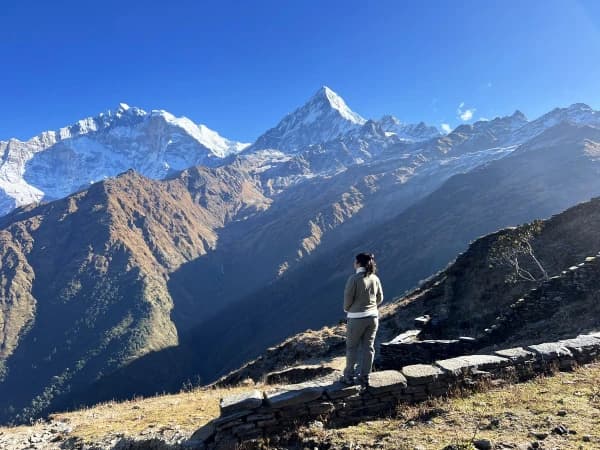
The Khayer Lake (Khopra Danda) Trek is one of the Annapurna region’s best-kept secrets, a trail that weaves together quiet wilderness, timeless Himalayan villages, and awe-inspiring ridge walks overlooking two of Nepal’s greatest mountains: Dhaulagiri and Annapurna. Unlike the more frequented paths of the Annapurna Base Camp or Ghorepani, Khopra Danda offers solitude and a raw, unfiltered connection with the Himalayas.

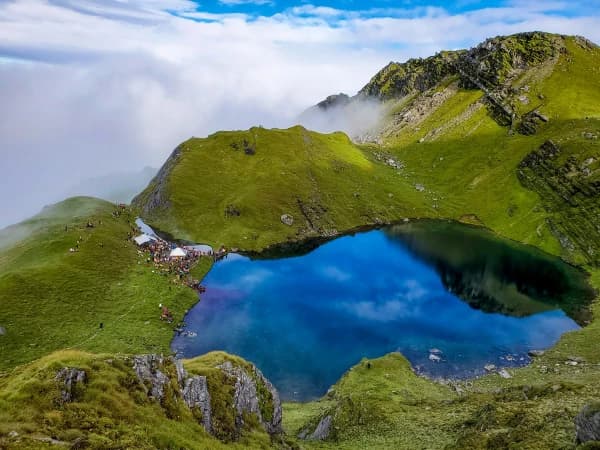
Stretching through terraced hillsides, deep forests of rhododendron and oak, and onto wide grassy ridges that seem to float between the peaks, the journey feels both peaceful and powerful. Each village from Ghandruk’s stone houses to the yak pastures of Chistibung offers a glimpse into the rural rhythms of life in the mountains. At the heart of the trek lies Khayer Lake (4,660 m), a sacred alpine lake shimmering beneath the icy crown of Annapurna South. To reach it is to walk not just into higher altitudes, but into local legend: villagers believe bathing in the lake cleanses one’s spirit and brings blessings from the mountain gods.

This trek is perfect for those who seek a quieter, more meditative journey, one that rewards with grand panoramas, personal reflection, and genuine human connection. The Khayer Lake Trek is an unforgettable chapter in Nepal’s great mountain story.

Highlights

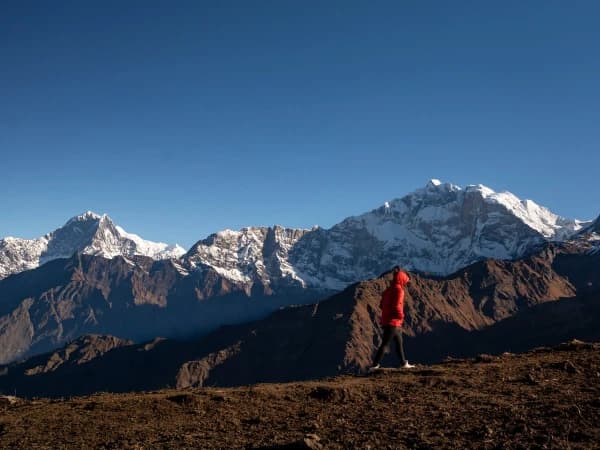
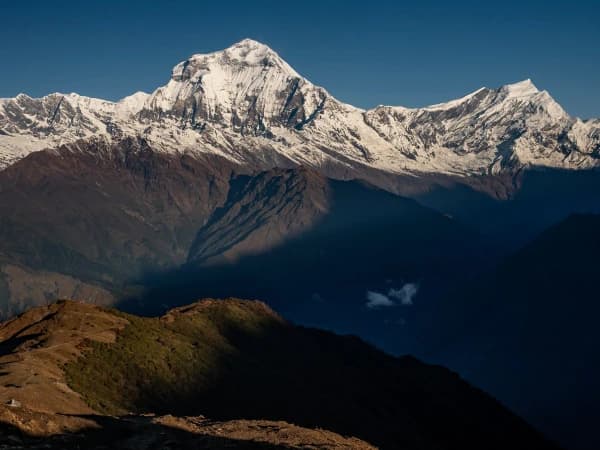
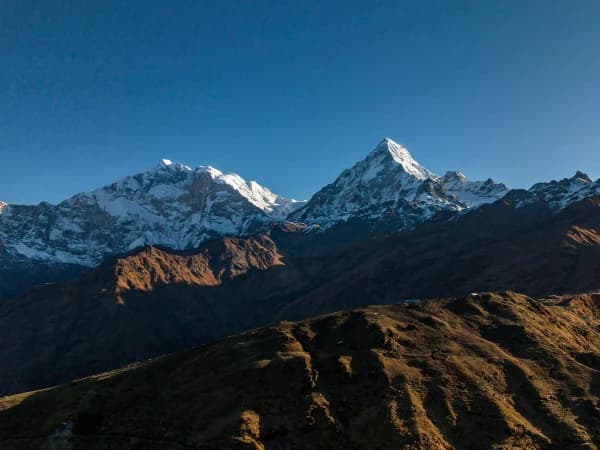
  • Panoramic ridge views of Dhaulagiri, Annapurna I, Annapurna South, Hiunchuli, Nilgiri, and Machhapuchhre.
  • Khayer Lake (4,660 m) — a sacred and serene alpine lake tucked beneath Annapurna South.
  • Authentic Gurung and Magar hospitality in villages untouched by heavy tourism.
  • Rhododendron forests in full bloom (March–May) painting the hills in reds and pinks.
  • Rich biodiversity — langurs, Himalayan monals, and wildflowers along the trail.
  • Cultural intimacy — shared kitchens, local yak cheese, and mountain life stories.
  • Peaceful trails with fewer trekkers, yet equally breathtaking scenery.
  • Optional sunrise detour to Poon Hill for the classic Annapurna panorama.

What Can I Expect from the Khayer Lake (Khopra Danda) Trek?

The trail offers everything trekkers love about Nepal, suspension bridges, forest paths, stone stairways, open ridgelines but without the rush or crowd of busier routes. Expect days that unfold gently where mornings begin with warm tea and mountain light spilling across the valleys, and evenings that end around a fire, sharing stories with locals under a sky so clear it feels infinite.

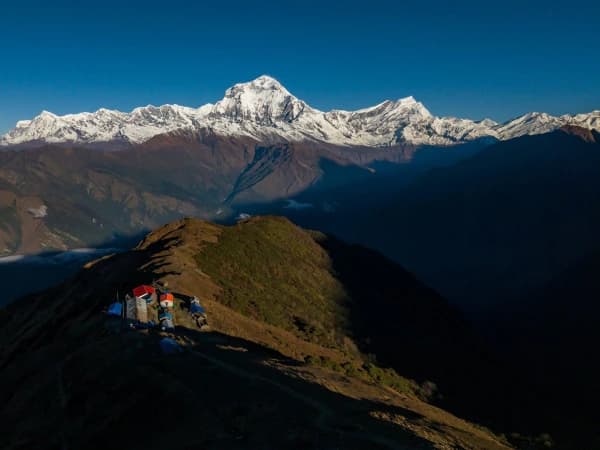
The trek blends gradual ascents with steady ridge walks, making each day varied and rewarding. From the terraced farmlands of Ghandruk, where the Annapurnas loom like silent guardians, you’ll climb into forests scented with wildflowers and moss. Higher up, the trees thin, replaced by open yak pastures and crisp alpine air. The climb to Khopra Ridge (3,660 m) is a highlight.  A long, quiet rise to one of the best viewpoints in the entire region.

Major Attractions of the Khayer Lake (Khopra Danda) Trek

Your adventure begins in Pokhara, the tranquil lakeside city that acts as the gateway to the Annapurna region. From here, a short drive leads to Ghandruk, a traditional Gurung village filled with stone-paved lanes, slate-roofed houses, and cascading terraces. The village’s old museum and warm-hearted locals provide a glimpse into traditional Himalayan life.

As you ascend toward Tadapani and Dobato, the scenery transforms, lush rhododendron forests give way to open pastures, and the air becomes sharper. The Muldai Viewpoint, near Dobato, rewards trekkers with an extraordinary sunrise, the kind of morning where the entire Annapurna and Dhaulagiri range glows gold and pink as the sun rises.

The trail then leads to Khopra Danda, a high ridge where you can see both the Kali Gandaki Valley which is the world’s deepest gorge and the towering white spires of the Himalayas. It feels like walking the spine of the mountains themselves. From here, the trek’s spiritual heart awaits, the Khayer Lake, a sacred glacial pool said to be blessed by Lord Shiva. Each summer, pilgrims gather here to pray and bathe, believing the icy waters wash away sins.

On the way back, you descend through Swanta, a charming Magar village where time seems to move slower. You can visit a small local cheese factory or simply rest among the stone houses and fields. Finally, your return to Pokhara feels like a soft landing and a chance to unwind, eat well, and celebrate your journey beneath the gaze of Machhapuchhre.

Who Can Do the Khayer Lake (Khopra Danda) Trek?

This trek is ideal for anyone with a moderate level of fitness and an adventurous spirit. It doesn’t require mountaineering experience, but stamina for long days (5–7 hours of walking) will help you enjoy the route comfortably. It’s a great choice for those who’ve already done shorter treks like Poon Hill or Langtang and want something quieter but equally scenic.

Iconic Himalaya welcomes solo trekkers, couples, groups or families with older children looking for a blend of nature and culture. With fewer crowds and family-run teahouses, it feels intimate and authentic.
Cost Details
Includes
  • Airport pickup and drop-off service in Kathmandu
  • 3 nights accommodation in Kathmandu with breakfast
  • 2 nights accommodation in Pokhara with breakfast
  • All ground transportation as per the itinerary (tourist bus, private vehicle, or domestic flight where applicable)
  • Full board meals (breakfast, lunch, dinner) during the trek
  • Accommodation in comfortable mountain lodges and teahouses throughout the trek
  • Professional, government-licensed English-speaking guide and experienced porters (1 porter per 2 trekkers; up to 25 kg per porter).
  • Porter to carry luggage (one porter for every two trekkers, max 25 kg combined)
  • All necessary permits: Annapurna Conservation Area Permit (ACAP) and TIMS card; local permits where required
  • First aid kit carried by the guide; pulse oximeter for monitoring
  • All government taxes and official service charges
  • A comprehensive briefing prior to departure
  • Duffel bag for trekking (to be returned after the trek)
  • Emmergency assistance coordination
  • Trek completion certificate
Excludes
  • International airfare to and from Kathmandu
  • Nepal entry visa fee (obtainable on arrival or online).
  • Travel insurance (compulsory; must cover emergency evacuation and high-altitude rescue).
  • Meals in Kathmandu and Pokhara beyond those included
  • All beverages (hot drinks in town, soft drinks, bottled water, alcohol)
  • Personal trekking equipment (unless rented), laundry, phone calls, hot showers or Wi-Fi charges in teahouses.
  • Excess baggage charges on domestic flights.
  • Extra nights in Kathmandu or Pokhara for early arrival, late departure, or emergency/voluntary itinerary changes
  • Tips/gratuities for guides and porters (customary and highly appreciated)
  • Optional trips and sightseeing if extended
  • Any additional costs incurred due to delays, natural disasters, or unforeseen circumstances
  • Any other services that are not listed in the price “included section” of this package
Dates & Availability

The Khayer Lake (Khopra Danda) Trek runs year-round. The spring season (March–May) brings brilliant rhododendron blooms, warm days, and crystal-clear skies. Autumn (September–November) is the best time for stable weather and bright mountain views. Winter (December–February) offers solitude and crisp air, though temperatures can drop below freezing at higher altitudes. Monsoon (June–August) turns the landscape lush and green, but trails can be muddy and leeches active.

We operate guaranteed departures every week during spring and autumn, and offer private and customizable trips throughout the year for individuals, families, and small groups.

Note: Itineraries may change due to weather, trail or health reasons. A buffer day in Pokhara is recommended for weather delays. A deposit (typically 25%) confirms booking; balance per operator policy.

Khayer Lake Khopra Dada Trek Equipments

Equipment and accessories are essential for comfort, safety, and an enjoyable experience on the Khayer Lake Khorpa DadaTrek. Although this trek is relatively short and lower in altitude, good preparation ensures a smoother, more comfortable journey. Below is a detailed packing guide adapted specifically for this region.

Equipment and Accessories Packing List

Bag & Packs

  • Main backpack: 40–55 L capacity (comfortable hip belt, ventilated back).
  • Daypack: 20–25 L for daily essentials (water, camera, warm layers, snacks).
  • Duffel bag: for porter to carry the main luggage.

Footwear

  • Lightweight, waterproof trekking boots with ankle support.
  • Comfortable camp shoes or sandals for evenings.
  • Trekking socks (2–3 pairs, moisture-wicking).

Clothing

  • Lightweight down or insulated jacket for early mornings and evenings.
  • Fleece or mid-layers (1–2).
  • Waterproof, breathable shell jacket.
  • Thermal base layers (top & bottom) during colder months.
  • Quick-dry trekking shirts and long-sleeve tops.
  • Trekking pants and a spare pair of lightweight trousers.
  • Warm hat/beanie, sun hat, and gloves (light and insulated pair).
  • Buff or scarf for dust and wind protection.
  • Sleeping & Bedding
  • Sleeping bag rated to 0°C to -5°C (can be rented if needed).
  • Lightweight liner for added hygiene and warmth.

Gadgets & Accessories

  • Sunglasses (UV protected) and sunscreen (SPF 30+).
  • Headlamp with spare batteries.
  • Trekking poles (recommended for steep descents).
  • Reusable water bottles (2 × 1 L) or hydration bladder.
  • Water purification tablets or filter.
  • Power bank and charger (limited charging options in lodges).
  • Personal toiletries, quick-dry towel, and toilet paper.
  • Small repair kit (needle/thread, duct tape) and plastic bags for waterproofing.

Medical & First Aid

  • Personal prescription medicines.
  • Small personal first aid kit (pain relievers, blister plasters, antiseptic wipes, etc.).
  • Antidiarrheal and oral rehydration salts.
  • Sunscreen lip balm (SPF 15+).

Women-Specific

For women trekkers, carry trusted feminine hygiene products, wet wipes, and moisturizer for comfort during the trek. A light scarf or shawl is also useful when visiting monasteries or traditional homes. The Ghorepani Poon Hill Trek passes through friendly Gurung and Magar villages where many lodges are family-run and women-led, creating a warm, safe environment. Trekking in this region is as much about cultural connection as it is about the trail itself. It is empowering, inspiring, and deeply welcoming.

Prescription Medicine and First Aid

Carry all regular prescriptions for the entire trip. Our guides are equipped with a group first aid kit, but trekkers are responsible for their personal medications or chronic condition treatments.

Essential Information

Khayer Lake (Khopra Danda) Trek Difficulty

The Khayer Lake (Khopra Danda) Trek is a moderate trek, ideal for those seeking a peaceful alternative to the crowded Annapurna routes. The journey involves 5–7 hours of daily walking through forested hills, terraced farmlands, and high ridges. The most challenging section is the hike to Khayer Lake (4,660m), which is longer and more demanding due to elevation gain, but it’s a day excursion from Khopra Ridge with no technical climbing involved.
With a gradual itinerary and proper acclimatization, this trek is suitable for fit beginners and experienced trekkers alike. A good fitness level, determination, and steady pacing are enough to enjoy this rewarding off-the-beaten-path adventure.

Altitude Sickness & Remedies

The highest point on this trek is Khayer Lake at 4,660m, where altitude symptoms may occur. The itinerary includes slow ascents and rest days to help your body adjust naturally.
Mild signs of altitude sickness—like shortness of breath or fatigue—can be managed with hydration and rest. Guides are trained to monitor trekkers and provide necessary assistance.

  • Hydrate well (2–3 L/day).
  • Walk slowly, rest frequently.
  • Eat properly and avoid alcohol or sleeping pills.
  • Inform your guide immediately if you feel discomfort.

Travel Insurance

Travel insurance is mandatory for the Khayer Lake Trek. It should cover trekking up to 5,000m, including medical evacuation, emergency rescue, and trip interruption. Double-check that your provider includes coverage for high-altitude trekking in Nepal, as helicopter evacuations can be costly if required.

Training for the Trek

Although this is a moderate trek, preparation helps make the journey more enjoyable.
Start training 6–8 weeks before departure with light cardio (walking, cycling, or stair climbing) and leg/core strengthening exercises (squats, lunges, planks). Weekend hikes or short treks at lower altitudes are also beneficial for building stamina and getting used to carrying a daypack. With consistent training, you’ll find the climbs to Khopra Ridge and Khayer Lake much more comfortable.

Best Time & Weather

The Khayer Lake (Khopra Danda) Trek is accessible throughout the year, but the best seasons are spring (March–May) and autumn (September–November). In spring, rhododendrons bloom in vivid colors across the hillsides, and temperatures are mild with clear mountain views. Autumn offers the most stable weather, crisp air, and panoramic views of Dhaulagiri, Annapurna South, and Nilgiri. During winter (December–February), the air is cold but crystal clear, ideal for those seeking solitude. Snow may cover the upper trails, making it more challenging but incredibly scenic. Monsoon (June–August) brings lush green landscapes and quieter trails, but rain showers and slippery paths are common. For most trekkers, March–May and October–November provide the most pleasant conditions for both weather and visibility.

Food & Accommodation on the Trek

Accommodation along the Khopra Danda Trek is in local teahouses, simple but welcoming mountain lodges run by local families. Rooms are basic with twin beds, clean bedding, and shared bathrooms. At Khopra Ridge, the lodges are more rustic but offer stunning panoramic views right from your doorstep. Meals are freshly cooked and nourishing, featuring Nepali dal bhat, noodles, soups, momos, pancakes, and hot tea or coffee. Vegetarian and vegan meals are widely available.
In Pokhara, you’ll stay at a comfortable hotel with breakfast included, and the lakeside area provides plenty of cozy cafés and restaurants to relax before or after your trek.

Nutshell

  • Max Altitude: 4,660 m (Khayer Lake)
  • Duration: 11–12 Days (Kathmandu–Kathmandu)
  • Trekking Duration: 8–9 Days on trail (Pokhara–Pokhara)
  • Terrain: Forest trails, stone staircases, high ridges, alpine meadows
  • Average Daily Walking: 4–7 hours
  • Accommodation: Teahouses during trek; hotels in Pokhara & Kathmandu
  • Food: Nepali, Gurung, Magar and continental options
  • Permits: ACAP, TIMS Card
  • Emergency: Helicopter evacuation available (covered by travel insurance)
  •  Trek Grade: Moderate
  • Fitness Level: Suitable for fit beginners and experienced trekkers seeking a quieter route
  • Highlights: Khayer Lake, Khopra Danda ridge, Dhaulagiri–Annapurna panoramas, Gurung & Magar villages
Khayer Lake Khopra Dada Trek FAQs

The Khayer Lake Trek is an off-the-beaten-path route, offering solitude and panoramic mountain views away from the crowded trails of Ghorepani or Annapurna Base Camp. Unlike busier routes, it combines cultural immersion in Magar and Gurung villages, pristine rhododendron forests, and high-altitude ridges. The trek culminates at Khayer Lake, a tranquil alpine lake at 4,660m, which is less visited but incredibly scenic. This trek is ideal for trekkers seeking quiet landscapes and authentic village experiences.

The highest point is Khayer Lake at 4,660m, where mild to moderate altitude sickness may occur for some trekkers. The itinerary is designed with gradual ascents and acclimatization stops, such as at Khopra Ridge (3,660m). Staying hydrated, pacing yourself, and resting as needed will reduce the risk. Guides monitor all trekkers for signs of discomfort, and emergency evacuation plans are in place.

Yes, with reasonable fitness, beginners can enjoy this trek, though it is slightly more demanding than Ghorepani Poon Hill due to longer ascents and higher altitude. Daily hikes range from 5–7 hours, with breaks and gentle pacing. Families with older children (8+ years) often find it rewarding due to scenic viewpoints, wildlife, and cultural experiences.

This trek is much less crowded than popular Annapurna routes. You can enjoy tranquil forests, ridge walks, and serene alpine lakes without encountering large groups of trekkers. Peak months (March–May and September–November) are busier than off-season, but even then, the trail maintains its peaceful atmosphere, especially beyond Khopra Ridge.

Accommodation is in family-run teahouses and lodges, simple but clean, with twin beds, blankets, and shared bathrooms. Meals are freshly prepared, hearty, and predominantly Nepali: dal bhat, noodles, soups, pancakes, omelets, tea, or coffee. Vegetarian and vegan options are available. At Khopra Ridge, lodges offer panoramic views of Annapurna South, Machhapuchhre, and Dhaulagiri while you dine or relax.

Yes, the Khayer Lake Trek can be combined with the Annapurna Base Camp or Ghorepani Poon Hill Trek for a longer itinerary. Some trekkers also spend extra nights at Khopra Ridge or Khayer Lake to explore surrounding ridges, alpine lakes, and isolated villages. Extensions allow for slower pacing, additional photography opportunities, and deeper cultural experiences.

The trek typically begins from Ghandruk or Landruk, a 1.5–2 hour drive from Pokhara. From Kathmandu, you can either fly to Pokhara (25 minutes) or take a scenic 6–7 hour drive along the Prithvi Highway. Private transfers, tourist buses, or jeep rides are available depending on comfort preferences. The journey itself offers scenic glimpses of river valleys, terraced hills, and small mountain settlements.

Most teahouses provide solar-powered electricity, with nominal fees for charging devices. Carrying a power bank is recommended. Mobile networks (Ncell, Nepal Telecom) are functional in villages and at Khopra Ridge, but signal may be weak at Khayer Lake itself. Guides carry local SIMs for emergency communication.

Guides are trained in first aid, emergency response, and altitude sickness protocols. Well-established villages along the trail provide local medical facilities. In case of serious emergencies, evacuation via helicopter or vehicle to Pokhara is possible. Trekkers are strongly advised to carry travel insurance covering trekking, medical emergencies, and evacuation up to 5,000m.

Support local businesses by staying in community-run teahouses and buying handicrafts directly from artisans. Avoid single-use plastics, refill water bottles using purification tablets, and respect local customs and sacred sites. Dress modestly in villages, ask permission before photography, and engage with locals respectfully. Responsible trekking ensures the preservation of Nepal’s natural and cultural heritage while directly benefiting communities along the way.

Speak to an Expert+977 9851130654

Share your queries and contact details on WhatsApp, and we’ll reach out to tailor a package that meets your needs.

Need Help? Call Us+977 9851130654