Jiri to Everest Base Camp Trek

Duration
21 Days
Trip Grade
Strenuous
Country
Nepal
Maximum Altitude
5,545 m.| 18,192 ft.
Group Size
2 to 20 People
Starts/Ends
Kathmandu - Lukla
Communication
Phone and WiFi
Activities
Trekking
Best Time
Autumn and Spring

Trekking to Everest from Jiri is something few people do today. Yet before the Lukla airport opened, this was the standard route — and to walk it now is to walk through history. This legendary journey follows the footsteps of the pioneers who first ventured into the Khumbu Region, tracing the original path taken by Sir Edmund Hillary, Tenzing Norgay, and their teams on their way to the top of the world.

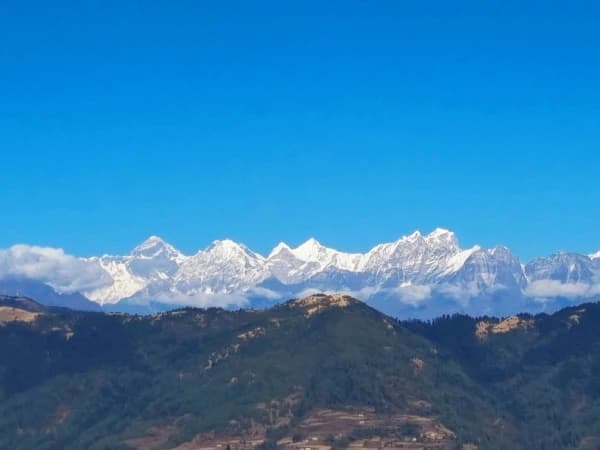
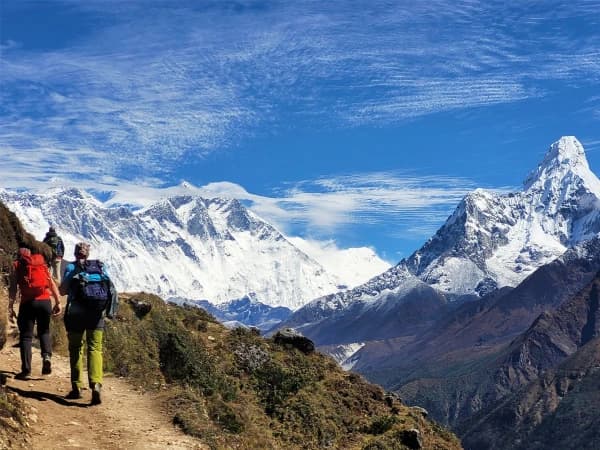
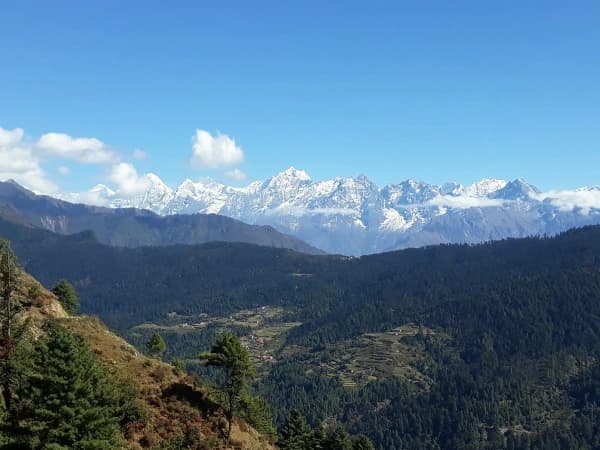
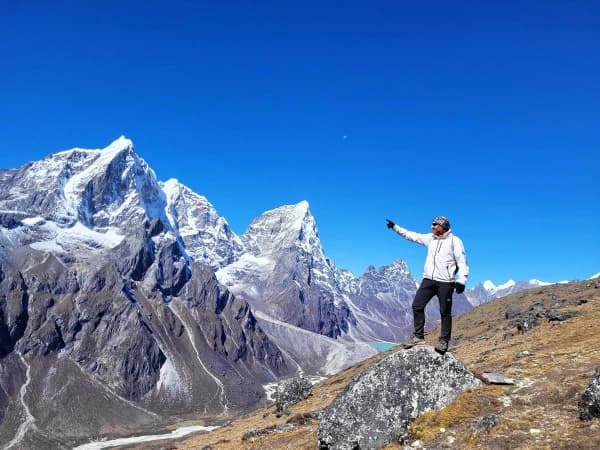
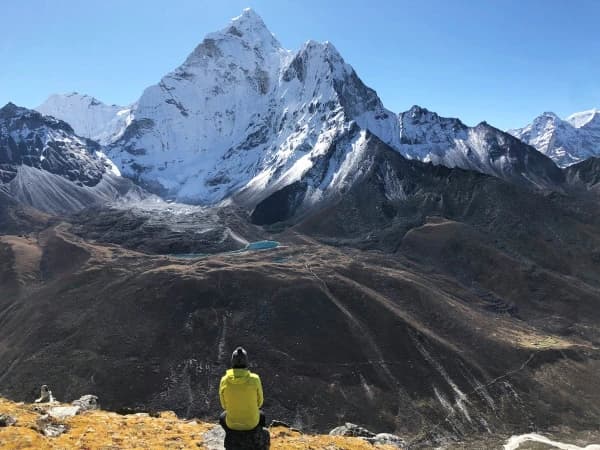
Over 21 days, trekkers traverse diverse landscapes from lush mid-hill forests, terraced villages, and glacial rivers to the rugged high-altitude passes and the mighty Khumbu Glacier. Along the way, you’ll witness some of the most breathtaking Himalayan panoramas, including Everest, Lhotse, Nuptse, Ama Dablam, and countless other towering peaks.

The trek to Everest Base Camop through Jiri is a passage through the heart of the Everest region – beginning from the mid-hill Solu regions, towards Khumbu, the home of Everest. Small settlements, colorful monasteries, fluttering prayer flags, and the warmth of the local people make every stop memorable. The trail passes through Sagarmatha National Park, a UNESCO World Heritage Site, home to wildlife like the Himalayan Tahr, musk deer, and even the rare red panda. Each day on this route brings new surprises, from flowering rhododendrons in spring to crisp glacial landscapes at higher altitudes.

For adventure seekers, culture lovers, and history enthusiasts alike, the Jiri to Everest Base Camp Trek is more than a journey, it is a pilgrimage through time and nature, an unforgettable story that stays with you long after the last step.

Jiri to Everest Base Camp Trek Highlights

  • Walk the historic original route to Everest before Lukla airport existed.
  • Experience the charm of Nepal’s mid-hill villages and terraced landscapes.
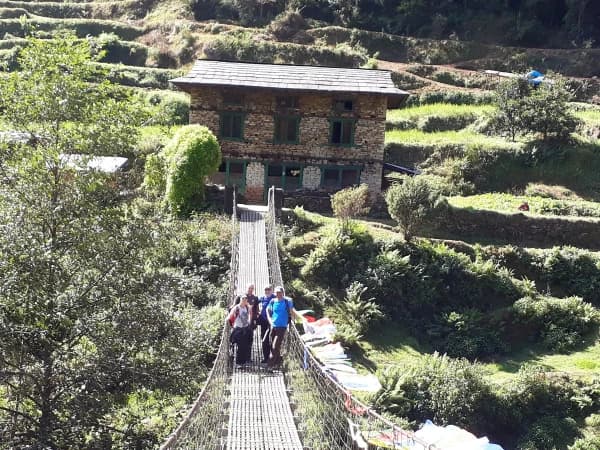
  • Cross rivers and suspension bridges lined with colorful prayer flags.
  • Explore Sherpa culture in Namche Bazaar, Kunde, and Tengboche.
  • View majestic Himalayan peaks including Everest, Lhotse, Nuptse, Ama Dablam, and Thamserku.
  • Pass through Sagarmatha National Park, a UNESCO World Heritage Site.
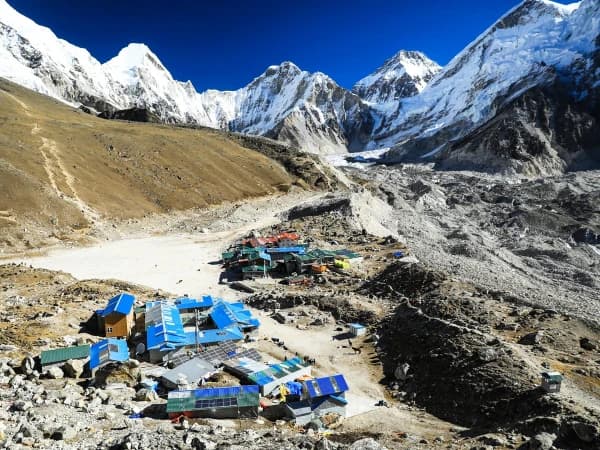
  • Witness the Khumbu Glacier and the Everest Base Camp in its raw, untouched beauty.
  • Acclimatise naturally along the trail with gradual elevation gain.
  • Visit monasteries, local schools, and meet friendly Sherpa families.
  • Enjoy quiet trekking days away from crowds, with pristine natural scenery.


Jiri to Everest Base Camp Trek Itinerary
Kathmandu - LuklaExpand all

Upon arrival at Tribhuvan International Airport, a team member from Iconic Himalaya will welcome you with a signboard and transfer you to your hotel. After settling in, you will meet your trekking leader and team for a briefing on the journey ahead. The evening ends with a welcome dinner and an opportunity to mingle with fellow trekkers.

Max Altitude: 1,455 m.|4,773 ft. Accommodation: Standard hotel check in at ThamelMode of Travel: Pick up from the AirportDuration: 20 to 30 MinutesDistance: 6 Kilometers

Spend the day exploring Kathmandu’s timeless cultural treasures. Visit Swayambhunath (the Monkey Temple), Boudhanath Stupa, Pashupatinath Temple, and Kathmandu Durbar Square. Absorb the spiritual aura of ancient architecture and bustling streets. In the afternoon, prepare your trekking gear and supplies, ensuring everything is ready for the first steps toward the Himalayas.

Max Altitude: 1,455 m.|4,773 ft. Meals: BreakfastAccommodation: Standard hotel in ThamelMode of Travel: Car/Van/Jeep with tour GuideDuration: 6 to 7 Hours

The journey into the Himalayas begins with a scenic drive from Kathmandu to Bhandara (approx. 2,190m). The road winds through rolling hills, river valleys, terraced farmlands, and traditional villages, offering a window into rural Nepali life. As the city fades behind, the landscape becomes quieter and greener. Overnight in a local teahouse, enjoying your first night in the Himalayan foothills.

Max Altitude: 2,190 m.|7,185 ft. Meals: Breakfast, Lunch and DinnerAccommodation: Guest house or LodgeMode of Travel: Local Bus or Privet Car/Van/JeepDuration: 8 to 9 HoursDistance: 214 Kilometers

Your trek officially begins today. The trail ascends gradually through lush forests, terraced fields, and bamboo groves, crossing small streams and shaded paths lined with rhododendrons. The pace is steady, allowing your body to adapt naturally. Sete is a peaceful village perched above a deep river gorge, offering cool mountain air and early glimpses of distant Himalayan peaks.

Max Altitude: 2.800 m.|9,186 ft. Meals: Breakfast, Lunch and DinnerAccommodation: Guest house or LodgeMode of Travel: WalkingDuration: 6 to 7 HoursDistance: 17.5 Kilometers

The trail climbs through dense pine and rhododendron forests, leading into the culturally rich Solu region. Crossing ridgelines and forested paths, you descend into Junbesi, one of the most important Sherpa villages in the area. Home to a historic monastery and Nepal’s oldest nunnery, Junbesi offers a serene atmosphere, traditional stone houses, and views of Kusum Kanguru.

Max Altitude: 2,720 m.|8,924 ft. Meals: Breakfast, Lunch and DinnerAccommodation: Guest house or LodgeMode of Travel: WalkingDuration: 6 to 7 HoursDistance: 15 Kilometers

Leaving Junbesi, the trail descends through forested slopes and river valleys, passing mani walls, prayer flags, and small settlements. The path offers a mix of gentle climbs and descents, with changing scenery throughout the day. Nunthala lies in a green valley and provides an ideal place to rest, acclimatize gradually, and experience the slower pace of village life.

Max Altitude: 2,330 m.|7,644 ft Meals: Breakfast, Lunch and DinnerAccommodation: Guest house or LodgeMode of Travel: WalkingDuration: 6 to 7 HoursDistance: 18 Kilometers

Today’s route involves a more challenging climb, crossing suspension bridges and ascending forested ridges. As you gain elevation, the landscape begins to shift, signaling your approach to the Khumbu region. Bupsa is a traditional Sherpa settlement where you are welcomed with warm hospitality and the growing sense that Everest is drawing closer.

Max Altitude: 2,365 m.|7,759 ft. Meals: Breakfast, Lunch and DinnerAccommodation: Guest house or LodgeMode of Travel: WalkingDuration: 5 to 6 HoursDistance: 14 Kilometers

The trail descends through forest paths toward the Dudh Koshi Valley, gradually merging with the main Everest trekking routes. Passing small villages and farmlands, you arrive at Surke located near Lukla. The presence of trekkers, lodges, and airstrips adds new energy as you enter the heart of the Everest region.

Max Altitude: 2,290 m.|7,513 ft. Meals: Breakfast, Lunch and DinnerAccommodation: Guest house or LodgeMode of Travel: WalkingDuration: 6 to 7 HoursDistance: 17 Kilometers

Following the Dudh Koshi River, today’s walk includes crossing iconic suspension bridges draped with prayer flags. Waterfalls, mani stones, and monasteries line the trail. Phakding  is a charming riverside village where the sound of rushing water accompanies a restful evening.

Max Altitude: 2,640 m.|8,661 ft. Meals: Breakfast, Lunch and DinnerAccommodation: Guest House or LodgeMode of Travel: WalkingDuration: 4 to 5 HoursDistance: 10 Kilometers

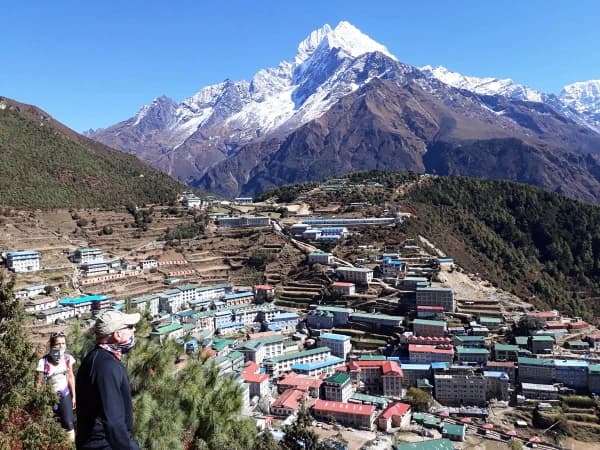
A challenging but rewarding day as you climb towards Namche. After entering Sagarmatha National Park, the trail ascends steeply through pine forests. On clear days, your first glimpse of Mount Everest appears just before reaching Namche. The town is a vibrant hub with bakeries, cafes, shops, and spectacular mountain views.

Max Altitude: 3,440 m.|11,286 ft. Meals: Breakfast, Lunch and DinnerAccommodation: Guest house or LodgeMode of Travel: WalkingDuration: 6 to 7 HoursDistance: 11 Kilometers

A crucial acclimatisation day to help your body adjust to altitude. You hike to the Everest View Hotel, enjoying panoramic views of Everest, Lhotse, Ama Dablam, and Nuptse. The afternoon is spent exploring Namche’s markets, monasteries, and museums, learning about Sherpa culture and Himalayan mountaineering history.

Max Altitude: 3,880 m.|12,729 ft. back to 3,440 m. Meals: Breakfast, Lunch and DinnerAccommodation: Guest house or LodgeMode of Travel: WalkingDuration: 3 to 4 HoursDistance: 4.5 Kilometers

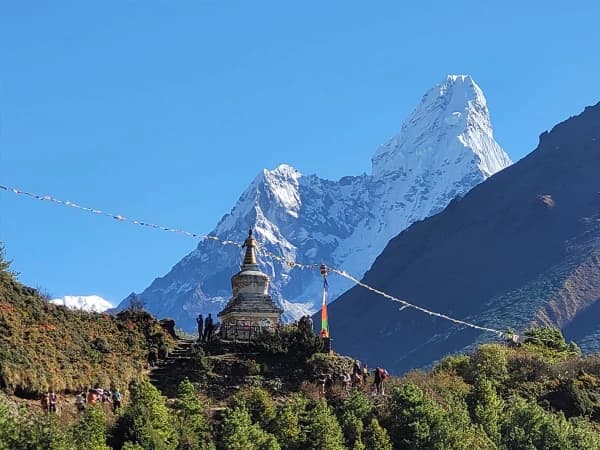
The trail follows scenic ridges with breathtaking views before descending to the Dudh Koshi and climbing again through forests to Tengboche. Home to the region’s most important monastery, Tengboche offers a dramatic setting beneath Ama Dablam. Attending the evening prayer ceremony is a deeply moving spiritual experience.

Max Altitude: 3,867 m.|12,687 ft. Meals: Breakfast, Lunch and DinnerAccommodation: Guest house or LodgeMode of Travel: WalkingDuration: 4 to 5 HoursDistance: 9.5 Kilometers

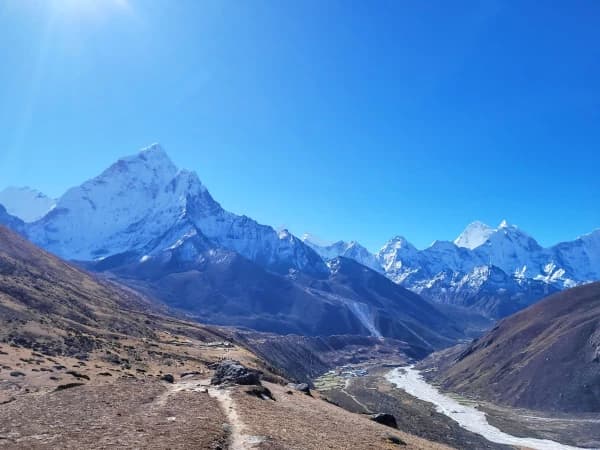
Descending through rhododendron forests to Pangboche, the trail then climbs into open alpine terrain. Stone-walled fields and yak pastures dominate the landscape as you reach Dingboche surrounded by Ama Dablam, Lhotse, and Island Peak.

Max Altitude: 4,410 m.|14,468 ft. Meals: Breakfast, Lunch and DinnerAccommodation: Guest house or LodgeMode of Travel: WalkingDuration: 5 to 6 HoursDistance: 9 Kilometers

A second acclimatisation day includes a hike to Nangkartshang Peak, rewarding you with panoramic views of Makalu, Lhotse, Ama Dablam, and surrounding glaciers. The afternoon is spent resting, hydrating, and enjoying the quiet high-altitude environment.

Max Altitude: 5,083 m.|16,676 ft. back to 4,410 m. Meals: Breakfast, Lunch and DinnerAccommodation: Guest house or LodgeMode of Travel: WalkingDuration: 3 to 4 HoursDistance: 4 Kilometers

The trail becomes more rugged as you follow glacial moraines and sparse alpine terrain. Crossing Dughla and climbing the Thukla Pass, you stop at memorials dedicated to climbers who lost their lives in the Himalayas. Continue onward to Lobuche, with striking views of the Khumbu Glacier.

Max Altitude: 4,940 m.|16,207 ft. Meals: Breakfast, Lunch and DinnerAccommodation: Guest house or LodgeMode of Travel: WalkingDuration: 5 to 6 HoursDistance: 8 Kilometers

A highlight of the journey. You trek to Gorakshep before continuing to Everest Base Camp in the afternoon. Walking alongside the Khumbu Icefall, you reach the legendary base camp where climbers prepare for their summit attempts. After absorbing the atmosphere, return to Gorakshep for the night.

Max Altitude: 5,364 m.|17,598 ft. and back to 5,140 m. Meals: Breakfast, Lunch and DinnerAccommodation: Guest house or LodgeMode of Travel: WalkingDuration: 6 to 7 HoursDistance: 11 Kilometers

Before dawn, you climb Kala Patthar for breathtaking sunrise views of Everest, Lhotse, Nuptse, and Pumori. After descending and breakfast, you begin your descent through Lobuche and Dingboche to Pangboche. 

Max Altitude: 5,555 m.|18,225 ft. and back to 3,985 m.|13,074 ft. Meals: Breakfast, Lunch and DinnerAccommodation: Guest house or LodgeMode of Travel: WalkingDuration: 8 to 9 HoursDistance: 17 Kilometers

Retracing your steps through Tengboche and forested trails, you descend back to Namche Bazaar. Familiar scenery feels transformed by experience, and the evening is spent celebrating your successful high-altitude journey.

Max Altitude: 3,440 m.|11,286 ft. Meals: Breakfast, Lunch and DinnerAccommodation: Guest house or LodgeMode of Travel: WalkingDuration: 6 to 7 HoursDistance: 14 Kilometers

The final trekking day follows the Dudh Koshi River back to Lukla. Crossing suspension bridges and passing lively villages, the walk is reflective and relaxed. In the evening, enjoy a farewell dinner with your trekking crew, sharing stories from the trail.

Max Altitude: 2,840 m.|9,317 ft. Meals: Breakfast, Lunch and DinnerAccommodation: Guest house or LodgeMode of Travel: WalkingDuration: 7 to 8 HoursDistance: 18 Kilometers

Take a scenic mountain flight from Lukla back toward Kathmandu (or Manthali, Ramechhap) , enjoying final aerial views of the Himalayas. Upon arrival, transfer to your hotel. The remainder of the day is free for rest, shopping, or relaxation in Thamel.

Max Altitude: 1,455 m.|4,773 ft. Meals: BreakfastAccommodation: Standard Hotel in ThamelMode of Travel: Flight and DriveDuration: 30 Minutes Flight

It is the end day of your Nepal tour vacation. An Iconic Himalaya representative will pick you up from the hotel and take you to Kathmandu International Airport for your home flight. 

Safe travels, and Namaste!

Max Altitude: 1,455 m.|4,773 ft. Meals: BreakfastAccommodation: Check out in HotelMode of Travel: Final departure drop to the AirportDuration: 20 to 30 MinutesDistance: 6 Kilometers
Unable to locate what are you seeking?Download brochure or customize your trip.
Customize Trip
Cost Details
Includes
  • In-country airport pickup & drop in a private vehicle.
  • Standard hotel accommodation (with breakfast) in Kathmandu.
  • Domestic transportation including flight and road trip (Kathmandu–Jiri–Kathmandu) with domestic airport taxes.
  • Professional, government-licensed English-speaking guide; experienced porters to carry luggage (approx 25 kg per porter; 1 porter per 2 trekkers).
  • All meals during the trek (breakfast, lunch & dinner) in tea houses.
  • Best available accommodation in tea houses during the trek.
  • Staff salary, insurance for staff, food and accommodation for crew.
  • All necessary permits: Sagarmatha National Park Permit, Khumbu Pasanglhamu Rural Municipality permit.
  • Water purification (tablets or filters) for safe drinking water.
  • First aid kit carried by the guide.
  • All  government local taxes/VAT and office expenses.
  • Sleeping bag, down jackets and a duffle bag- if necessary( return after trek).
  • Emergency rescue assistance coordination.
  • Trip completion certificate and a trek route map.
Excludes
  • Nepal entry visa fee (obtainable on arrival or online).
  • Travel insurance (compulsory; must cover high-altitude rescue & helicopter evacuation).
  • Meals in Kathmandu beyond those included and all beverages (hot drinks, bottled water, and alcohol).
  • Personal trekking equipment (unless rented), laundry, phone calls, and hot shower or Wi-Fi charges in teahouses.
  • International airfare to/from Nepal.
  • Excess baggage charges on domestic flights.
  • Extra nights in Kathmandu for early arrival, late departure, or emergency/voluntary itinerary changes.
  • Optional trips and sightseeing if extended.
  • Tips/gratuities for guides and porters.
  • Any service not listed under “Includes.”
Dates & Availability

We run fixed-departure and private group treks throughout the main seasons. We also customize departure dates to fit your schedule. We heartily welcome families, solo trekkers, and private groups. Please reserve early for autumn and spring seasons as spaces fill quickly.

Note:

  • The itinerary may change due to weather or health reasons. 
  • For trip confirmation, a deposit (typically 25% of total) is required; balance due per operator policy.
Jiri to Everest Base Camp Trek Equipments

Equipment & Accessories Packing List

Bag & Packs

  • Main backpack: 40–65 L capacity with comfortable hip belt and ventilated back.
  • Daypack: 20–30 L for daily essentials (water, camera, layers).
  • Duffel bag: for porter to carry main luggage.

Footwear

  • Sturdy, waterproof trekking boots with ankle support.
  • Comfortable camp shoes or sandals for evenings.
  • Spare trainers or sandals for village walks.

Clothing

  • Warm down jacket and lightweight insulated jacket.
  • Fleece or mid-layers (2).
  • Waterproof, breathable shell jacket and pants.
  • Thermal base layers (top & bottom).
  • Quick-dry trekking shirts and long sleeves.
  • Trekking pants and spare pair.
  • Warm hat/beanie, sun hat, gloves, warm socks (wool).
  • Gaiters for snow or muddy sections.

Sleeping & Bedding

  • Sleeping bag rated to -10 °C or -15 °C for comfort.
  • Lightweight liner (optional, adds hygiene).

Gadgets & Accessories

  • Sunglasses (UV protected) and sunscreen (high SPF).
  • Headlamp with spare batteries.
  • Trekking poles (recommended).
  • Water bottles (2 × 1 L) and/or hydration bladder; water purification tablets.
  • Power bank and spare camera batteries (limited charging in tea houses).
  • Personal toilet kit, quick-dry towel, toilet paper.
  • Basic repair kit (needle/thread, duct tape), zip ties, and plastic bags for waterproofing.
  • Compass & map (guide will carry detailed maps).

Medical & First Aid

  • Personal prescription medicines and a small personal first aid kit.
  • Diamox (acetazolamide) if advised by your physician for acclimatization.
  • Pain relievers, antidiarrheal, rehydration salts, antiseptic wipes, blister plasters.

Women-Specific Tips

Women trekkers should carry essential hygiene products, moisturizer, lip balm with SPF, and wet wipes for long days. A light shawl or scarf is useful for monastery visits or traditional households. Many teahouses are run by Sherpa women, creating a welcoming and safe environment. Guides ensure privacy and safety, making the trek comfortable and empowering. Trekking in the Himalaya as a woman is about embracing independence, community, and confidence on the trail.

Prescription Medicine and First Aid

Carry regular prescriptions for the entire trip. Our guides carry an extended first aid kit; however, personal medicines for chronic conditions are the traveler’s responsibility.

Essential Information

Jiri Everest Base Camp Trek Difficulty

This trek is considered moderate to challenging, mainly due to its long duration and significant altitude gain. The trail from Jiri involves multiple ascents and descents before reaching Namche Bazaar, offering excellent natural acclimatization. It’s ideal for trekkers with good fitness and determination.

Altitude Sickness & Remedies

Altitude can affect anyone. Symptoms include headache, nausea, dizziness, loss of appetite and difficulty sleeping.
Preventive measures:

  • Hydrate liberally (3–4 L/day).
  • Climb slowly and obey rest/acclimatization days.
  • Inform the guide immediately of symptoms.
  • Medical option: Diamox (acetazolamide) under doctor’s advice.
  • Descend promptly if symptoms worsen (HAPE/HACE are medical emergencies).

Travel Insurance

Comprehensive travel insurance that covers emergency helicopter evacuation and high-altitude rescue is mandatory. Confirm policies cover altitudes up to 6,000 m and include trip cancellation for weather or medical emergencies.

Training for the Trek

Prepare with cardiovascular training (walking, hiking with a weighted pack, stair climbing) for 6–8 weeks prior. Include multi-hour hikes with elevation gain to build endurance. Strength training for legs and core helps with long descents.

Best Time & Weather

The best times are spring (March to May) and autumn (September to November). During these months, the weather is clear, rhododendrons bloom, and mountain views are at their best. Winter can be cold, while the monsoon brings rain and leeches to the lower sections. 

Food & Accommodation on the Trek

You’ll stay in teahouses and lodges along the route. They are cozy, family-run establishments that offer warm hospitality, local and hearty meals like dal bhat, soups, noodles, potatoes, eggs and simple desserts. Rooms are usually twin-sharing with shared bathrooms at lower altitudes with shared or basic private bathrooms. Facilities become simpler as you climb higher. Hot showers are limited and often charged extra. You can carry electrolyte powders and snacks for high days.

Nutshell

  • Max Altitude: 5,364 m (Everest Base Camp) & 5,545 m (Kala Patthar).
  • Duration: 21 days Kathmandu–Kathmandu.
  • Terrain: Terraced fields, forests, moraines, glaciers, rocky ridges.
  • Average daily walking: 4–8 hours.
  • Accommodation: Tea houses in villages; hotels in Kathmandu.
  • Food: Nepali, Tibetan, and continental options.
  • Permits: Sagarmatha National Park Permit; local municipality permit.
  • Emergency: Helicopter evacuation available (cost borne by your insurance).
Jiri to Everest Base Camp Trek FAQs

Starting from Jiri provides a more authentic and traditional experience, following the route of early Everest expeditions. It also allows gradual acclimatization and a richer cultural journey through mid-hill villages, farmlands, and Sherpa settlements.

The highest point is Kala Patthar at 5,545 meters, offering the most spectacular close-up view of Mount Everest. The Everest Base Camp itself lies at 5,364 meters.

Because the route begins from a lower altitude in Jiri, the trek allows excellent natural acclimatization. The gradual climb through mid-hill terrain helps your body adjust to the thinning air before reaching high altitudes in the Khumbu region.

Mobile network coverage is available in lower regions and major settlements like Namche Bazaar and Dingboche. Wi-Fi is available in many lodges for a small fee, though connections can be slow or unreliable at high altitudes.

Yes, as the trek reaches above 5,000 meters, there’s always a risk. The gradual climb from Jiri helps reduce this risk, but you should still stay hydrated, ascend slowly, and inform your guide immediately if symptoms appear.

You’ll be accompanied by an experienced licensed guide and, if needed, porters who carry your luggage. Guides also help with acclimatization, local communication, and ensure your overall safety and comfort.

Your guide will assist with first aid and, if necessary, arrange evacuation. Helicopter rescue is available from several points in the Khumbu region, and travel insurance that covers high-altitude evacuation is mandatory.

The Jiri section is far quieter and less commercialized. You’ll often find yourself walking through serene forests and small villages with minimal tourist presence which is a welcome contrast to the busier upper Khumbu trails.

The journey passes through Sherpa, Rai, and Tamang villages, each with unique traditions, festivals, and architecture. Highlights include Junbesi Monastery, Tengboche Monastery, and countless chortens, mani walls, and prayer wheels that mark your path.

Because it combines everything Nepal is known for its history, culture, endurance, and majestic mountain beauty. The Jiri route lets you experience the Himalayas in their truest form, where every ascent feels earned and every view feels personal.

Speak to an Expert+977 9851130654

Share your queries and contact details with us on WhatsApp, and we’ll reach out to tailor a package that meets your needs.

Need Help? Call Us+977 9851130654