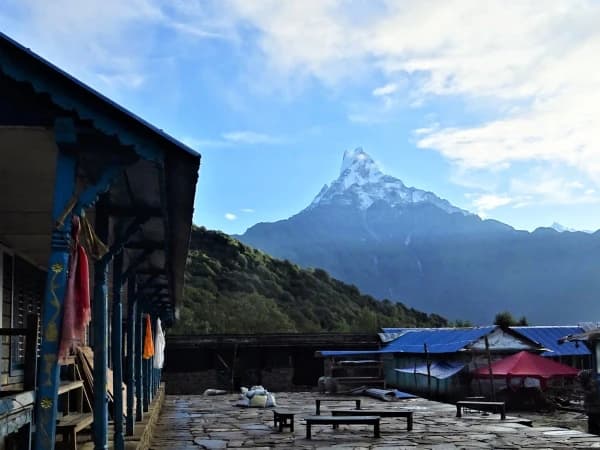
Mardi Himal Trek

Duration
9 Days
Trip Grade
Moderate
Country
Nepal
Maximum Altitude
4,500 m.| 14,763 ft.
Group Size
2 to 20 People
Starts/Ends
Pokhara - Pokhara
Communication
Phone and Wifi
Activities
Trekking
Best Time
Autumn and Spring

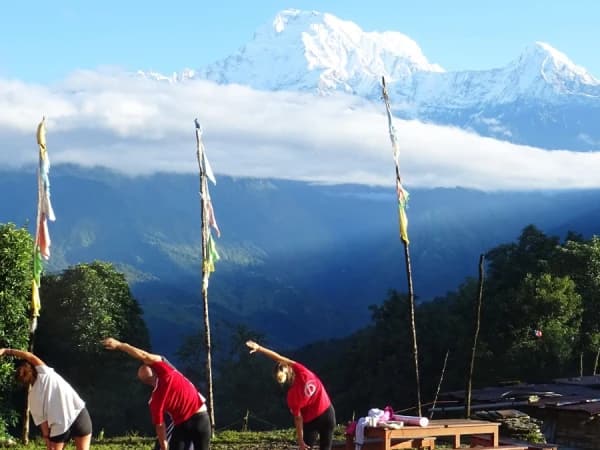
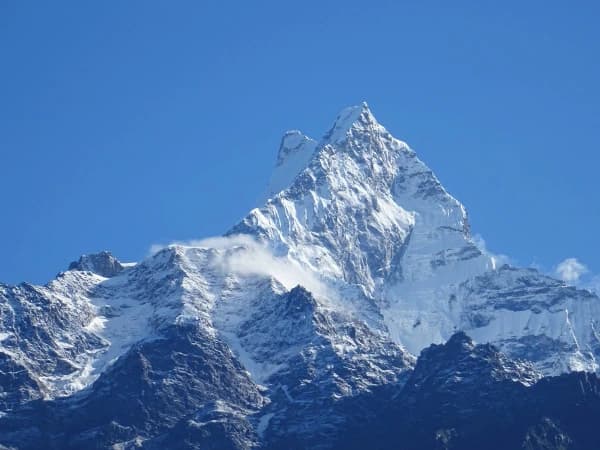
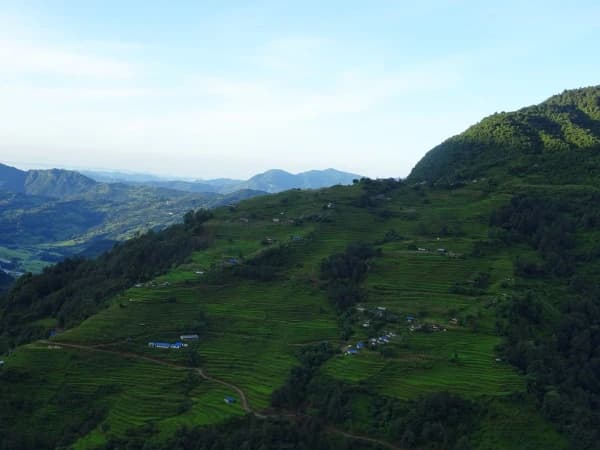
The Mardi Himal Trek is a hidden gem in the Annapurna region, offering a serene alternative to the busier Annapurna Base Camp and Ghorepani Poon Hill treks. This trek is celebrated for its spectacular close-up views of Machhapuchhre (Fishtail), Annapurna South, Hiunchuli, and Mardi Himal itself. Unlike some of the more popular trails, Mardi Himal offers a more intimate experience of the Himalayas, winding through rhododendron forests, remote villages, and lush terraced fields.

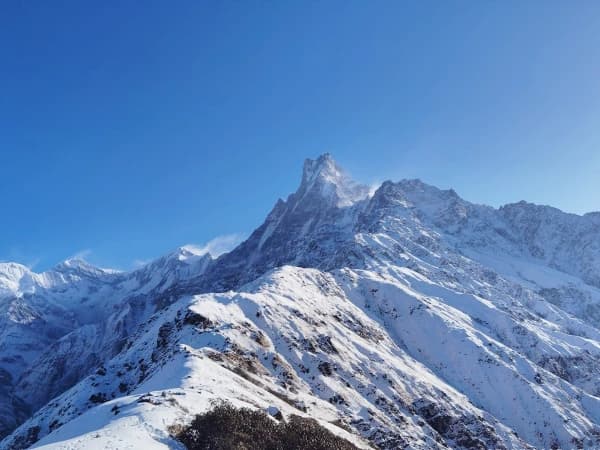
The journey begins from Pokhara and gradually ascends through the charming villages of Dhampus and Pothana, immersing trekkers in the Gurung culture. As you climb higher, the landscape transforms into alpine meadows, mossy forests, and eventually the rugged high-altitude terrain near Mardi Himal Base Camp. From the base camp at 4,500 meters, the views of Machhapuchhre and the Annapurna range are breathtaking, particularly during sunrise and sunset, when the peaks are bathed in golden light.

This trek is ideal for travelers seeking a quieter Himalayan adventure while still experiencing the dramatic mountain panoramas and cultural richness the Annapurna region offers. It is suitable for moderately experienced trekkers and provides a perfect mix of nature, culture, and solitude.

Highlights

  • Close-up views of Machhapuchhre, Annapurna South, Hiunchuli, and Mardi Himal itself.
  • Walks through lush rhododendron and oak forests, particularly stunning during spring bloom.
  • Visits to traditional Gurung villages such as Dhampus, Pothana, and Siding, providing cultural insight and interaction with local communities.
  • Alpine meadows and dramatic landscapes as you ascend toward Mardi Himal Base Camp.
  • Opportunities for photography, meditation, and quiet reflection away from crowded trails.
  • Panoramic sunrise and sunset vistas from the base camp and viewpoint ridges.

What to Expect from the Mardi Himal Trek?

The Mardi Himal Trek is considered moderate in difficulty, combining forested trails, terraced fields, and high-altitude ridges. Daily walks range from 4–7 hours, allowing plenty of time for acclimatization, rest, and photography. The maximum elevation of 4,500 meters at Mardi Himal Base Camp exposes trekkers to snow-capped peaks without the extreme altitude risks of higher treks.

Along the way, you’ll encounter cascading waterfalls, prayer flags fluttering in the wind, grazing yaks, and friendly villagers. Accommodation is in cozy teahouses offering warm meals, making the trek comfortable for those who prefer a teahouse experience.

This trek is especially appealing for photographers and nature enthusiasts due to its quieter trails and uninterrupted Himalayan panoramas. The combination of culture, nature, and solitude makes it a deeply rewarding Himalayan experience.

Major Attractions at the Mardi Himal Trek

Your journey begins in Kathmandu, Nepal’s vibrant capital, filled with ancient temples, bustling markets, and rich cultural heritage. From here, you travel to Pokhara, the lakeside city that serves as the gateway to the Annapurna region.

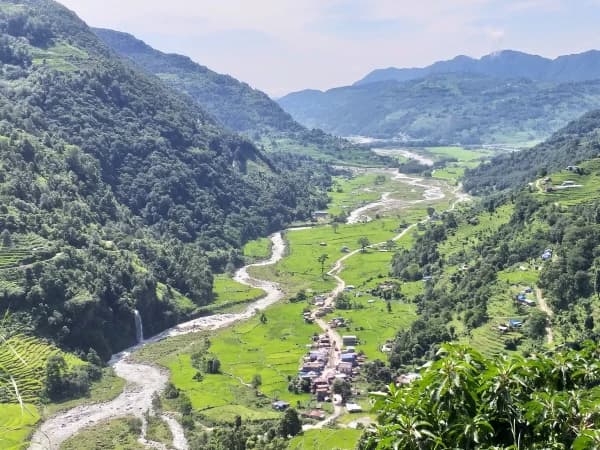
The trek starts at Phedi, leading to Dhampus, a charming Gurung village perched on a hillside with panoramic mountain views. Continuing through Pothana and Siding, the trails gradually ascend into the alpine zone, passing rhododendron forests, mossy paths, and terraced farmland.

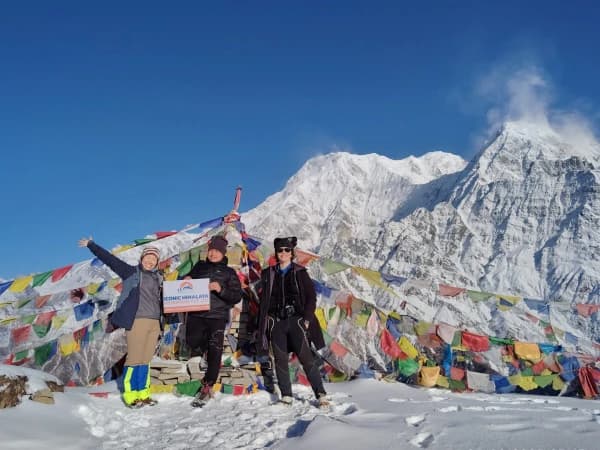
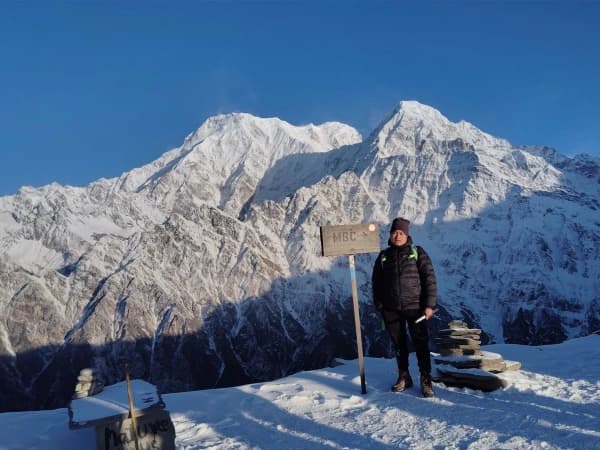
The pinnacle of the trek is Mardi Himal Base Camp (4,500 m), offering spectacular views of Machhapuchhre, Annapurna South, Hiunchuli, and Mardi Himal itself. Nearby, the Mardi Himal High Camp provides an elevated viewpoint for unforgettable sunrise vistas.

On descent, trekkers pass back through Dhampus and Phedi, returning to Pokhara for relaxation beside Phewa Lake, reflecting on the journey through remote Himalayan landscapes and vibrant local culture.

Who Can Do the Mardi Himal Trek?

This trek is suitable for trekkers with a moderate level of fitness. While it is shorter than the Annapurna Base Camp trek, the elevation gain and some steep sections require stamina and endurance. 

Iconic Himalaya welcomes enthusiastic trekkers from all over the world — whether you’re travelling solo, with friends, your partner, or family. Solo trekkers are always accompanied by a licensed guide and, if preferred, a porter. You can also join a group trek with other travellers or arrange a private trek. Iconic Himalaya will adjust your itinerary and travel arrangements as per your preference. 

Mardi Himal Trek Itinerary
Pokhara - PokharaExpand all

Welcome to Kathmandu, the vibrant capital of Nepal, a city alive with colour, culture, and history. Upon arrival, a representative from Iconic Himalaya will greet you warmly at the airport and escort you to your hotel. After settling in, you’ll receive a personal briefing about your trek, your route, and everything you need to know for your time in Nepal.

Later, enjoy a delicious meal of your choice and, if you wish, take a short walk through the lively streets of Thamel. 

Max Altitude: 1,455 m.|4,773 ft. Accommodation: Standard Hotel check in at ThamelMode of Travel: Pick up from the AirportDuration: 20 to 30 MinutesDistance: 6 Kilometers

Kathmandu Valley is home to four UNESCO World Heritage Sites, each with its own charm and story. Depending on your interests, you can explore the historic palace squares of Patan, Bhaktapur, and Kathmandu which are filled with ancient temples, courtyards, and intricate woodwork or visit revered religious landmarks such as Pashupatinath Temple, Swayambhu Stupa, and Bouddhanath Stupa, each deeply spiritual and culturally rich.

Throughout the day, your guide will share the legends, rituals, and traditions that give life to these places. For meals, we recommend trying a traditional Nepali thali (a wholesome platter of rice, lentils, curries, and pickles) or mo:mo: Nepal’s beloved dumplings with spiced fillings.

Max Altitude: 1,455 m.|4,773 ft. Meals: BreakfastAccommodation: Standard Hotel in ThamelMode of Travel: Car/Van/Jeep with tour GuideDuration: 6 to 7 Hours

After breakfast, we set off on a comfortable drive to Pokhara, a scenic journey of about 6–7 hours. The route winds past terraced fields, rivers, and small hill towns, meandering along the Trishuli and Marshyangdi Rivers. 

Upon reaching Pokhara, Nepal’s laid-back lake city, you’ll have time to relax by Phewa Lake and explore the Lakeside. 

Note: Travellers also have the option to travel to Pokhara via a short half an hour flight

Max Altitude: 8,22 m.|2,696 ft. Meals: BreakfastAccommodation: Standard Hotel in PokharaMode of Travel: Travel by Tourist BusDuration: 6 to 7 HoursDistance: 204 Kilometers

After breakfast in Pokhara, you drive for about 1.5 hours to Kande, the starting point of the trek. From here, the trail gently ascends through terraced fields and scattered villages, offering your first glimpses of the Annapurna and Machhapuchhre ranges. The path soon leads to Australian Camp, a scenic viewpoint surrounded by pine forests, where you can pause to stretch and enjoy panoramic mountain vistas. Continuing on, the trail winds through forested slopes dotted with rhododendrons and oak trees, gradually easing you into the rhythm of the trek. By afternoon, you arrive at Deurali, our stop for the night.

Max Altitude: 2,100 m.|6,889 ft. Meals: Breakfast, Lunch and DinnerAccommodation: Guest house or LodgheMode of Travel: Drive and WalkingDuration: 4 to 5 HoursDistance: 27 km. Drive and 9 Kilometers

Leaving Deurali behind, the trail enters a tranquil corridor of thick rhododendron and oak forests. It’s a peaceful walk through one of the most pristine sections of the trek, where shafts of sunlight occasionally pierce through the canopy, lighting up patches of moss and wildflowers. 

Upon reaching Low Camp, you’re rewarded with your first clear, uninterrupted view of Machhapuchhre (Fishtail), its elegant, double summit glistening in the afternoon light. The camp offers a serene perch above the forest line, perfect for sunset photography and quiet reflection.

Max Altitude: 3,050 m.|1,0006 ft. Meals: Breakfast, Lunch and DinnerAccommodation: Guest house or LodgeMode of Travel: WalkingDuration: 5 to 6 HoursDistance: 12 Kilometers

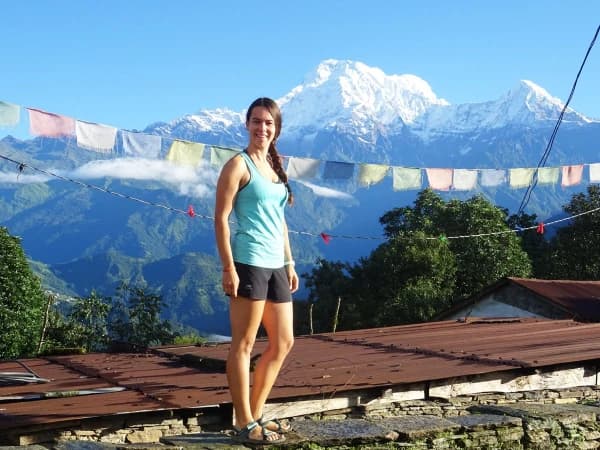
Today’s trail climbs steadily along a grassy ridgeline, offering sweeping 360° views of the Himalayas. To the north rise Annapurna South, Hiunchuli, and the unmistakable Machhapuchhre — close enough to feel within reach. The climb, though steady, is immensely rewarding as you approach High Camp, perched dramatically above the clouds. From here, the evening sky explodes in hues of orange and gold over the Annapurna range, marking one of the trek’s most unforgettable sunsets.

Max Altitude: 3,580 m.|11,745 ft. Meals: Breakfast, Lunch and DinnerAccommodation: Guest house or LodgeMode of Travel: WalkingDuration: 3 to 4 HoursDistance: 9 Kilometers

You set out before dawn with headlamps glowing, tracing a narrow ridge toward Mardi Himal Base Camp. The silence of the early morning is broken only by the crunch of frost underfoot and the whisper of wind over the ridges. As the first light spills over the peaks, the entire Annapurna range ignites in gold and crimson. From the base camp, the views of Machhapuchhre, Annapurna South, and Mardi Himal are nothing short of breathtaking. After spending time soaking in the Himalayan panorama, you descend back to High Camp (or continue to Low Camp, depending on the pace) for a well-earned rest.

Max Altitude: 4,500 m.|14,763 ft. Meals: Breakfast, Lunch and DinnerAccommodation: Guest house or LodgeMode of Travel: WalkingDuration: 7 to 8 HoursDistance: 12.5 Kilometers

After breakfast, begin your descent along a different route through lush forest trails leading to Siding Village. The change in scenery — from alpine ridges back to green hillsides and terraced farms — is a gentle reminder of the trek’s diverse beauty. In Siding, a waiting vehicle takes you back to Pokhara (a 2–3-hour drive), where the comforts of lakeside cafés and the calm waters of Phewa Lake offer the perfect ending to your mountain adventure.

Max Altitude: 8,22 m.|2,696 ft. Meals: Breakfast and LunchAccommodation: Standard Hotel in PokharaMode of Travel: Walking and DriveDuration: 7 to 8 HoursDistance: 9 Km. Trek and Drive

After breakfast, we make our trip to Kathmandu, a relaxing 6–7 hour journey. Sit back, enjoy the views of the countryside, and relive the highlights of your trek. 

Once back in the Kathmandu, you’ll have free time to relax, explore local cafés, or celebrate your trek with your companions.

Note: Travellers also have the option to travel to Pokhara via a short half an hour flight. 

Max Altitude: 1,455 m.|4,773 ft. Meals: BreakfastAccommodation: Standard Hotel in ThamelMode of Travel: Travel by Tourist Bus or FlightDuration: 6 to 7 Hours Drive or 20 Minutes FlightDistance: 204 Kilometers

It’s time to say goodbye – for now. After breakfast, Iconic Himalaya team member will escort you to the airport in time for your flight. 

We hope your time in Nepal has left you with unforgettable memories, new friendships, and a deep connection to the mountains. Until next time — namaste and safe travels.

Max Altitude: 1,455 m|4,773 ft. Meals: BreakfastAccommodation: Check out in HotelMode of Travel: Final Departure drop to the AirportDuration: 20 to 30 MinutesDistance: 6 Kilometers
Unable to locate what are you seeking?Download brochure or customize your trip.
Customize Trip
Cost Details
Includes
  • Airport pickup and drop-off service in Kathmandu
  • 3 nights' accommodation in Kathmandu with breakfast
  • 2 nights' accommodation in Pokhara with breakfast
  • All ground transportation as per the itinerary (tourist bus, private vehicle, or domestic flight, where applicable)
  • Full board meals (breakfast, lunch, dinner) during the trek
  • Accommodation in comfortable mountain lodges and teahouses throughout the trek
  • Professional, government-licensed English-speaking guide and experienced porters (1 porter per 2 trekkers; up to 25 kg per porter).
  • Porter to carry luggage (one porter for every two trekkers, max 25 kg combined)
  • All necessary permits: Annapurna Conservation Area Permit (ACAP) and TIMS card; local permits where required
  • First aid kit carried by the guide; pulse oximeter for monitoring
  • All government taxes and official service charges
  • A comprehensive briefing prior to departure
  • Duffel bag for trekking (to be returned after the trek)
  • Emmergency assistance coordination
  • Trek completion certificate
Excludes
  • International airfare to and from Kathmandu
  • Nepal entry visa fee (obtainable on arrival or online).
  • Travel insurance (compulsory; must cover emergency evacuation and high-altitude rescue).
  • Meals in Kathmandu and Pokhara beyond those included; all beverages (hot drinks in town, bottled water, alcohol).
  • Personal trekking equipment (unless rented), laundry, phone calls, hot showers or Wi-Fi charges in teahouses.
  • Excess baggage charges on domestic flights.
  • Extra nights in Kathmandu or Pokhara for early arrival, late departure, or emergency/voluntary itinerary changes.
  • Tips/gratuities for guides and porters.”
  • Optional trips and sightseeing if extended
  • Any additional costs incurred due to delays, natural disasters, or unforeseen circumstances
  • Any other services that are not listed in the price “included section” of this package.
Dates & Availability

The Mardi Himal Trek is accessible year-round, offering unique experiences in every season. Spring (March–May) is particularly spectacular, with rhododendrons and alpine flowers in full bloom, mild temperatures, and crisp, clear mountain views. Autumn (September–November) is the most popular trekking season, providing stable weather, warm days, and panoramic vistas of the Annapurna and Machhapuchhre ranges. Winter (December–February) brings cold but serene trails, with snow-dusted paths and fewer trekkers, ideal for those seeking a peaceful and quiet journey. During the Monsoon (June–August), the forests and meadows are lush and green, though occasional rain showers and slippery trails can occur, making this season more suitable for experienced trekkers.

We offer guaranteed departures every week during the peak seasons (spring and autumn) and private or customized departures are available throughout the year to suit your schedule and preferences.

Note:

  • Itinerary may change due to weather or health. Buffer days are advised for flight delays.
  • Trip confirmation requires deposit (typically 25%) with balance per operator policy.
Mardi Himal Trek Equipments

Equipment and accessories are essential for comfort, safety, and an enjoyable experience on the Mardi Himal Trek. Although this trek is moderate in length and altitude, proper preparation ensures a smoother and more comfortable journey. Below is a detailed packing guide tailored specifically for the Mardi Himal region.

Equipment and Accessories Packing List

Bag & Packs

  • Main backpack: 40–55 L capacity (comfortable hip belt, ventilated back).
  • Daypack: 20–25 L for daily essentials (water, camera, warm layers, snacks).
  • Duffel bag: for porter to carry the main luggage.

Footwear

  • Lightweight, waterproof trekking boots with ankle support.
  • Comfortable camp shoes or sandals for evenings.
  • Trekking socks (2–3 pairs, moisture-wicking).

Clothing

  • Lightweight down or insulated jacket for early mornings and evenings.
  • Fleece or mid-layers (1–2).
  • Waterproof, breathable shell jacket.
  • Thermal base layers (top & bottom) during colder months.
  • Quick-dry trekking shirts and long-sleeve tops.
  • Trekking pants and a spare pair of lightweight trousers.
  • Warm hat/beanie, sun hat, and gloves (light and insulated pair).
  • Buff or scarf for dust and wind protection.

Sleeping & Bedding

  • Sleeping bag rated to -5°C to -10°C (can be rented if needed).
  • Lightweight liner for added hygiene and warmth.

Gadgets & Accessories

  • Sunglasses (UV protected) and sunscreen (SPF 30+).
  • Headlamp with spare batteries.
  • Trekking poles (highly recommended for steep ascents and descents).
  • Reusable water bottles (2 × 1 L) or hydration bladder.
  • Water purification tablets or filter.
  • Power bank and charger (limited charging options in lodges).
  • Personal toiletries, quick-dry towel, and toilet paper.
  • Small repair kit (needle/thread, duct tape) and plastic bags for waterproofing.

Medical & First Aid

  • Personal prescription medicines.
  • Small personal first aid kit (pain relievers, blister plasters, antiseptic wipes, etc.).
  • Antidiarrheal and oral rehydration salts.
  • Sunscreen lip balm (SPF 15+).

Women-Specific
For women trekkers, carry trusted feminine hygiene products, wet wipes, and moisturizer for comfort during the trek. A light scarf or shawl is also useful when visiting monasteries or local homes. The Mardi Himal Trek passes through friendly Gurung and Magar villages with family-run lodges, creating a warm and safe environment. Trekking in this region combines natural beauty with cultural immersion, making it both inspiring and empowering.

Prescription Medicine and First Aid

Carry all regular prescriptions for the entire trip. Our guides are equipped with a group first aid kit, but trekkers are responsible for their personal medications or chronic condition treatments.

Essential Information

Altitude Sickness & Remedies

The trek’s highest point is Mardi Himal Base Camp at 4,500 meters, which carries a moderate risk of altitude sickness. Proper acclimatization days are built into the itinerary to reduce risks. Mild symptoms such as fatigue or shortness of breath may occur due to exertion. Preventive measures include:

  • Hydrate well (2–3 L/day)
  • Walk slowly and take frequent rest breaks
  • Eat properly and avoid alcohol or sleeping pills
  • Inform your guide immediately if any discomfort arises

Travel Insurance

While altitude risks are low, comprehensive travel insurance covering trekking up to 3,500m, medical emergencies, and trip interruptions is still mandatory. Confirm that your policy includes evacuation and trip cancellation coverage.

Training for the Trek

Preparation is key to enjoying the Mardi Himal Trek. Begin 4–6 weeks prior with cardio exercises such as walking, cycling, or stair climbing. Strengthen your legs and core through bodyweight exercises or gym workouts. Practice hiking with a loaded daypack, and consider short weekend treks at lower altitudes to help acclimatize your body to uphill trekking. Regular preparation ensures a smoother and more comfortable experience on the trail.

Best Time & Weather Notes

The Mardi Himal Trek is accessible year-round, but the best seasons for trekking are spring (March–May) and autumn (September–November). Spring brings blooming rhododendrons, mild temperatures, and clear skies, while autumn offers stable weather, crisp air, and panoramic mountain views. Winter (December–February) is cold with snow-dusted trails but offers a quieter experience. Monsoon (June–August) trails are lush and green, with occasional rain showers and slippery sections; this season is recommended only for experienced trekkers. For most travelers, March–May and September–November provide the clearest skies and most comfortable conditions.

Food & Accommodation on the Trek

Throughout the trek, accommodation is in family-run teahouses and lodges, which are simple, clean, and cozy. Rooms typically include twin beds, blankets, and shared bathrooms. Meals are freshly prepared, featuring Nepali dal bhat, noodles, soups, pancakes, omelets, and tea or coffee, with vegetarian and vegan options widely available. In Pokhara and Kathmandu, you’ll stay in comfortable hotels with breakfast, with lakeside cafés and restaurants in Pokhara offering additional dining choices.

Nutshell

  • Max Altitude: Mardi Himal Base Camp at 4,500 m
  • Duration: 12 Days (Kathmandu–Kathmandu)
  • Trekking Duration: 8 Days (Pokhara–Pokhara)
  • Terrain: Forested trails, terraced fields, alpine meadows, rugged high-altitude paths
  • Average Daily Walking: 4–7 hours
  • Accommodation: Teahouses and lodges during trek; hotels in Kathmandu & Pokhara
  • Food: Nepali, Gurung, and continental dishes; vegetarian and vegan options available
  • Permits: Annapurna Conservation Area Permit (ACAP), TIMS Card
  • Emergency: Helicopter evacuation available (covered by travel insurance)
  • Trek Grade: Moderate
  • Fitness Level: Suitable for moderately experienced trekkers
  • Highlights: Machhapuchhre close-up views, Annapurna South, Hiunchuli, Mardi Himal Base Camp, alpine meadows, rhododendron forests, cultural experiences in Gurung villages, sunrise and sunset vistas
Mardi Himal Trek FAQs

The Mardi Himal Trek offers a quieter, less commercial alternative to popular routes like the Annapurna Base Camp or Ghorepani Poon Hill Trek. It’s perfect for trekkers seeking solitude, pristine natural beauty, and panoramic mountain views. The trail follows a ridge that gradually ascends through dense rhododendron forests to open alpine meadows, with breathtaking views of Machhapuchhre (Fishtail), Annapurna South, and Hiunchuli. The experience feels more remote and adventurous while still being accessible and comfortable.

Yes, the Mardi Himal Trek is ideal for trekkers with a moderate fitness level, even those with little prior experience. The trek involves 4–6 hours of walking per day on well-marked trails. There are some steep sections near High Camp and Mardi Himal Base Camp, but they’re manageable with steady pacing. Proper preparation, light cardio, and gradual acclimatization make it suitable for first-timers looking for a rewarding Himalayan adventure without extreme difficulty.

You’ll stay in cozy teahouses and mountain lodges along the route, each offering simple butcomfortable twin-bedded rooms with blankets and shared bathrooms. Meals are freshly cooked and hearty, featuring Nepali dal bhat, noodles, soups, pancakes, and omelets. Hot drinks like tea or coffee are available throughout the trek. Vegetarian and vegan options are easy to find, and in Pokhara and Kathmandu, you’ll stay in hotels with breakfast included and access to diverse cafés and restaurants.

Trekkers need two main permits — the Annapurna Conservation Area Permit (ACAP) and the Trekkers’ Information Management System (TIMS) card. Both are included in your trekking package when booking with Iconic Himalaya and are arranged before the trek begins in Pokhara or Kathmandu. Your guide will handle all necessary documentation for you.

The weather depends on the season. Spring (March–May) brings blooming rhododendrons an clear skies, while autumn (September–November) offers stable weather and crisp mountain air — ideal for photography. Winter (December–February) has colder mornings and nights, but fewer trekkers and stunning snow views. Monsoon (June–August) brings lush greenery and misty landscapes, though rain and leeches are common. Temperatures vary from warm days (15–20°C) at lower altitudes to cold nights (0–5°C) at High Camp.

The Mardi Himal Trek reaches a maximum altitude of about 4,500 meters at the Base Camp, where altitude sickness is possible but uncommon with proper acclimatization. The itinerary is designed to allow gradual ascent and rest days. Staying hydrated (2–3 liters of water daily), walking slowly, and avoiding alcohol helps minimize risks. Guides are trained to identify early symptoms and provide immediate support if needed.

Begin light training 6–8 weeks before your trip. Include daily cardio exercises such as walking,cycling, or stair climbing, and focus on strengthening your legs and core. Practice short hikes with a loaded daypack to simulate trekking conditions. This helps improve endurance and reduces fatigue on steep ascents and descents.

Absolutely. The Mardi Himal route is safe, friendly, and welcoming to solo travelers and women trekkers. Local communities are warm and respectful, and the trails are well-established. Iconic Himalaya’s experienced guides ensure safety and comfort throughout. Many women find this trek empowering — the intimate teahouse culture, slower pace, and natural beauty make it a deeply personal and transformative experience.

Yes. The Mardi Himal Trek can easily be customized based on your preferences. Many trekkers extend their journey by combining it with the Annapurna Base Camp or Ghorepani Poon Hill routes. You can also add cultural tours in Pokhara or short yoga and wellness retreats for a more holistic Himalayan experience. Custom itineraries are available year-round.

While both treks offer spectacular mountain views, the Mardi Himal Trek provides a more peaceful and off-the-beaten-path experience. The trail is shorter, quieter, and climbs along a ridge overlooking the Annapurna range, offering unique angles of Machhapuchhre (Fishtail). It’s ideal for trekkers who prefer serenity and immersion in nature over the busier routes of Annapurna Base Camp. Mardi Himal feels intimate, personal, and deeply rewarding — a hidden gem of the Himalayas.

Speak to an Expert+977 9851130654

Share your queries and contact details on WhatsApp, and we’ll reach out to tailor a package that meets your needs.

Need Help? Call Us+977 9851130654