North Annapurna Base Camp

Duration
12 Days
Trip Grade
Moderate
Country
Nepal
Maximum Altitude
4,190 m.|13,747 ft.
Group Size
2 to 15 People
Starts/Ends
Kathmandu - Kathmandu
Communication
Phone & Wi-Fi
Activities
Trekking
Best Time
Autumn and Spring

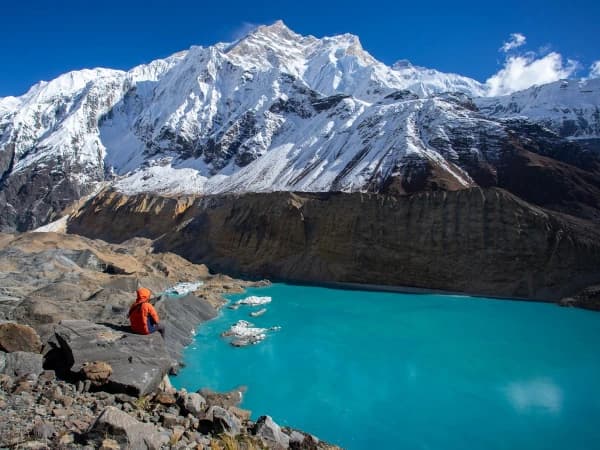
The Annapurna North Base Camp Trek is one of Nepal’s most spectacular and least-travelled high-altitude adventures, offering a rare journey into the remote north face of the Annapurna Massif. Unlike the popular southern Annapurna Base Camp route, this trek leads into a raw, expansive Himalayan landscape defined by glaciers, towering icefalls, and profound silence.

The route follows the Kali Gandaki corridor before turning toward the traditional Magar village of Narchyang, where the trekking trail begins. As you ascend higher, terraced farmland gives way to alpine meadows, seasonal grazing grounds, and rugged moraines carved by ancient ice. The environment grows increasingly wild and untamed, creating a powerful sense of exploration and discovery.

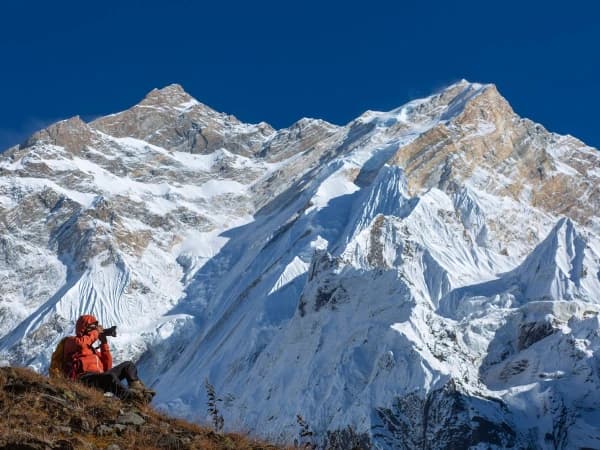
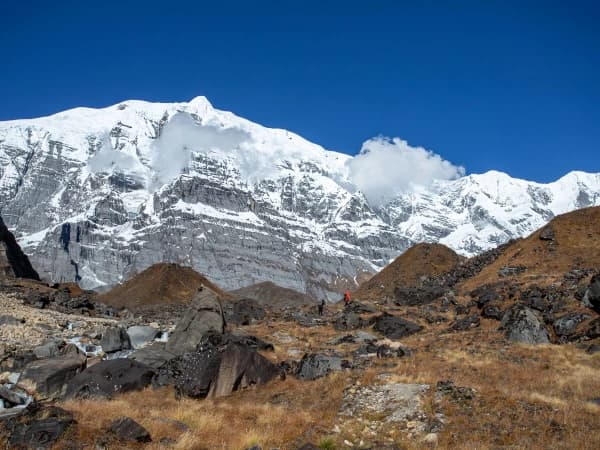
Dominating the skyline throughout the journey are Annapurna I (8,091 m), Annapurna II (7,937 m), Gangapurna (7,455 m), and surrounding peaks and ridges that form a dramatic northern amphitheater. The culmination of the trek is Annapurna North Base Camp, locally known as Pachakunda, situated at 4,090 meters. Here, the immense north face of Annapurna I rises directly above you, offering one of the most awe-inspiring mountain encounters in Nepal.

This trek is ideal for travelers seeking authenticity, solitude, and a deeper connection with the Himalayas, combining cultural immersion, wilderness trekking, and a strong sense of achievement.

Highlights of the Annapurna North Base Camp Trek

• Trek to the rarely visited north face of Annapurna I at Pachakunda Base Camp
• Experience remote and quiet trails far from popular trekking routes
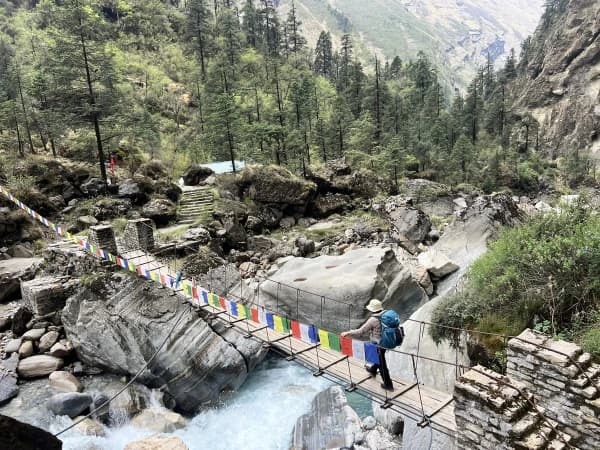
• Walk through traditional Magar villages and seasonal alpine pastures
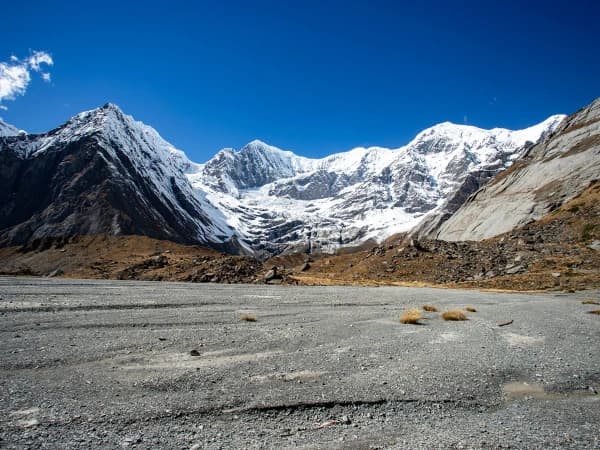
• Witness dramatic glaciers, icefalls, and glacial moraines up close
• Enjoy a true sense of wilderness, silence, and expansive Himalayan scenery
• Ideal for trekkers seeking a meaningful and authentic mountain experience

What can I expect from the Annapurna North Base Camp Trek?

This trek offers a balanced blend of natural grandeur, cultural interaction, and moderate adventure. The trail is less developed than mainstream Annapurna routes, giving it an expedition-like feel while remaining accessible to trekkers with reasonable fitness.

Daily walking distances range from five to seven hours, with gradual ascents that allow for proper acclimatisation. The route passes through subtropical forest, alpine pastureland, rocky highlands, and glacial terrain, offering constant variation in scenery and atmosphere.

Along the way, you will encounter grazing yaks, prayer flags fluttering against vast mountain backdrops, and simple seasonal shelters used by herders. Teahouses and lodges provide warm meals, shelter from the cold, and a chance to rest and reflect at the end of each day. Sunrise and sunset at higher elevations paint the surrounding peaks in shifting tones of gold, pink, and deep shadow, creating unforgettable moments for photographers and nature lovers.

Major Attractions of the Annapurna North Base Camp Trek

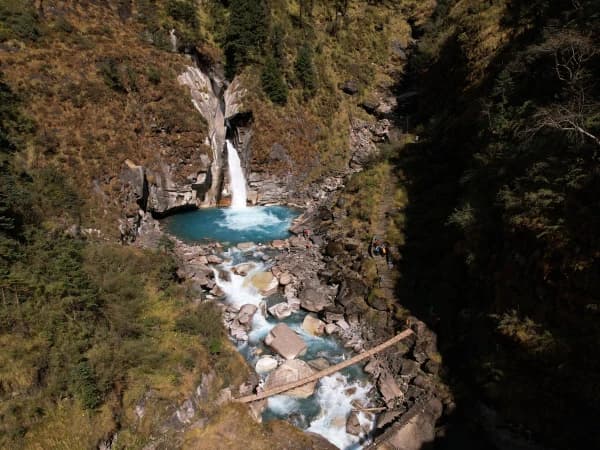
Your journey begins in Kathmandu, Nepal’s vibrant capital, before traveling west to Pokhara and onward through the Kali Gandaki Valley. The drive itself is scenic, passing rivers, waterfalls, terraced hillsides, and traditional settlements.

The trek officially starts from Narchyang, a culturally rich Magar village nestled beneath the Annapurna range. Life here follows the rhythms of agriculture and seasonal movement, offering a glimpse into mountain traditions that have remained largely unchanged for generations.

As you ascend beyond permanent settlements, the landscape becomes increasingly dramatic. Chhotepatan (Chhotepa) and Gupha Phat are high-altitude grazing areas rather than villages, where vast open spaces, rock walls, and glacial features dominate the terrain. These areas feel expansive and untouched, reinforcing the sense of remoteness.

At Annapurna North Base Camp, the mountains surround you completely. The scale of the north face, the proximity of glaciers, and the profound stillness create a powerful and humbling experience. Unlike the southern base camp, this location remains wild and uncrowded, allowing for quiet reflection and a deep connection with the Himalayan environment.

Who can do the Annapurna North Base Camp Trek?

This trek is suitable for trekkers with moderate fitness and a willingness to walk several hours per day at altitude. Prior trekking experience is helpful but not essential, provided you are prepared physically and mentally for high-altitude conditions.

The route is well suited for solo travellers, couples, small private groups, photographers, and adventurers seeking solitude rather than busy trails. Iconic Himalaya’s experienced guides provide continuous support, ensuring proper pacing, acclimatisation, and safety throughout the journey.

Cost Details
Includes
  • Airport pickup and drop-off service in Kathmandu
  • 3 nights accommodation in Kathmandu with breakfast
  • 2 nights accommodation in Pokhara with breakfast
  • All ground transportation as per the itinerary (tourist bus, private vehicle, or domestic flight where applicable)
  • Full board meals (breakfast, lunch, dinner) during the trek
  • Accommodation in comfortable mountain lodges and teahouses throughout the trek
  • Professional, government-licensed English-speaking guide and experienced porters (1 porter per 2 trekkers; up to 25 kg per porter).
  • Porter to carry luggage (one porter for every two trekkers, max 25 kg combined)
  • All necessary permits: Annapurna Conservation Area Permit (ACAP) and TIMS card; local permits where required
  • First aid kit carried by the guide; pulse oximeter for monitoring
  • All government taxes and official service charges
  • A comprehensive briefing prior to departure
  • Duffel bag for trekking (to be returned after the trek)
  • Emmergency assistance coordination
  • Trek completion certificate
Excludes
  • International airfare to and from Kathmandu
  • Nepal entry visa fee (obtainable on arrival or online).
  • Travel insurance (compulsory; must cover emergency evacuation and high-altitude rescue).
  • Meals in Kathmandu and Pokhara beyond those included
  • All beverages (hot drinks in town, soft drinks, bottled water, alcohol)
  • Personal trekking equipment (unless rented), laundry, phone calls, hot showers or Wi-Fi charges in teahouses.
  • Excess baggage charges on domestic flights.
  • Extra nights in Kathmandu or Pokhara for early arrival, late departure, or emergency/voluntary itinerary changes
  • Tips/gratuities for guides and porters (customary and highly appreciated)
  • Optional trips and sightseeing if extended
  • Any additional costs incurred due to delays, natural disasters, or unforeseen circumstances
  • Any other services that are not listed in the price “included section” of this package
North Annapurna Base Camp Equipments

Equipment and accessories are essential for comfort, safety, and an enjoyable experience on the  North Annapurna Base Camp Trek. Although this trek is relatively short and lower in altitude, good preparation ensures a smoother, more comfortable journey. Below is a detailed packing guide adapted specifically for the region.

Equipment and Accessories Packing List

Bag & Packs

  • Main backpack: 40–55 L capacity (comfortable hip belt, ventilated back).
  • Daypack: 20–25 L for daily essentials (water, camera, warm layers, snacks).
  • Duffel bag: for porter to carry the main luggage.

Footwear

  • Lightweight, waterproof trekking boots with ankle support.
  • Comfortable camp shoes or sandals for evenings.
  • Trekking socks (2–3 pairs, moisture-wicking).

Clothing

  • Lightweight down or insulated jacket for early mornings and evenings.
  • Fleece or mid-layers (1–2).
  • Waterproof, breathable shell jacket.
  • Thermal base layers (top & bottom) during colder months.
  • Quick-dry trekking shirts and long-sleeve tops.
  • Trekking pants and a spare pair of lightweight trousers.
  • Warm hat/beanie, sun hat, and gloves (light and insulated pair).
  • Buff or scarf for dust and wind protection.

Sleeping & Bedding

  • Sleeping bag rated to 0°C to -5°C (can be rented if needed).
  • Lightweight liner for added hygiene and warmth.

Gadgets & Accessories

  • Sunglasses (UV protected) and sunscreen (SPF 30+).
  • Headlamp with spare batteries.
  • Trekking poles (recommended for steep descents).
  • Reusable water bottles (2 × 1 L) or hydration bladder.
  • Water purification tablets or filter.
  • Power bank and charger (limited charging options in lodges).
  • Personal toiletries, quick-dry towel, and toilet paper.
  • Small repair kit (needle/thread, duct tape) and plastic bags for waterproofing.

Medical & First Aid

  • Personal prescription medicines.
  • Small personal first aid kit (pain relievers, blister plasters, antiseptic wipes, etc.).
  • Antidiarrheal and oral rehydration salts.
  • Sunscreen lip balm (SPF 15+).

Women-Specific

For women trekkers, carry trusted feminine hygiene products, wet wipes, and moisturizer for comfort during the trek. A light scarf or shawl is also useful when visiting monasteries or traditional homes. This trek passes through friendly Gurung and Magar villages where many lodges are family-run and women-led, creating a warm, safe environment. Trekking in this region is as much about cultural connection as it is about the trail itself. It is empowering, inspiring, and deeply welcoming.

Prescription Medicine and First Aid

Carry all regular prescriptions for the entire trip. Our guides are equipped with a group first aid kit, but trekkers are responsible for their personal medications or chronic condition treatments.

Essential Information

Annapurna North Base Camp Trek Difficulty

The Annapurna North Base Camp Trek is moderate, ideal for trekkers with some fitness experience and basic acclimatization knowledge. Daily hikes range from 5–7 hours, winding through alpine meadows, terraced fields, and rocky paths. While most ascents are gradual, higher sections involve steeper climbs, rewarding trekkers with unforgettable panoramic Himalayan vistas. No extreme trekking experience is required, but a moderate fitness level ensures a comfortable journey.

Altitude & Remedies

The trek reaches a maximum elevation of 4,090 m at Annapurna North Base Camp. Although the altitude is below extreme risk levels, mild fatigue, headaches, or shortness of breath may occur. To stay safe and energized:

  • Drink plenty of water throughout the day
  • Take regular rest breaks and walk at a steady pace
  • Follow your guide’s acclimatization advice
  • Listen to your body and report any discomfort promptly

Travel Insurance

Comprehensive travel insurance covering trekking up to 5,000 m, medical emergencies, and emergency evacuation is mandatory. This ensures safety during unexpected events like illness, injury, or sudden altitude-related complications.

Training for the Trek

Prepare your body for the Himalayan trails with 4–6 weeks of light cardio such as:

  • Walking or jogging
  • Cycling
  • Stair climbing
  • Short hikes with a daypack to strengthen legs, back, and core

Best Time & Weather

Spring (March–May) brings mild temperatures, clear skies, and rhododendron blooms paint the hills in vibrant colors. Autumn (September–November) has crisp weather, stable skies, and the clearest mountain views make this the most popular trekking season. During winter season (December–February), you will experience quiet trails, occasional snow, and peaceful landscapes. The temperatures can be cold at high altitudes. Monsoon (June–August) brings Lush green trails, waterfalls, and occasional rainfall; leeches may appear in lower regions

Food & Accommodation

Teahouses and lodges along the trail serve fresh Nepali cuisine and hearty meals to fuel your trek. Vegetarian and vegan options are widely available. Comfortable hotel accommodation in Kathmandu includes breakfast before and after the trek

Nutshell

  • Maximum Altitude: 4,090 m (Annapurna North Base Camp)
  • Duration: 12 Days (Kathmandu–Kathmandu)
  • Trekking Duration: 6-7 Days on trails
  • Terrain: Forest trails, alpine meadows, rocky paths, glacial moraine
  • Average Daily Walking: 5–7 hours
  • Accommodation: Teahouses on trek; hotels in Kathmandu
  • Food: Local Nepali, Gurung, Thakali, and continental dishes
  • Permits: Annapurna Conservation Area Permit (ACAP), TIMS Card
  • Emergency: Helicopter evacuation available (covered by insurance)
  • Trek Grade: Moderate
  • Fitness Level: Suitable for trekkers with moderate fitness and prior acclimatization
  • Highlights: Annapurna peaks, glaciers, alpine scenery, cultural villages, panoramic Himalayan vistas
Speak to an Expert+977 9851130654

Share your queries and contact details on WhatsApp, and we’ll reach out to tailor a package that meets your needs.

You May Also Like
Annapurna Base Camp Trek - 10 Days
Price From
US$1300US$1360
Trekker's Choice