Dhaulagiri Circuit Trek

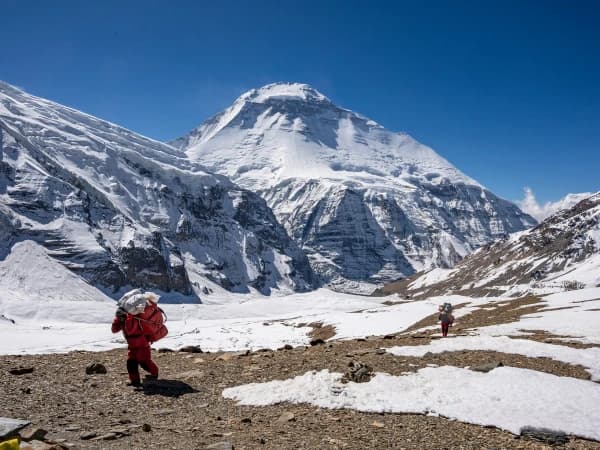
The Dhaulagiri Circuit Trek is one of Nepal’s most spectacular and challenging high-altitude adventures, encircling Mount Dhaulagiri (8,167m) the world’s seventh-highest peak. This remote and rugged trail is designed for seasoned trekkers seeking raw Himalayan wilderness, diverse terrain, and a true sense of expedition. Over 16–18 days, the route takes you across high mountain passes, hidden valleys, glacial basins, and traditional villages untouched by mass tourism.

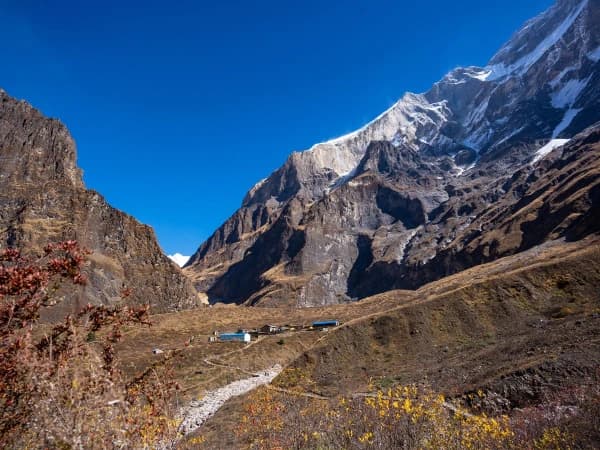
The journey begins in the fertile lowlands of Beni and follows the Myagdi Khola river valley, gradually ascending through terraced farmlands, dense forests of rhododendron and oak, and remote Magar villages where ancient Himalayan life continues unchanged. As you gain altitude, the scenery transforms dramatically, forests give way to moraine and ice, and the towering Dhaulagiri massif dominates the skyline.

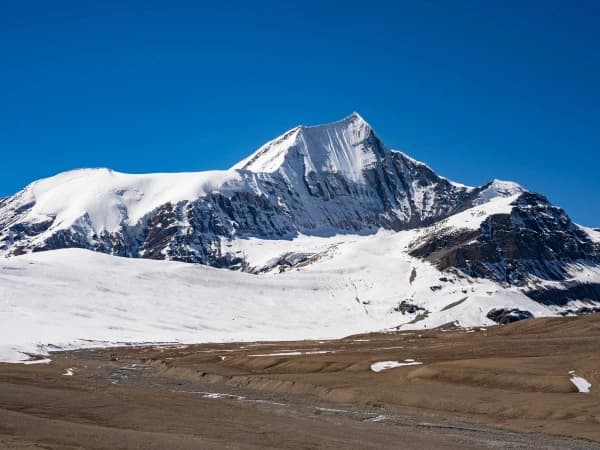
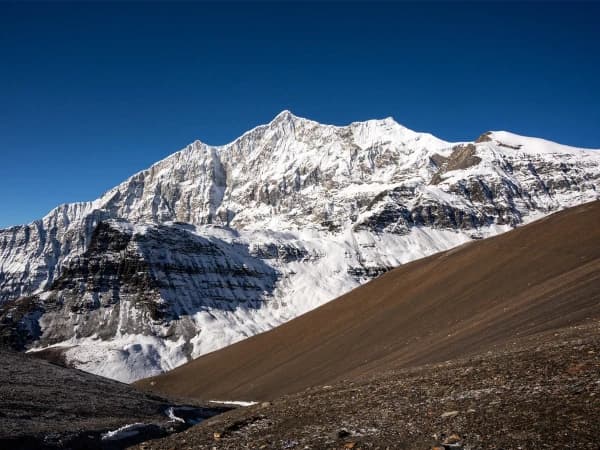
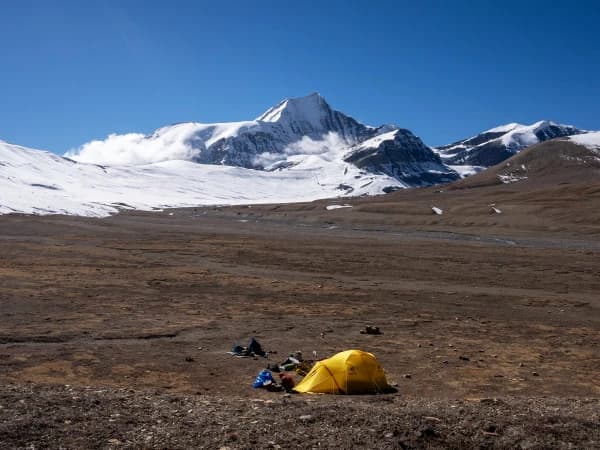
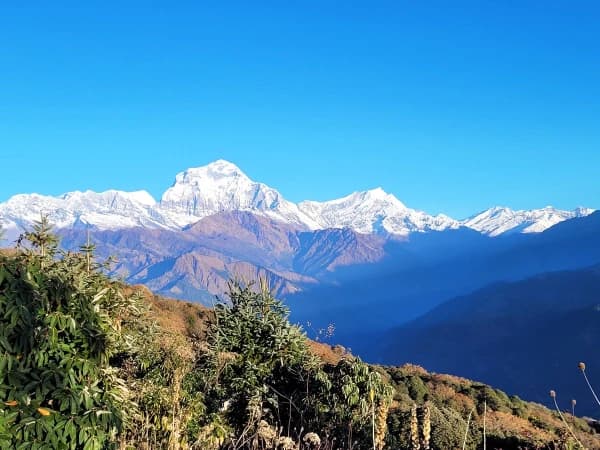
The heart of the trek lies beyond the Italian Base Camp and Dhaulagiri Base Camp, where trekkers traverse the French Pass (5,360m) and Dhampus Pass (5,200m) the two high passes that connect the Dhaulagiri and Annapurna regions. These sections offer surreal panoramas of Dhaulagiri I, II, III, and IV, as well as Tukuche Peak, Nilgiri, and the hidden valley stretching towards Mustang. Nights are often spent camping under a vast canopy of stars, surrounded by glaciers and sheer mountain faces.

Because of its altitude and remoteness, this trek is classified as strenuous and suitable only for trekkers with prior high-altitude experience and good physical fitness. It’s less commercialized than other major routes, meaning fewer trekkers, fewer teahouses, and more authentic wilderness. Yet, this isolation also makes the journey deeply fulfilling a test of endurance, self-reliance, and awe in the face of nature’s grandeur.

Highlights:

  • Encircle Mount Dhaulagiri (8,167m) — the seventh-highest mountain in the world, walking through diverse ecosystems from subtropical forests to alpine glaciers.
  • Cross two major high passes — French Pass (5,360m) and Dhampus Pass (5,200m), offering 360° views of the Dhaulagiri and Annapurna ranges.
  • Experience genuine Himalayan wilderness, trekking through uninhabited valleys, icy moraines, and high glacial camps rarely visited by others.
  • Visit traditional Magar and Thakali villages, gaining insight into ancient Himalayan culture, customs, and hospitality.
  • Camp at Italian Base Camp (3,660m) and Dhaulagiri Base Camp (4,750m), surrounded by towering ice walls and peaks.
  • Enter the Hidden Valley, a secluded and mystical area between Dhaulagiri and Annapurna, rich in legend and spiritual history.
  • Descend through the Kali Gandaki Valley, one of the world’s deepest gorges, ending in the charming Thakali town of Marpha — famous for its apple orchards and local brandy.

What can I expect from the Dhaulagiri Circuit Trek?

Expect adventure in its purest form. Unlike teahouse routes such as Everest or Annapurna, this trek is largely camping-based, requiring strong logistical support. Your days will involve 6–8 hours of trekking across challenging landscapes from lush forests to snow-covered passes — with nights spent in tents set against the most dramatic backdrops imaginable. The trail offers a balance between cultural immersion and raw mountain exploration, taking you through traditional settlements and into vast, isolated wilderness.

Because it is remote, the Dhaulagiri region remains largely untouched by modernization. You’ll experience both the serenity and the hardship of the Himalayas, where every step feels like a return to an older, more primal form of adventure.

Who can do the Dhaulagiri Circuit Trek?

The Dhaulagiri Circuit is best suited for experienced trekkers or mountaineers with previous high-altitude trekking experience (above 4,500m). It involves camping, river crossings, and high passes that can be physically demanding. A good level of stamina, endurance, and mental resilience is essential. While prior technical climbing skills are not required, you should be comfortable trekking in snow and cold conditions.

Iconic Himalaya welcomes those ready to take on the challenge, this trek is one of the most rewarding and awe-inspiring in all of Nepal — a journey that combines the thrill of true expedition with the deep spiritual presence of the Himalayas.
Cost Details
Includes
  • Airport pickup and drop-off service in Kathmandu
  • 3 nights accommodation in Kathmandu with breakfast
  • 1 nights accommodation in Pokhara with breakfast
  • All ground transportation as per the itinerary (tourist bus, private vehicle, or domestic flight where applicable)
  • Full board meals (breakfast, lunch, dinner) during the trek
  • Accommodation in comfortable mountain lodges and teahouses throughout the trek
  • Professional, government-licensed English-speaking guide and experienced porters (1 porter per 2 trekkers; up to 25 kg per porter).
  • Porter to carry luggage (one porter for every two trekkers, max 25 kg combined)
  • All necessary permits: Annapurna Conservation Area Permit (ACAP) and TIMS card; local permits where required
  • First aid kit carried by the guide; pulse oximeter for monitoring
  • All government taxes and official service charges
  • A comprehensive briefing prior to departure
  • Duffel bag for trekking (to be returned after the trek)
  • Emmergency assistance coordination
  • Trek completion certificate
Excludes
  • International airfare to and from Kathmandu
  • Nepal entry visa fee (obtainable on arrival or online).
  • Travel insurance (compulsory; must cover emergency evacuation and high-altitude rescue).
  • Meals in Kathmandu and Pokhara beyond those included
  • All beverages (hot drinks in town, soft drinks, bottled water, alcohol)
  • Personal trekking equipment (unless rented), laundry, phone calls, hot showers or Wi-Fi charges in teahouses.
  • Excess baggage charges on domestic flights.
  • Extra nights in Kathmandu or Pokhara for early arrival, late departure, or emergency/voluntary itinerary changes
  • Tips/gratuities for guides and porters (customary and highly appreciated)
  • Optional trips and sightseeing if extended
  • Any additional costs incurred due to delays, natural disasters, or unforeseen circumstances
  • Any other services that are not listed in the price “included section” of this package
Dates & Availability

The Dhaulagiri Circuit Trek operates mainly during spring (March–May) and Autumn (September–November) the two best trekking seasons in Nepal for stable weather, clear skies, and safe high-pass crossings. Spring (March–May) are ideal conditions with blooming rhododendrons, moderate temperatures, and excellent mountain visibility. Autumn (September–November) brings crystal-clear skies, stable weather, and breathtaking panoramic views of Dhaulagiri, Annapurna, and Nilgiri ranges. Winter (December–February) is extremely cold at higher elevations; not recommended due to heavy snow blocking passes. Monsoon (June–August) is not suitable; landslides and swollen rivers make the trail hazardous.

We offer guaranteed group departures during peak seasons (spring and autumn) and private or customized expeditions for experienced trekkers year-round, weather permitting.

Dhaulagiri Circuit Trek Equipments

The Dhaulagiri Circuit Trek is a fully camping-based, high-altitude expedition that demands thorough preparation. You’ll be traversing glaciers, high mountain passes, and remote valleys with limited facilities, so high-quality gear ensures safety and comfort. Below is a comprehensive packing guide tailored for this rugged region.

Equipment and Accessories Packing List

Bags & Packs

  • Main backpack: 60–70 L capacity (for personal items; durable and weather-resistant).
  • Daypack: 25–30 L for essentials (water, camera, layers, snacks).
  • Duffel bag: For porters to carry; provided by the trekking company.
  • Waterproof covers or dry bags to protect gear from moisture.

Footwear

  • Sturdy, waterproof trekking boots with good ankle support (well broken-in).
  • Lightweight camp shoes or sandals for evenings.
  • Warm, moisture-wicking trekking socks (4–5 pairs).
  • Gaiters for snow and glacier sections.

Clothing

  • Down jacket (warm, lightweight, suitable up to -10°C).
  • Fleece or synthetic insulated mid-layer.
  • Waterproof and windproof shell jacket and trousers (Gore-Tex or similar).
  • Thermal base layers (top and bottom) for cold nights.
  • Trekking shirts (quick-dry, breathable).
  • Trekking trousers and one pair of lightweight pants for camp.
  • Warm hat/beanie, sun hat, buff/scarf, and gloves (inner and insulated pair).
  • Extra underwear and socks.

Sleeping & Bedding

  • Sleeping bag rated to at least -15°C (essential; can be rented).
  • Sleeping pad or inflatable mattress (optional for extra comfort).
  • Pillowcase or inflatable pillow.

Gadgets & Accessories

  • Sunglasses with UV protection and glacier lenses.
  • Sunscreen (SPF 40+) and lip balm with UV protection.
  • Headlamp with spare batteries.
  • Trekking poles (mandatory for stability on ice and descents).
  • Water bottles (2 × 1L) or hydration bladder.
  • Water purification tablets or filter system.
  • Power bank or solar charger (no charging points during camping).
  • Personal toiletries, wet wipes, and toilet paper.
  • Personal repair kit (duct tape, safety pins, needle/thread).

Medical & First Aid

  • Personal prescription medications.
  • High-altitude medicine (Diamox or as advised by your doctor).
  • First aid kit with antiseptics, painkillers, blister care, and rehydration salts.
  • Sunscreen, lip protection, and insect repellent for lower regions.

Women-Specific

For women trekkers, carry trusted feminine hygiene products, hand sanitizer, and moisturizer. The camping trek involves remote locations with limited facilities, so personal hygiene and comfort products should be self-sufficient for the entire duration. A light shawl or scarf is useful when visiting local villages en route.

Essential Information

Dhaulagiri Circuit Trek Difficulty

The Dhaulagiri Circuit Trek is one of Nepal’s most challenging and rewarding treks, ideal for experienced trekkers seeking adventure off the beaten path. The route circles the world’s seventh-highest mountain, Mt. Dhaulagiri (8,167m), and involves multiple high passes, glacial traverses, and remote camping in rugged alpine terrain.

Trekkers must be prepared for long walking days (6–8 hours), steep ascents and descents, and altitudes exceeding 5,000 meters. The trail includes glacier crossings (French Pass at 5,360m and Dhampus Pass at 5,200m), so physical fitness, stamina, and mental resilience are essential.

Prior experience in high-altitude trekking or mountaineering greatly enhances safety and enjoyment. This trek rewards its challenges with extraordinary solitude, immense Himalayan views, and a profound sense of accomplishment.

Altitude Sickness & Remedies

Altitude sickness (Acute Mountain Sickness or AMS) is a real concern on the Dhaulagiri Circuit due to the rapid elevation gain after Italian Base Camp. 

Our itinerary includes acclimatization days and gradual ascents to minimize risks, but trekkers should stay alert to symptoms like headache, dizziness, and nausea.

Prevention Tips:

  • Hydrate well (3–4 liters per day).
  • Ascend slowly and rest when needed.
  • Eat well and avoid alcohol or sleeping pills.
  • Inform your guide immediately of any discomfort.
  • Diamox (acetazolamide) may be taken as a preventive measure after medical consultation.
  • Guides carry a first aid kit and are trained to manage AMS, with arrangements for emergency evacuation by helicopter if required.

Travel Insurance

Comprehensive travel insurance is mandatory for the Dhaulagiri Circuit Trek.
Your policy must cover:

  • Trekking up to 6,000m.
  • Emergency helicopter evacuation.
  • Trip cancellations or interruptions.
  • Medical expenses and hospitalization abroad.

Please carry a copy of your insurance certificate and provide policy details before departure. Without it, participation in the trek may not be permitted.

Training for the Trek

The Dhaulagiri Circuit Trek demands a high level of physical fitness and endurance. Start training at least 8–10 weeks before departure, focusing on cardio exercises (running, cycling, hiking, swimming), strength training (legs, back, and core), stair climbing or hill walking with a loaded backpack.

If possible, practice multi-day hikes to get used to consecutive walking days and camping. Mental preparation is equally important expect unpredictable weather, rough terrain, and remote conditions.

Best Time & Weather Notes

The Dhaulagiri region lies in the rain shadow of the Himalayas, but due to high altitude and glacier crossings, weather can be extreme. Stable weather, blooming rhododendrons in lower altitudes, and excellent visibility during spring (March–May). Snow remains on higher passes but generally navigable. Autumn (September–November) is the most popular season with clear skies, mild temperatures, and stunning Himalayan panoramas. Winter (December–February) is not recommended; deep snow makes passes impassable. Monsoon (June–August) is avoidable; trails are slippery, and access roads often blocked by landslides.

For most trekkers, April–May and October–mid-November are the best months for safe crossings and optimal conditions.

Food & Accommodation on the Trek

Unlike teahouse treks, the Dhaulagiri Circuit is a fully camping expedition. Our support team carries all supplies, sets up camps, and prepares fresh meals daily. Expect a mix of Nepali and continental dishes like dal bhat, soups, rice, pasta, potatoes, vegetables, and occasional eggs or meat when available. Breakfast typically includes porridge, pancakes, tea, or coffee. Meals are freshly prepared and hygienic, designed to maintain energy at high altitude. Tented camps are set up each night in designated spots complete with dining, sleeping, and toilet tents. Sleeping tents are equipped with insulated mats and sleeping bags (or you may bring your own).
Before and after the trek, accommodation in Kathmandu is provided at a comfortable hotel with breakfast.

Camping under starlit skies surrounded by towering peaks makes this trek truly unforgettable raw, remote, and authentic Himalayan exploration.

Nutshell

  • Max Altitude: 5,360 m (French Pass)
  • Duration: 18–21 Days (Kathmandu–Kathmandu)
  • Trekking Duration: 15–17 Days (Pokhara–Pokhara)
  • Terrain: Forested valleys, high alpine passes, glaciers, and remote mountain villages.
  • Average Daily Walking: 6–8 hours
  • Accommodation: Camping throughout the trek; hotels in Kathmandu
  • Food: Full-board meals (freshly cooked at camps)
  • Permits: Dhaulagiri Restricted Area Permit, Annapurna Conservation Area Permit (ACAP)
  • Emergency: Helicopter evacuation available (covered by insurance)
  • Trek Grade: Strenuous
  • Fitness Level: High fitness and prior trekking experience required
  • Highlights: Remote wilderness, views of Dhaulagiri I–V, French Pass & Dhampus Pass crossings, Hidden Valley, cultural encounters in Magar villages, and pure Himalayan solitude.
Speak to an Expert+977 9851130654
Need Help? Call Us+977 9851130654