
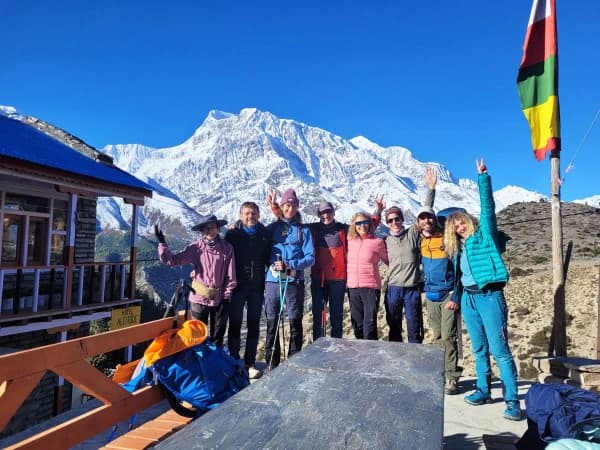
The Annapurna Trek via Nar-Phu Valley is a unique journey that combines high-altitude adventure with a rare glimpse into timeless, traditional Tibetan culture. Often called one of the most remote and culturally rich treks in Nepal, it explores hidden villages, dramatic landscapes, and high passes in the northern Annapurna region. Unlike the more frequented Annapurna routes, this trek offers solitude, authenticity, and a sense of discovery, perfect for travelers seeking adventure off the beaten path.
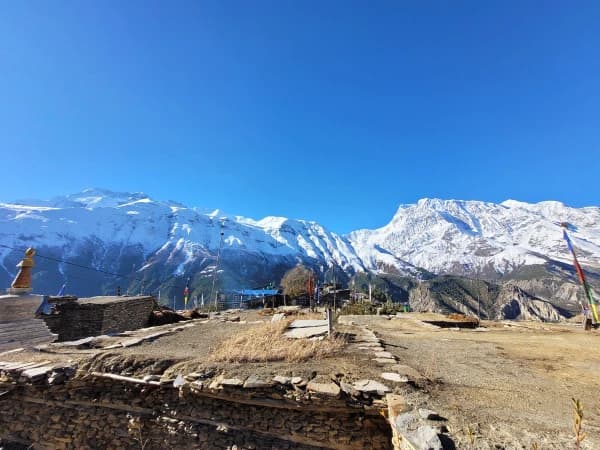
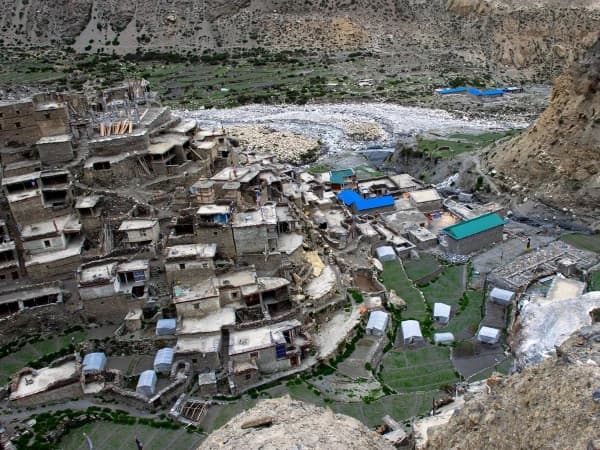
Nar and Phu are ancient villages where centuries-old Tibetan customs, prayer flags, monasteries, and traditional stone houses remain largely untouched. The trail passes through rugged valleys, high-altitude deserts, and terraced fields, with panoramic views of Annapurna II, Lamjung Himal, and Nilgiri. The Nar Phu Valley is not just a trek – it is a passage into a living mountain world.
This trek is ideal for fit and adventurous travelers who have previous trekking experience or are comfortable with high-altitude trekking. It is a journey that challenges both body and mind but rewards with unforgettable scenery and cultural immersion.
Highlights
- Explore two separate medieval Tibetan-influenced villages, Nar and Phu, renowned for their preserved architecture, ancient monasteries, and authentic Indigenous lifestyles unchanged for centuries.
- Trek through one of Nepal’s least-crowded routes, offering solitude, serenity, and a deeply personal experience far from mainstream trekking paths.
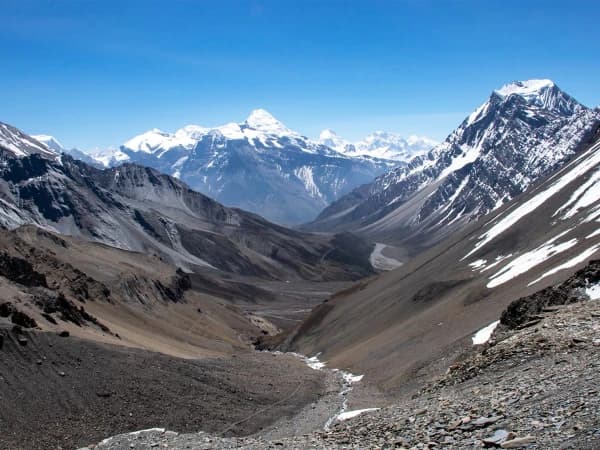
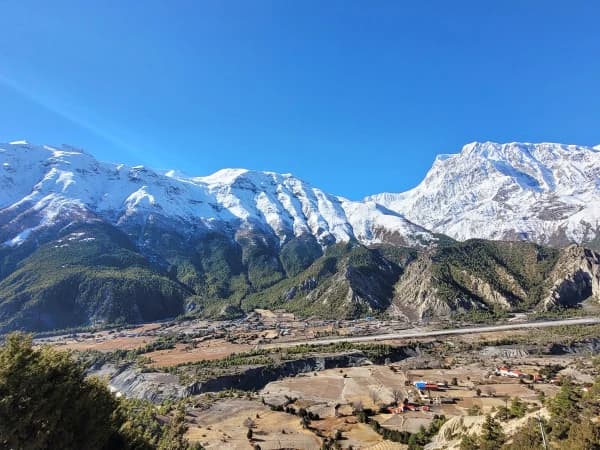
- Witness striking contrasts as the trail moves from lush green valleys and alpine forests to high-altitude desert terrain, rugged cliffs, and barren rocky landscapes.
- Enjoy breathtaking views of Annapurna II, III, and IV, Gangapurna, and Tilicho Peak, with unforgettable sunrise and sunset moments from high camps.
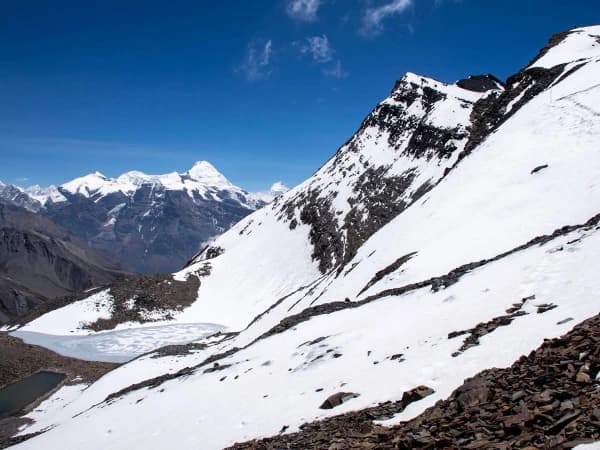
- Cross the challenging Kang La Pass, rewarded with sweeping panoramic views of the Annapurna range and surrounding Himalayan giants.
- Encounter prayer flags, mani walls, chortens, sacred caves, and hermitages, including a visit to the revered Phu Monastery, a vital spiritual center for the region.
- Trek through biodiverse landscapes with chances to spot Himalayan wildlife such as blue sheep (and, rarely, snow leopards), alongside crystal-clear mountain streams and natural springs.
What can I expect from the Annapurna Nar-Phu Valley Trek?
This trek is a blend of adventure, culture, and solitude. Trekkers will navigate well-marked trails that wind through remote valleys and rugged passes. The journey includes subtropical forests, alpine meadows, and high-altitude deserts. Every day brings new vistas: snow-capped peaks, gushing streams, stone bridges, grazing yaks, and Tibetan-style villages perched on cliffs.
The Nar-Phu Valley Trek is excellent for photography, particularly during early morning light and at sunset, when the mountains glow against the high-altitude desert backdrop. Accommodation in family-run lodges is cozy, and meals are hearty, providing energy for long days at elevation. The trek combines physical challenge with cultural enrichment, leaving travelers with a profound appreciation of Nepal’s hidden Himalayan world.
Major Attractions of the Annapurna Nar-Phu Valley Trek
Your journey begins in Kathmandu, the bustling capital, rich in temples, markets, and history. From here, a scenic drive takes you to Besi Sahar and then to Koto, the gateway to the northern Annapurna region.
Once on the trail, you’ll pass through ancient villages including Meta, offering Tibetan-style architecture and monasteries. As you ascend, the trail becomes more rugged, leading to the isolated Nar and Phu villages, where time has stopped, and traditional customs remain strong. The trek crosses Kang La Pass, providing unmatched panoramic views of Annapurna II, Gangapurna, and Tilicho Peak. The descent through via Manang leads back to familiar Annapurna valleys and eventually to Besi Sahar, and then back to Kathmandu.
Who can do the Annapurna Nar-Phu Valley Trek?
This trek is designed for trekkers with moderate to advanced fitness and prior trekking experience at high altitude. Iconic Himalaya welcomes solo travelers, couples, and small groups seeking adventure, culture, and solitude. While physically demanding, the reward is a rare glimpse into a way of life that has remained unchanged for centuries, coupled with dramatic Himalayan scenery.
