Annapurna Circuit Trek

Duration
16 Days
Trip Grade
Strenuous
Country
Nepal
Maximum Altitude
5,416 m.| 17,769 ft.
Group Size
2 to 20 People
Starts/Ends
Dharapani - Pokhara
Communication
Phone and Wi-Fi
Activities
Trekking
Best Time
Autumn and Spring

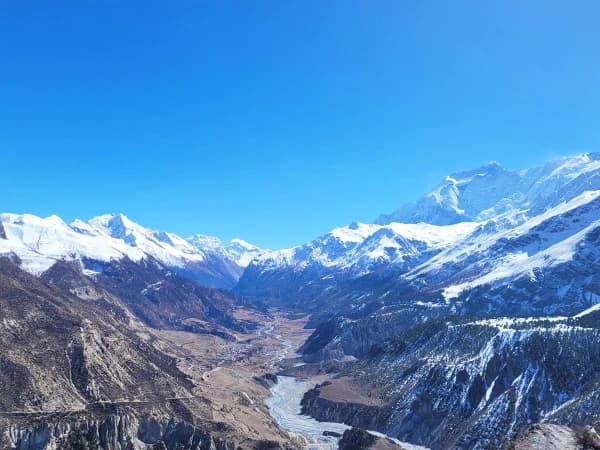
The Annapurna Circuit Trek is one of Nepal’s most iconic and immersive journeys, a Himalayan adventure that encapsulates the country’s astonishing natural beauty, cultural diversity, and high-mountain experiences in one unforgettable loop. Often described as the “grand tour of the Annapurnas,” this trek takes you through subtropical forests, terraced farmlands, deep river valleys, high alpine plateaus, and across the legendary Thorong La Pass (5,416m) one of the highest trekking passes in the world.

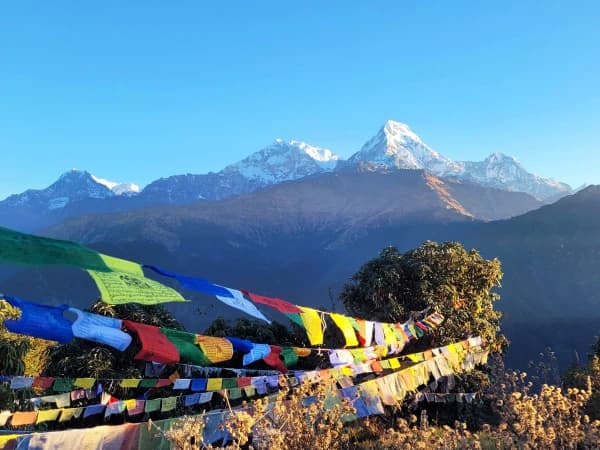
Unlike shorter treks, the Annapurna Circuit is an odyssey of contrasts: you’ll experience the warmth of riverside villages, the crisp serenity of snow-dusted peaks, and the subtle rhythms of mountain life that have endured for generations. With each day, the trail reveals new landscapes, cultures, and vistas, culminating in sweeping panoramas of Annapurna I, Dhaulagiri, Machhapuchhre (Fishtail), and Lamjung Himal.

This trek is ideal for travelers seeking both adventure and cultural immersion, offering a balance of moderate daily walking, diverse scenery, and encounters with Gurung, Thakali, and Manang communities who uphold centuries-old traditions.

Highlights

  • Cross Thorong La Pass (5,416 m) and descend to the sacred site of Muktinath, witnessing spiritual practices that blend Hindu and Buddhist traditions.
  • Trek through a mix of ecosystems, from subtropical river valleys and terraced farms to high alpine deserts and snow-capped ridges.
  • Visit traditional villages like Chame, Pisang, Manang, and Kagbeni, observing Gurung, Thakali, and Tibetan-influenced architecture and lifestyles.
  • Relax and rejuvenate in Tatopani’s natural hot springs, a perfect reward after long ascents.
  • Capture panoramic Himalayan views, including Annapurna I (8,091 m), Dhaulagiri (8,167 m), Machhapuchhre (6,993 m), and Lamjung Himal.
  • Experience the adventure of a lifetime with trekking days that are challenging but accessible to moderately fit travelers.

What can I expect from Annapurna Circuit Trek?

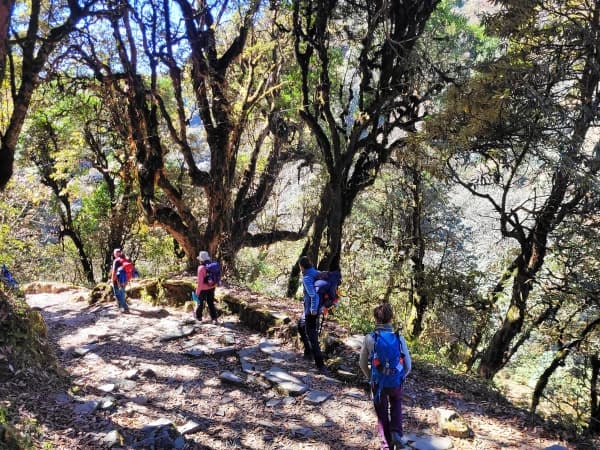
The Annapurna Circuit is a journey of gradual transformation. You begin in the lush lowlands, walking along rivers and past terraced fields, then climb to pine- and rhododendron-covered ridges. Villages along the way offer glimpses of daily life — farmers tending crops, children in bright school uniforms, monks chanting in cliffside monasteries.

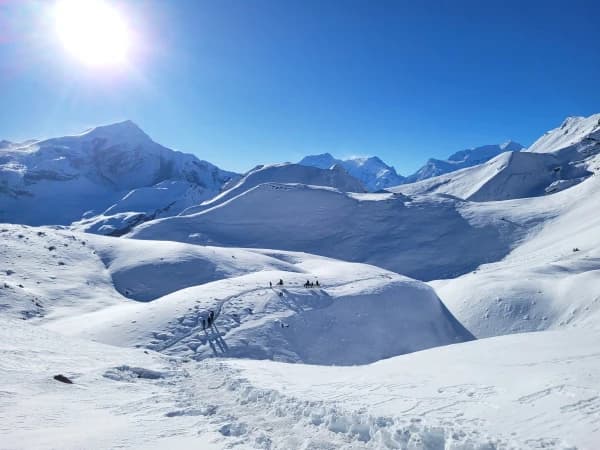
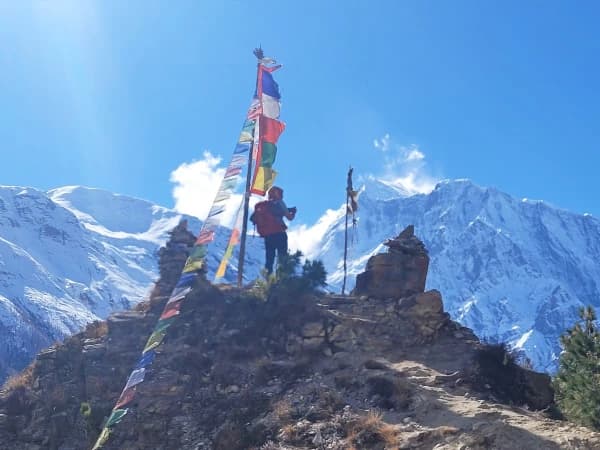
As the trek ascends, the air becomes crisp and thin, and the landscape transitions to high desert plateaus reminiscent of Tibet. Crossing Thorong La Pass is a dramatic highlight: an early-morning climb rewarded with vast panoramas, fluttering prayer flags, and the profound satisfaction of standing above the clouds. The descent into Muktinath valley and the lower Mustang-like settlements introduces a gentler pace, allowing you to reflect on the journey while exploring ancient temples and local culture.

Throughout the trek, teahouses provide warmth, comfort, and hearty Nepali meals — dal bhat, noodles, soups, and Tibetan-style momos. Each evening offers a chance to rest, share stories with fellow trekkers, and watch the sky shift colors over jagged peaks.

Major Attractions of the Annapurna Circuit Trek

Your journey begins in Kathmandu, Nepal’s vibrant and historic capital. Here, the streets hum with energy, markets overflow with colors, and ancient temples whisper stories of centuries past. The city is a living museum of culture, art, and spirituality, offering a fascinating prelude to the Himalayan adventure that awaits.

From the bustle of Kathmandu, you travel to Pokhara, a tranquil lakeside town framed by the majestic Annapurna range. The serenity of Phewa Lake, mirrored mountain reflections, and gentle lakeside walks provide the perfect calm before stepping onto the trail. Pokhara is not just a gateway; it’s a place to breathe deeply, absorb the mountain vistas, and prepare for the days ahead.

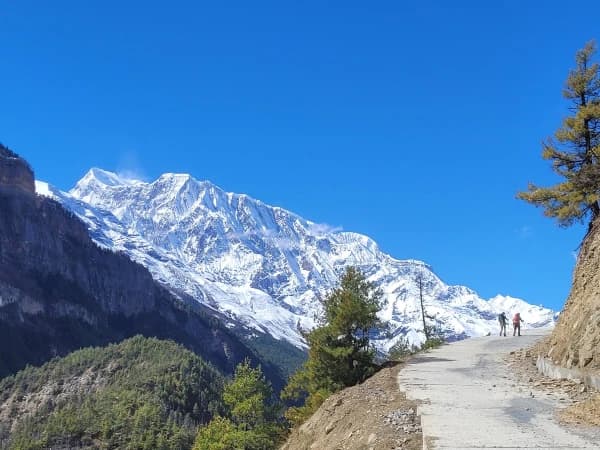
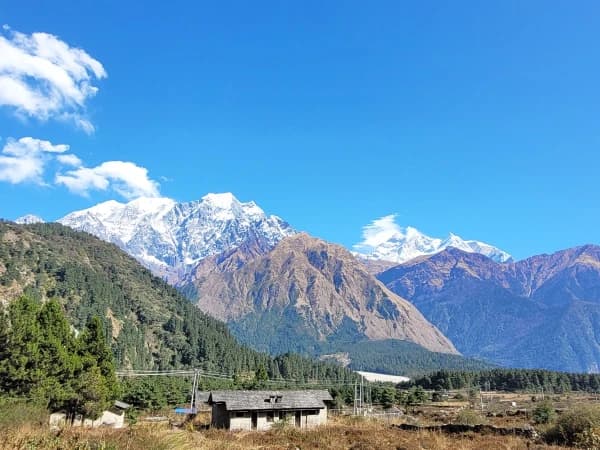
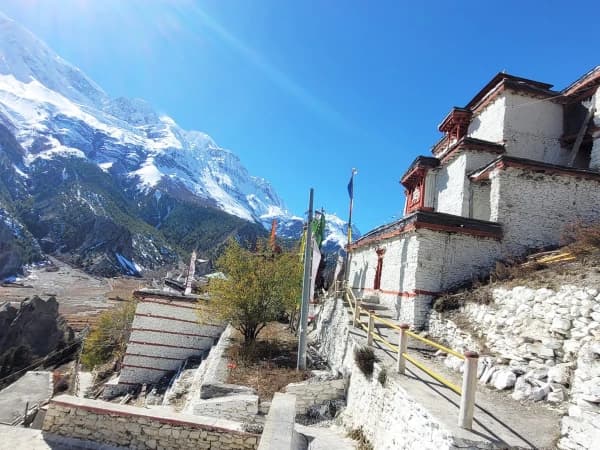
As you begin the trek, villages like Chame and Pisang appear along the trail. These settlements are a harmonious blend of terraced fields, traditional stone houses, and panoramic views of snow-capped peaks. The upper village of Pisang, in particular, offers breathtaking vistas of Annapurna II, inspiring awe and a sense of the grandeur that lies ahead.

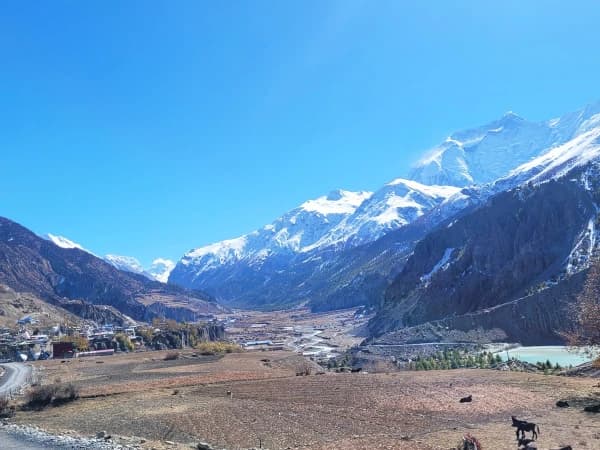
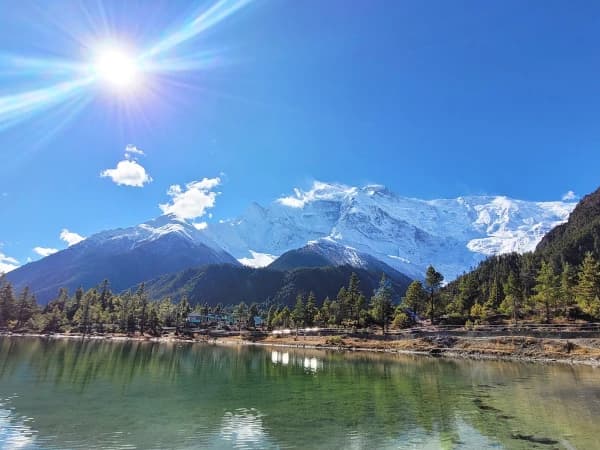
Continuing into higher elevations, you reach Manang, a charming high-altitude village nestled among the alpine landscape. Here, acclimatisation is part of the adventure. Short hikes to Gangapurna Lake, visits to local monasteries, and quiet observation points allow your body to adjust while offering intimate encounters with the Himalayan environment. The village itself is a treasure trove of culture, with welcoming locals and traditional stone architecture.

The trek’s pinnacle is the crossing of Thorong La Pass, where the sunrise illuminates the surrounding peaks in golden light. Standing at 5,416 meters, the pass is a moment of triumph and reflection, the kind of place where the mountains feel infinite and the effort to reach them is richly rewarded.

Descending from the pass, you arrive at Muktinath, a sacred temple complex revered by both Hindus and Buddhists. Further along, the villages of Kagbeni and Marpha transport you to the cultural world of Mustang. Narrow alleys wind through stone houses, apple orchards flourish, and the atmosphere evokes a timeless Himalayan tradition, where the rhythms of daily life have remained unchanged for generations.

A welcome change of pace comes at Tatopani, where natural hot springs provide a soothing haven for relaxation. Immerse yourself in warm, mineral-rich waters while the mountains rise around you—a perfect reward for tired legs and a moment to soak in the journey so far.

Finally, your trek concludes back in Pokhara, where you can wander along Phewa Lake, reflect on the landscapes traversed, and savor the memories of a journey that spans verdant valleys, high passes, sacred sites, and timeless villages. Here, the mountains linger in your mind long after the walk is over, leaving an indelible impression of Nepal’s Annapurna Circuit.

Who Can Do the Annapurna Crircuit Trek

The Annapurna Circuit is open to anyone with a moderate level of fitness and a sense of adventure. It is suitable for first-time trekkers with some preparation, as well as experienced hikers seeking extended high-altitude experience. Daily walks range from 5–7 hours, with shorter acclimatisation days in Manang to prevent altitude sickness. The trek accommodates solo travelers, couples, families, and small groups.

Guides and porters provide essential support, ensuring safety, cultural insights, and logistical ease. 
Annapurna Circuit Trek Itinerary
Dharapani - PokharaExpand all

Welcome to Kathmandu, Nepal’s vibrant capital, where ancient temples, bustling markets, and rich cultural heritage blend seamlessly with modern life. Upon arrival, a representative from Iconic Himalaya will greet you at the airport and escort you to your hotel. After settling in, you’ll receive a personal briefing about your trek, including the route, permits, and essential tips for your Himalayan adventure. Later, enjoy a delicious meal and, if you wish, take a short stroll through the lively streets of Thamel, soaking in the city’s unique energy.

Kathmandu Valley is home to four UNESCO World Heritage Sites, each brimming with history and culture. You can explore the historic palace squares of Kathmandu, Patan, and Bhaktapur, marveling at intricately carved woodwork, ancient courtyards, and pagoda-style temples. Visit revered religious sites such as Pashupatinath Temple, Swayambhunath Stupa, and Boudhanath Stupa, learning about the legends, rituals, and traditions from your guide. Enjoy a traditional Nepali thali or savor momos, Nepal’s beloved dumplings, as you prepare for your trek.

After breakfast, we set off on a comfortable drive, a scenic journey of about 7-8 hours. The route winds past terraced fields, rivers, and small hill towns, meandering along the Trishuli and Marshyangdi Rivers. Arrive at Besisahar for lunch. By late afternoon Dharapani’s pine-scented slopes settle you into the rhythm of trail life.

From Dharapani, we embark on our trail towards the heart of the Annapurna. We walk along the Marshyangdi River, following a wide trail which passes through small villages enroute. We arrive at Chame, the headquarter of Manang District in the afternoon, and are greeted by a line of prayer wheels, which we can turn as we enter the village.

Leaving Chame, the trail ascends into alpine terrain, with breathtaking views of Annapurna II, Gangapurna, and Pisang Peak. You’ll pass traditional stone houses and monasteries, witnessing daily life at high altitude. We also pass by several apple farms, and in Bhratang, we can visit the local apple farm, enjoy a cup of delicious apple juice, or a glass of apple wine. 

Today we choose the high route through Ghyaru and Ngawal, a route that rewards the extra steps with sweeping ridgeline views and stone villages perched atop mountains. We arrive in Manang as the air becomes thin and the landscape opens into a cold, precise light. This village is a place of long winters and patient people, teahouse kitchens simmer yak butter tea, and conversation drifts to stories of snow and impossible winters.

Today, we let our bodies acclimatize, while exploring the village of Manang. We take a short hike to Gangapurna Lake, a slow visit to the monastery in Braga, and a stop at the Himalayan Rescue Association station where guides speak openly about acclimatization. 

Leaving Manang, the trail climbs gradually past highland meadows, yak pastures, and scattered stone houses. You’ll trek about 5–6 hours to Yak Kharka, a quiet settlement at over 4,000 meters, where yak herders provide insight into traditional pastoral life. The serene alpine setting, fresh mountain air, and views of Annapurna III and Tilicho Peak make this a memorable day.

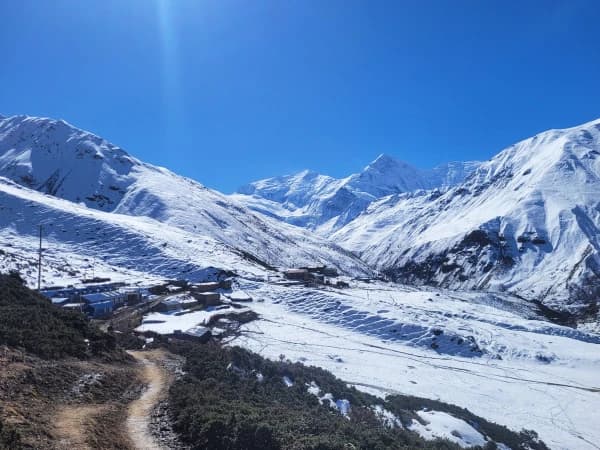
A short, steady day brings us to the last settlement before Thorong La Pass. The wind scours the slopes, the stone huts cluster against weather, and guides compare notes about the next morning. You rest early in preparation for a long day tomorrow.

We set out before dawn with our headlamps, as we slowly climb towards the Thorang La Pass at 5,460 metres to catch the sunrise. Once at the pass, we are treated to a spectacular view of the surrounding peaks. Enjoy the mesmerizing view as prayer flags flutter in the background. 

We then begin our descent into Muktinath, passing shrines and pilgrims, arriving at a temple complex whose 108 spouts and quiet rituals offer a kind of mountain absolution.

Kagbeni feels older than most places: narrow alleys, time-softened walls, and an air of desert cool. This gateway to Mustang brings you back into a different light with more sun, more stone, and the feeling that civilizations once moved along these very paths. Walk slowly; the village rewards those who look into courtyard life and listen to people talk about river seasons.

Apple trees and tidy orchards mark the approach to Marpha. This tidy Thakali town smells faintly of pastries like apple pies, cider. Houses wear white lime wash, and the town has an improbable, comforting sense of order after high mountain austerity.

As we move ahead, we notice the change in scenery – the land becomes greener, leaving th iconic arid dry land of Mustang. We arrive at Ghasa in the evening, back to the hills, and are surrounded by forests and springs, and a slightly faster pace of life.

You arrive in Tatopani smelling of earth and steam, a word that in Nepali means “hot water.” The natural springs are therapeutic; soak into mineral warmth and let muscled memories of Thorong La dissolve. It’s a gentle, restorative night.

You rejoin the road and ride the valley down to Pokhara, a town that unfolds like a lakeside painting. Phewa Lake’s glass reflects Machhapuchhre’s peak like a postcard. This afternoon is for long coffees, lazy boat rides, and the unscheduled possibilities of town life.

On the way back to the capital, the valleys pass like a film about the places you’ve been. In Kathmandu there are last-minute markets, and the city’s noise feels pleasantly familiar, a final night to gather gifts, write postcards, and sleep in a bed that doesn’t creak.

It’s time to say goodbye – for now. After breakfast, Iconic Himalaya team member will escort you to the airport in time for your flight. 

We hope your time in Nepal has left you with unforgettable memories, new friendships, and a deep connection to the mountains. Until next time — namaste and safe travels.

Unable to locate what are you seeking?Download brochure or customize your trip.
Customize Trip
Cost Details
Includes
  • Airport pickup and drop-off service in Kathmandu
  • 2 nights accommodation in Kathmandu with breakfast
  • 1 nights accommodation in Pokhara with breakfast
  • All ground transportation as per the itinerary (tourist bus, private vehicle, or domestic flight where applicable)
  • Full board meals (breakfast, lunch, dinner) during the trek
  • Accommodation in comfortable mountain lodges and teahouses throughout the trek
  • Professional, government-licensed English-speaking guide and experienced porters (1 porter per 2 trekkers; up to 25 kg per porter).
  • Porter to carry luggage (one porter for every two trekkers, max 25 kg combined)
  • All necessary permits: Annapurna Conservation Area Permit (ACAP) and TIMS card; local permits where required
  • First aid kit carried by the guide; pulse oximeter for monitoring
  • All government taxes and official service charges
  • A comprehensive briefing prior to departure
  • Duffel bag for trekking (to be returned after the trek)
  • Emmergency assistance coordination
  • Trek completion certificate
Excludes
  • International airfare to and from Kathmandu
  • Nepal entry visa fee (obtainable on arrival or online).
  • Travel insurance (compulsory; must cover emergency evacuation and high-altitude rescue).
  • Meals in Kathmandu and Pokhara beyond those included; all beverages (hot drinks in town, bottled water, alcohol).
  • Personal trekking equipment (unless rented), laundry, phone calls, hot showers or Wi-Fi charges in teahouses.
  • Excess baggage charges on domestic flights.
  • Extra nights in Kathmandu or Pokhara for early arrival, late departure, or emergency/voluntary itinerary changes.
  • Tips/gratuities for guides and porters.”
  • Optional trips and sightseeing if extended
  • Any additional costs incurred due to delays, natural disasters, or unforeseen circumstances
  • Any other services that are not listed in the price “included section” of this package.
Dates & Availability

The Annapurna Circuit Trek operates year-round, offering spectacular scenery and cultural experiences in every season. Spring (March–May) is particularly stunning, with rhododendrons in full bloom, mild temperatures, and crisp, clear mountain views. Autumn (September–November) is the most popular trekking season, with stable weather, warm days, and unobstructed vistas of the Annapurna and Dhaulagiri ranges. Winter (December–February) brings colder temperatures and occasional snow at higher altitudes, but the trails are quieter, offering a peaceful trekking experience with serene landscapes. During the Monsoon (June–August), the valleys and forests are lush and green, though sporadic rainfall and occasional muddy trails may slow your pace.

We offer guaranteed departures every week during the peak spring and autumn seasons, as well as private and customized departures available throughout the year, allowing you to plan the trek according to your schedule and preferences.

Note

  • Itinerary can change due to weather, road conditions, or health reasons. Buffer days are recommended for safety.
  • A deposit (commonly 25%) is required for booking confirmation; the balance follows operator policy.
Annapurna Circuit Trek Equipments

Equipment and accessories ensure safety, comfort, and success on the Annapurna Circuit, a route that moves from warm valleys to high passes. Below is a detailed packing list adapted specifically for this trek.

Equipment and Accessories Packing List

Bag & Packs

  • Main backpack: 40–55 L capacity (comfortable hip belt, ventilated back).
  • Daypack: 20–25 L for daily essentials (water, camera, warm layers, snacks).
  • Duffel bag: for porter to carry the main luggage.

Footwear

  • Lightweight, waterproof trekking boots with ankle support.
  • Comfortable camp shoes or sandals for evenings.
  • Trekking socks (2–3 pairs, moisture-wicking).

Clothing

  • Lightweight down or insulated jacket for early mornings and evenings.
  • Fleece or mid-layers (1–2).
  • Waterproof, breathable shell jacket.
  • Thermal base layers (top & bottom) during colder months.
  • Quick-dry trekking shirts and long-sleeve tops.
  • Trekking pants and a spare pair of lightweight trousers.
  • Warm hat/beanie, sun hat, and gloves (light and insulated pair).
  • Buff or scarf for dust and wind protection.

Sleeping & Bedding

  • Sleeping bag rated to 0°C to -5°C (can be rented if needed).
  • Lightweight liner for added hygiene and warmth.

Gadgets & Accessories

  • Sunglasses (UV protected) and sunscreen (SPF 30+).
  • Headlamp with spare batteries.
  • Trekking poles (recommended for steep descents).
  • Reusable water bottles (2 × 1 L) or hydration bladder.
  • Water purification tablets or filter.
  • Power bank and charger (limited charging options in lodges).
  • Personal toiletries, quick-dry towel, and toilet paper.
  • Small repair kit (needle/thread, duct tape) and plastic bags for waterproofing.

Medical & First Aid

  • Personal prescription medicines.
  • Small personal first aid kit (pain relievers, blister plasters, antiseptic wipes, etc.).
  • Antidiarrheal and oral rehydration salts.
  • Sunscreen lip balm (SPF 15+).

Women-Specific

For women trekkers, the Annapurna Circuit Trek offers not only breathtaking landscapes but also a journey of empowerment, independence, and cultural discovery. Many of the villages along the route are run or supported by women, and their warm hospitality ensures a safe and welcoming environment. Along the way, you’ll meet local Sherpa, Gurung, and Magar women who maintain traditional lifestyles while managing homestays, lodges, and small businesses—an inspiring glimpse into life in the Himalayas.

To make your trek comfortable and convenient, we recommend bringing trusted feminine hygiene products, moisturizers, and lip balm with SPF, along with wet wipes for long trekking days. A light shawl or scarf is also useful for visits to monasteries, temples, or traditional households, where modesty is respected and appreciated.

Our guides and staff are trained to ensure that female trekkers feel secure and supported at every stage of the journey. Whether you’re traveling solo, with friends, or in a small group, the Annapurna Circuit Trek provides a safe, engaging, and enriching experience for women of all ages. Trekking through the Himalayas as a woman on this route is not just a physical adventure, but a personal journey of connection, resilience, and self-discovery.

Prescription Medicine and First Aid

Carry all regular prescriptions for the entire trip. Our guides are equipped with a group first aid kit, but trekkers are responsible for their personal medications or chronic condition treatments.

Essential Information

Annapurna Circuit Trek Difficulty

The Annapurna Circuit Trek is a moderate to challenging trek due to its length and altitude, with a maximum elevation at Thorong La Pass (5,416 m). While no technical climbing skills are required, a reasonable level of fitness, stamina, and preparation for high-altitude trekking are essential. Walking averages 5–7 hours daily, often on stone steps, ridges, and rocky trails. Proper acclimatization and pacing are key to a safe and enjoyable trek.

Altitude Sickness & Remedies

High altitude is a real factor. The itinerary includes acclimatization days (notably in Manang) to reduce risk. Symptoms vary: mild headaches, shortness of breath, and fatigue are common; severe signs (HACE/HAPE) require immediate descent. Key measures:

  • Hydrate liberally (3–4 L/day).
  • Walk slowly, respect acclimatization days.
  • Communicate symptoms to your guide immediately.
  • Diamox is an option only after doctor consultation.
  • Evacuation is arranged if necessary; travel insurance must cover helicopter rescue.

Travel Insurance

Comprehensive insurance that covers emergency helicopter evacuation and high-altitude rescue is mandatory. Confirm that your policy covers altitudes up to at least 6,000 m and includes trip cancellation.

Training Recommendations

Prepare 6–8 weeks prior with cardio (walking, stair climbing, cycling) and weighted hikes. Strengthen legs and core for long descents.

Best Time & Weather Notes

The Annapurna Circuit Trek can be completed year-round, but the seasons dramatically affect the experience. Spring (March–May) brings rhododendrons in full bloom, crisp air, and clear mountain views. Autumn (September–November) is the most popular, with warm days, stable skies, and unobstructed panoramas. Winter (December–February) is colder and quieter, ideal for travelers seeking solitude, while monsoon season (June–August) brings lush green valleys but occasional rain and muddy trails.

Food & Accommodation

Throughout the trek, you’ll stay in cozy, family-run teahouses and lodges, where warmth and hospitality are part of the experience. Rooms are simple, often with twin beds and thick blankets, and shared bathrooms are the norm. Hot showers are available at most stops for a small fee.

Meals include fresh, hearty local fare: dal bhat (rice and lentils), noodles, soups, momos, and occasionally baked treats like apple pie. Each meal is prepared with care, ensuring you are well-fueled for the next day’s hike.

In Pokhara and Kathmandu, accommodation is in comfortable hotels with breakfast included, providing a restful start and finish to your journey.

Nutshell

  • Max Altitude: 5,416 m (Thorong La)
  • Duration: 17 Days (Kathmandu–Kathmandu)
  • Terrain: River valleys, forests, high alpine plateau, moraine and pass crossings.
  • Average Daily Walking: 5–7 hours.
  • Accommodation: Teahouses on trail; hotels in Kathmandu and Pokhara.
  • Food: Nepali, Tibetan, and simple continental options.
  • Permits: ACAP & TIMS card.
  • Emergency: Helicopter evacuation available (insurance-covered).
  • Trek Grade: Moderate to Challenging.
  • Highlights: Thorong La, Muktinath, Mustang-style villages, Kali Gandaki gorge, and high Himalayan panoramas.
Annapurna Circuit Trek FAQs

It sits between moderate and challenging. The daily walking hours are not extreme but the altitude and long descent after Thorong La make it tougher. Unlike short, low-altitude treks, the Circuit requires sustained cardiovascular fitness and strong legs for extended descents. However, with the acclimatization days built in and steady pacing, most fit, motivated trekkers succeed.

First timers can do it if they prepare well and accept a measured pace. Prior hiking experience is helpful, but the bigger challenge is managing altitude. If you train (6–8 weeks of cardio and hikes), follow guide instructions, and honor acclimatization days, the Circuit is feasible for a determined first-timer.

Treat altitude with real respect. The single best precaution is gradual ascent with designated acclimatization — hydrate, rest, and report any symptoms immediately. A pulse oximeter monitoring by guides and the availability of evacuation make the route safer, but personal vigilance is key.

Crossing Thorong La is both physically demanding and emotionally cathartic. The climb is slow and deliberate; the summit is a ceremonial moment — prayer flags, high-air silence, and a dramatic panorama. The descent tests knees and focus. It’s a day of extremes: cold dawn, wind, and deep satisfaction by evening.

Accommodations are functional teahouses — clean, warm, and hospitable, not luxurious. Above 4,000 m expect simple rooms, thin air, and blankets. Lower down, teahouses offer better hot showers and small comforts. The focus is on rest and warmth rather than five-star frills.

Yes, itineraries are flexible. Many travelers combine the Circuit with side trips to Tilicho Lake, Annapurna Base Camp, or venturing into Upper Mustang (the latter requires special permits). Such customizations extend time, logistics, and permit requirements but yield rich variety.

Weather (snow at Thorong La, heavy monsoon rains), roadblocks/landslides, and domestic flight cancellations can delay schedules. Health issues or need for evacuation are less common but possible; the itinerary includes buffer considerations where feasible.

Carbohydrate-rich, warm meals like dal bhat, pasta, noodle soups, porridge, and energy bars are ideal. Salt and electrolyte drinks help on longer days. Avoid heavy, greasy foods before a big ascent; small, frequent meals and good hydration are best.

A licensed guide is strongly recommended for navigation, acclimatization management, and cultural context. Porters reduce fatigue and let you enjoy the trail. Tipping is customary: consider USD 8–15 per day shared amongst guide/porters, adjusted by service quality and group size.

The Circuit is a cultural mosaic. You’ll meet Gurung villagers in the lower settlements, Thakali hospitality in the middle reaches, and Tibetan-influenced Manang communities higher up. Respectful curiosity — asking before photographing, removing shoes indoors, and accepting tea invitations — deepens the journey.

Most teahouses sell boiled or filtered water; using purification tablets or a personal filter is sensible. Avoid unboiled stream water. Refillable bottles and purification reduce single-use plastic and are environmentally sound.

Expect cold winds, possible snow, and intense UV at Thorong La. Pack layered insulation, waterproof shells, a warm down jacket, face protection, sunglasses, and a sleeping bag rated for sub-zero temperatures. Good boots and crampon compatibility are useful in late autumn or spring if snow is present.

Charging and Wi-Fi exist in many teahouses but can be spotty at higher altitudes; expect fees. Carry power banks and be prepared to disconnect. In larger villages and Pokhara you’ll find reliable internet.

People carry back a composite memory: the silence and clarity above tree line, the dust and laughter of village markets, the heat of Tatopani springs, and the quiet shared rituals on the pass. The Circuit changes how many look at travel — it’s less about conquering and more about listening, pacing, and collecting small, luminous moments.

Speak to an Expert+977 9851130654

Share your queries and contact details on WhatsApp, and we’ll reach out to tailor a package that meets your needs.

You May Also Like
Annapurna Circuit Trek with Tilicho Lake - 22 Days
Price From
US$1850US$1930
Need Help? Call Us+977 9851130654