Gokyo Valley Trek

Gokyo Lakes Trek - 13 Days
Duration
13 Days
Trip Grade
Moderate
Country
Nepal
Maximum Altitude
5,357 m| 17,575 ft.
Group Size
1-20 People
Starts/Ends
Kathmandu - Kathmandu
Communication
Phone & Wi-Fi
Activities
Trekking
Best Time
Autumn and Spring

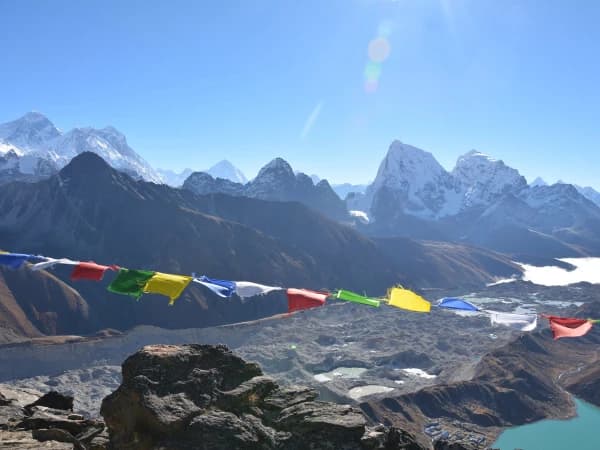
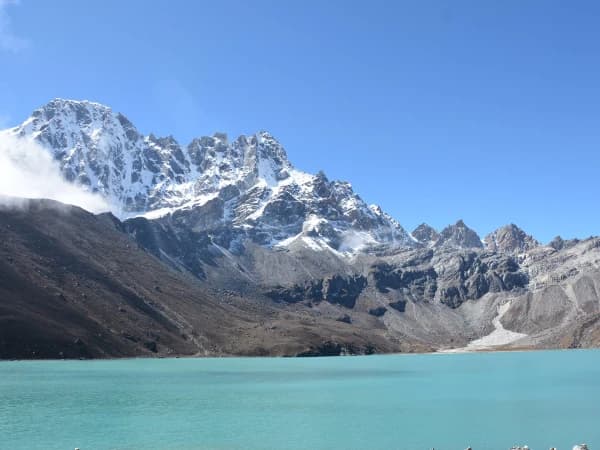
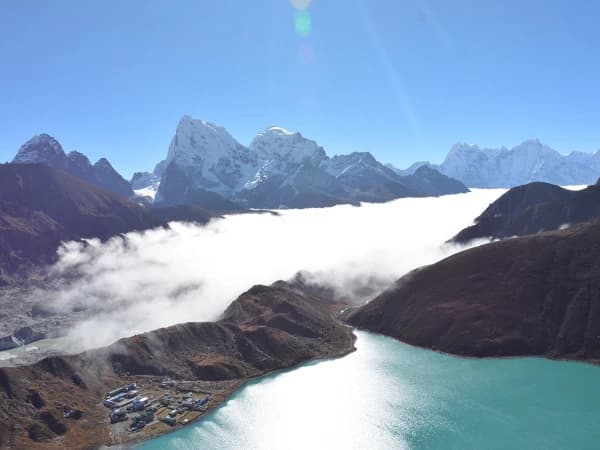
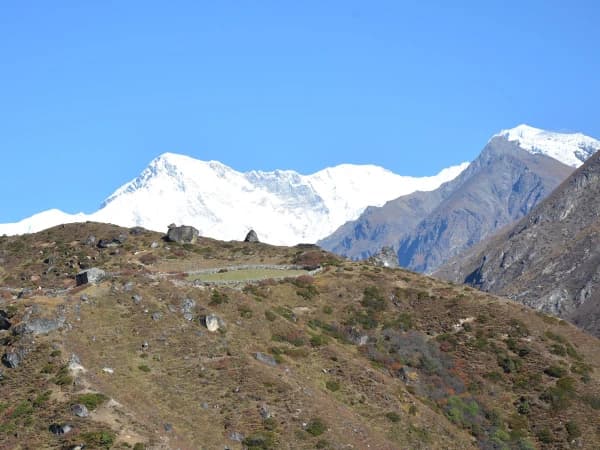
Packing adventure with spirituality, mountains with lakes, and one of life’s biggest adventures, few journeys through the Himalayas feel as quietly profound as the Gokyo Valley Trek. A trip top Gokyo Valley is a serene passage into a world of turquoise lakes, glacial silence, and panoramic summits. Over 14 days, this trek leads you away from busier routes and into the high-altitude calm of the Khumbu, where prayer flags ripple on ridgelines, yaks graze on sparse alpine pastures, and isolated teahouses serve steaming cups of butter tea beneath the watchful faces of Everest, Cho Oyu, Makalu and Lhotse.

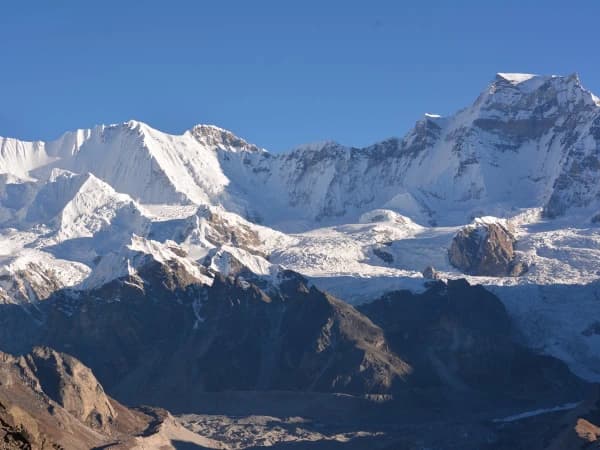
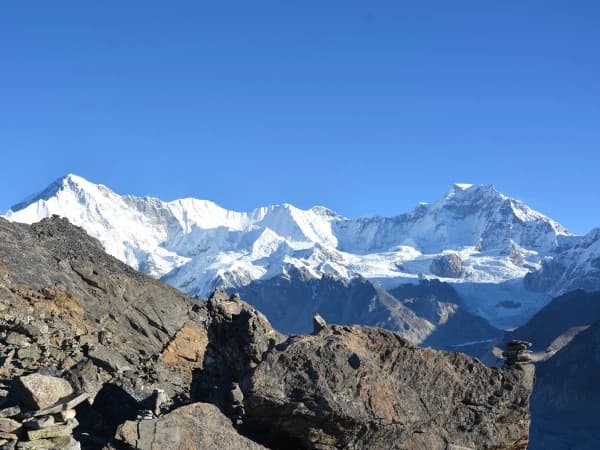
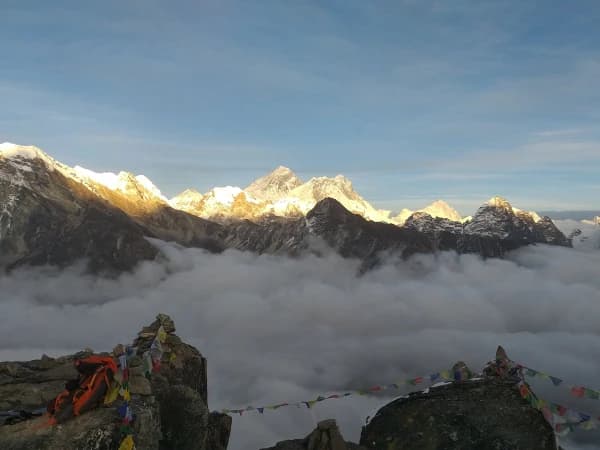
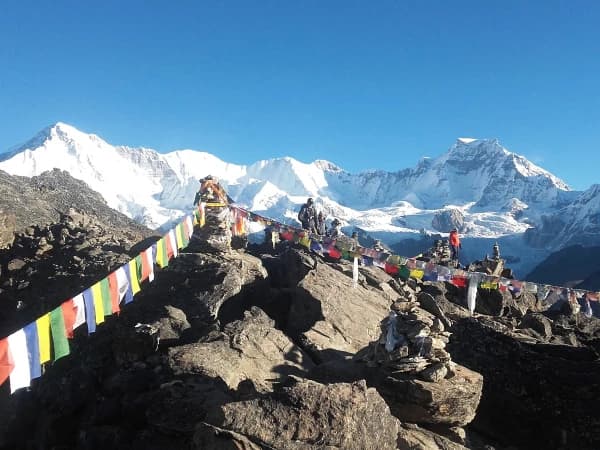
The Gokyo Valley is a place of contrasts: mirror-bright lakes set against raw moraines, quiet stone villages besides roaring glacial streams, and simple human life stitched into an immense mountain scenery. Over 14 days, the Gokyo Valley trek follows the rugged course of the Dudh Koshi River into Sagarmatha National Park, a UNESCO World Heritage Site, before ascending through picturesque Sherpa villages, rhododendron forests, and glacial valleys to the awe-inspiring Gokyo Lakes. Climbing Gokyo Ri (5,357 m) offers one of the most complete panoramic views in the Himalayas, a sweep of giants that includes four of the world’s 8,000-metre peaks – the Everest, Lhotse, Makalu, and Cho Oyu glowing in sunrise light. 

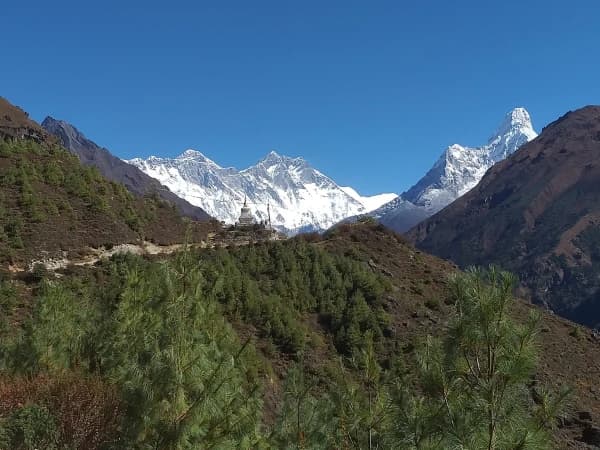
But this trek is not just about reaching high points; it’s about immersing in Sherpa culture and experiencing the subtle spiritual energy that pervades the Khumbu. You’ll visit monasteries, cross suspension bridges strung with prayer flags, and share laughter with locals who live in some of the world’s most challenging yet beautiful environments.

For those who wish to experience the majesty of the Everest region in peace walking among crystalline lakes and glacial valleys rather than crowds, the Gokyo Valley Trek is a perfect choice. It’s a journey for the soul as much as for the body, one that rewards every step with silence, beauty, and awe.

At Iconic Himalaya, our experienced guides and porters take care of the logistics, safety and local introductions, so you can walk lightly, breathe deeply and let the mountains do the rest.

Gokyo Valley Trek Highlights

  • A quieter, reflective alternative to busier high routes — walk amid lakes and glaciers rather than crowds.
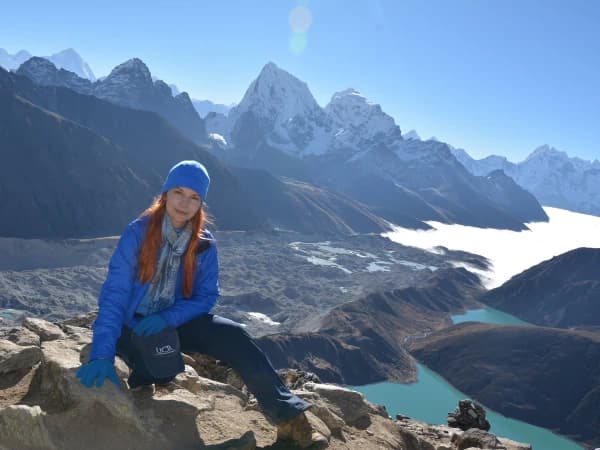
  • Climb Gokyo Ri (5,357 m) for a breathtaking 360° panorama of Everest, Lhotse, Cho Oyu and Makalu.
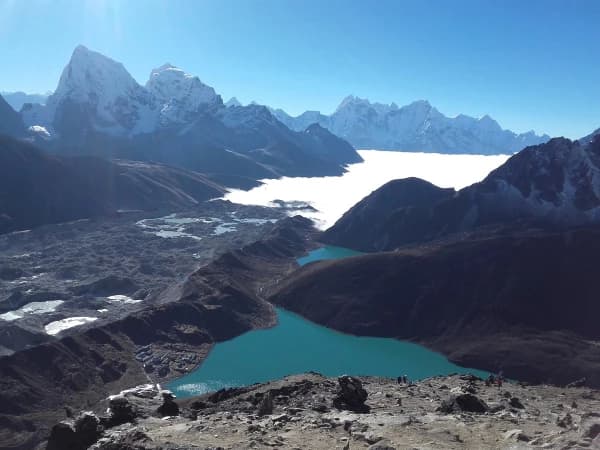
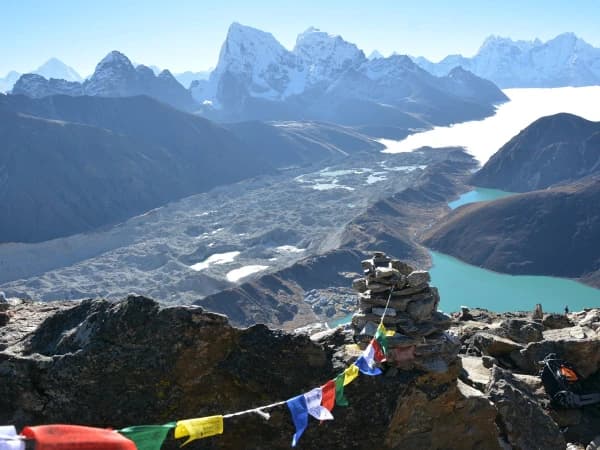
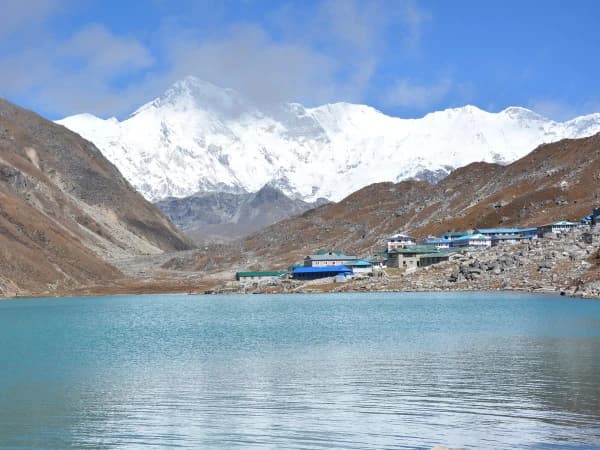
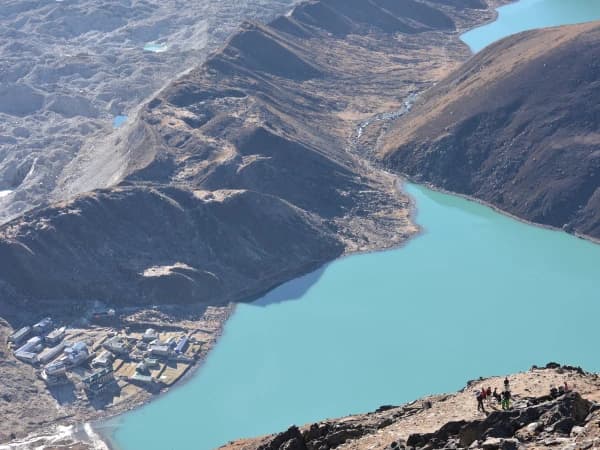
  • Explore the sacred Gokyo Lakes — jewel-blue pools set on a high plateau beneath soaring peaks.
  • Traverse the lateral moraines of Ngozumpa Glacier, Nepal’s longest glacier, and experience true glacial landscapes.
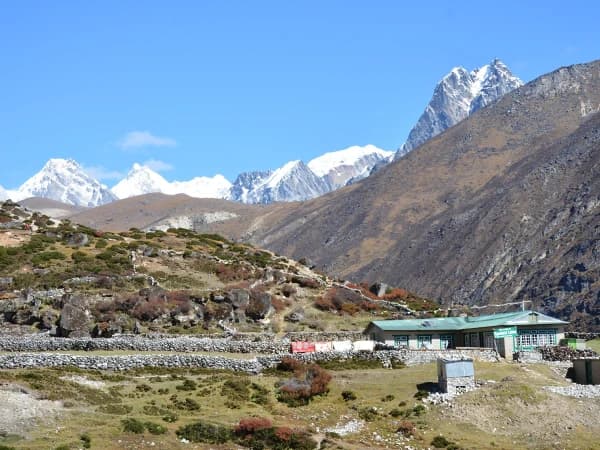
  • Visit traditional Sherpa villages — Machhermo, Dole and Gokyo — and learn about mountain life and Buddhist rituals.
  • Walk through rhododendron forests, alpine meadows and high, stony passes that change with every hour of light.
  • Discover Tengboche Monastery’s chanting and spiritual atmosphere on the approach and return route.
  • Cross iconic suspension bridges and follow trails carved by centuries of traders, pilgrims and yak caravans.
  • Comfortable teahouse nights punctuated by warm meals, yak-wool blankets and clear, starry skies.
  • Opportunities for photography and quiet reflection in one of the Himalaya’s most peaceful corners.
Gokyo Valley Trek Itinerary

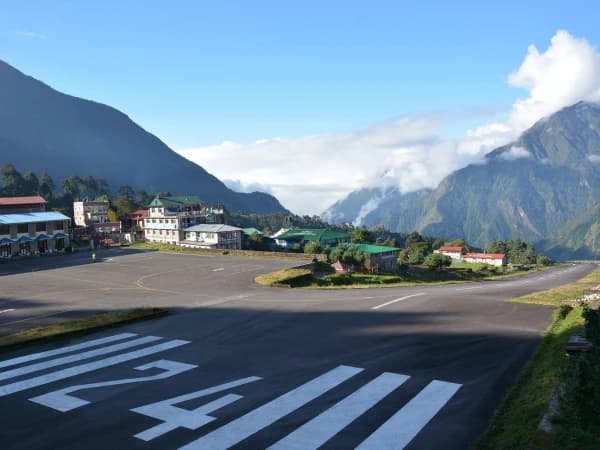
Note: During peak travel months such as April, May, October and November, direct flights from Kathmandu to Lukla are not available. Instead, you will have to opt from flying to Lukla from Manthali. Manthali is a pleasant 5–6-hour drive from Kathmandu.

Kathmandu - KathmanduExpand all
Max Altitude: 1,455 m.|4,776 ft. Accommodation: 2-3 Star hotelMode of Travel: Pickup by private car/vanDuration: 20 to 30 MinutesDistance: 5 kilometer
Max Altitude: 1,455 m.|4,776 ft. Meals: BreakfastAccommodation: 2-3 Star hotelMode of Travel: Private car/van with tour guideDuration: 5 to 6 Hours
Max Altitude: 2,610 m.|9,199 ft. Meals: Breakfast, Lunch and DinnerAccommodation: Guest house or lodgeMode of Travel: Flight and WalkingDuration: 4 to 5 HoursDistance: 7.5 Kilometer
Max Altitude: 3,440 m.|11,286 ft. Meals: Breakfast, Lunch and DinnerAccommodation: Guest house or lodgeMode of Travel: WalkingDuration: 7 to 8 hoursDistance: 10.8 Kilometer
Max Altitude: 3,880 m.|12,729 ft. back to 3,440 m.|11,286 ft. Meals: Breakfast, Lunch and DinnerAccommodation: Guest house or lodgeMode of Travel: WalkingDuration: 3 to 4 hoursDistance: 4/ 5 Kilometers
Max Altitude: 4,038 m.|13,248 ft. Meals: Breakfast, Lunch and DinnerAccommodation: Guest house or lodgeMode of Travel: WalkingDuration: 6 to 7 HoursDistance: 12 Kilometers
Max Altitude: 4,470 m.|14,665 ft. Meals: Breakfast, Lunch and DinnerAccommodation: Guest house or lodgeMode of Travel: WalkingDuration: 4 to 5 HoursDistance: 7 Kilometers
Max Altitude: 4,790 m.|15,715 ft. Meals: Breakfast, Lunch and DinnerAccommodation: Guest house or lodgeMode of Travel: WalkingDuration: 4 to 5hoursDistance: 7.5 Kilometers
Max Altitude: 5,357 m.|17,575 ft. Meals: Breakfast, Lunch and DinnerAccommodation: Guest house or lodgeMode of Travel: WalkingDuration: 7 to 8 HoursDistance: 11 Kilometers total
Max Altitude: 3,440 m.|11,286 ft. Meals: Breakfast, Lunch and DinnerAccommodation: Guest house or lodgeMode of Travel: WalkingDuration: 6/7 hoursDistance: 19 Kilometers
Max Altitude: 2,804 m.|9,199 ft. Meals: Breakfast, Lunch and DinnerAccommodation: Guest house or lodgeMode of Travel: WalkingDuration: 6 to 7 HoursDistance: 17.5
Max Altitude: 1,455 m.|4,776 ft. Meals: BreakfastAccommodation: 2-3 Star hotelMode of Travel: Flight and car/vanDuration: 1 Hours total
Max Altitude: 1,455 m.|4,776 ft. Meals: BreakfastAccommodation: Check out from the hotelMode of Travel: Drop to the airport by car/ vanDuration: 20 to 30 MinutesDistance: 5/6 Kilometers
Unable to locate what are you seeking?Download brochure or customize your trip.
Customize Trip
Route Map
Gokyo Lakes Trek
Altitude Chart
Gokyo Lakes Trek
Cost Details
Includes
  • In-country airport pickups and drops in a private vehicles.
  • Standard hotel accommodation in Kathmandu with breakfast.
  • Kathmandu sightseeing by private car with guide.
  • Domestic flight (Kathmandu–Lukla–Kathmandu) with airport taxes.
  • Professional English-speaking, licensed local guide.
  • Experienced porters for luggage up to 25 kg per porter (1 porter per 2 trekkers).
  • Staff salary, insurance for staff, food and accommodation for crew.
  • All meals during the trek (Breakfast, Lunch, Dinner) in tea houses.
  • Lodging in tea houses along the trek.
  • Sagarmatha National Park and local permits.
  • Water purification (tablets or filters) for safe drinking water.
  • First aid kit carried by the guide.
  • Emergency rescue assistance coordination.
  • All  government local taxes/VAT and office expenses
  • Sleeping bag, down jackets and a duffle bag- if necessary( return after trek).
  • Trip completion certificate and trek route map.
Excludes
  • Nepal entry visa fee (obtainable on arrival or online).
  • Travel insurance (compulsory; must cover high-altitude rescue & helicopter evacuation).
  • Meals in Kathmandu beyond those included and all beverages (hot drinks, bottled water, and alcohol).
  • Personal trekking equipment (unless rented), laundry, phone calls, and hot shower or Wi-Fi charges in teahouses.
  • International airfare to/from Nepal.
  • Excess baggage charges on domestic flights.
  • Extra nights in Kathmandu for early arrival, late departure, or emergency/voluntary itinerary changes.
  • Tips/gratuities for guides and porters.
  • Any service not listed under “Includes.”
Dates & Availability

We run fixed-departure and private group treks throughout the main seasons. Customize departure dates to fit your schedule — families, solo trekkers, and private groups are welcome. Reserve early for autumn and spring seasons as spaces fill quickly.

Note:

  • The itinerary may change due to weather, flight cancellations, or health reasons. A buffer day is advised for flight delays to/from Lukla.
  • For trip confirmation, a deposit (typically 25% of total) is required; balance due per operator policy.
Gokyo Valley Trek Equipments

Equipment and accessories are essential for comfort, safety and success on high-altitude treks. Below is a detailed packing guide adapted for Gokyo Valley Trek.

Equipment and Accessories packing list

Bag & Packs

  • Main backpack: 40–65 L capacity (comfortable hip belt, ventilated back).
  • Daypack: 20–30 L for daily essentials and valuables (water, camera, layers).
  • Duffel bag: for porter to carry the main luggage.

Footwear

  • Sturdy, waterproof trekking boots with ankle support and crampon compatibility.
  • Comfortable camp shoes or sandals for evenings.
  • Spare trainers or sandals for village use.

Clothing

  • Warm down jacket (heavy) and lightweight insulated jacket for layering.
  • Fleece or mid-layers (2).
  • Waterproof, breathable shell jacket and pants.
  • Thermal base layers (top & bottom).
  • Quick-dry trekking shirts and long sleeve layers.
  • Trekking pants and a spare pair.
  • Warm hat/beanie, sun hat, gloves (liner and insulated), warm socks (wool).
  • Gaiters (helpful for snow or mud).

Sleeping & Bedding

  • Sleeping bag rated to at least -10 °C (ideally -15 °C for comfort).
  • Lightweight liner (optional but increases hygiene).

Gadgets & Accessories

  • Sunglasses (UV protected) and sunscreen (high SPF).
  • Headlamp with spare batteries.
  • Trekking poles (recommended).
  • Water bottles (2 × 1 L) and/or hydration bladder; water purification tablets.
  • Power bank and spare camera batteries (limited charging in tea houses).
  • Personal toilet kit, quick-dry towel, toilet paper.
  • Basic repair kit (needle/thread, duct tape), zip ties, and plastic bags for waterproofing.
  • Compass & map (guide will carry detailed maps).

Medical & First Aid

  • Personal prescription medicines and a small personal first aid kit.
  • Diamox (acetazolamide) if advised by your physician for acclimatization.
  • Pain relievers, antidiarrheal, rehydration salts, antiseptic wipes, blister plasters.

Women-Specific
For women trekkers, additional essentials make the journey safer and more comfortable. Carry feminine hygiene products, moisturizer, and SPF lip balm, along with wet wipes for long days. A light scarf or shawl is useful for monasteries or homes. Many teahouses are managed by Sherpa women, creating a welcoming environment. Trekking in the Himalayas as a woman is a journey of strength, independence, and connection to a global sisterhood of adventurers.

Essential Information

Gokyo Valley Trek Difficulty

This trek is rated moderate to challenging and involves long walking days of 4-7 hours daily. Terrain includes rocky paths, suspension bridges, alpine meadows, and high-altitude trails. Gokyo Ri at 5,360 m is the highest point.

Good fitness and recent hiking experience are recommended. The route is non-technical but demands respect for altitude and endurance.

Altitude Sickness and Remedies

As with any trek above 5,000 m, altitude sickness is possible. Our itinerary includes acclimatization days and gradual ascent profiles. Our guides monitor symptoms, and immediate descent is the only safe remedy for serious AMS. Travel insurance covering helicopter evacuation is mandatory.

Few preventive measures to remember:

  • Hydrate liberally (3–4 L/day).
  • Climb slowly and obey rest/acclimatization days.
  • Inform the guide immediately of symptoms.
  • Medical option: Diamox (acetazolamide) under doctor’s advice.
  • Descend promptly if symptoms worsen (HAPE/HACE are medical emergencies).

Travel Insurance

Coverage for high-altitude emergencies and helicopter evacuation is mandatory.

Training

Cardio, stair climbing, and long walks prior to trekking will prepare you for high-altitude conditions. Prepare with 6–8 weeks of aerobic training, hill walking with a loaded pack, stair climbing and strength work for legs and core. The fitter you are, the more you will enjoy each day.

Best Time

Spring (March–May) and autumn (September–November) offer the most stable weather.  You will experience clear views and pleasant trekking conditions. Early spring brings rhododendron blooms; autumn offers crisp air and post-monsoon clarity. Best to avoid monsoon time from June to August and harsh winter conditions during December to February.

Food and Accommodation

Teahouses, family-run lodges with twin rooms or simple single rooms, shared bathrooms, and communal dining areas will be your nightly stops. Meals are hearty and nourishing: dal bhat, soups, noodles, eggs, pancakes and occasional treats like apple pie. Accommodation varies from simple to cozy with shared bathrooms; hot showers are sometimes available for a fee.

Gokyo Valley Trek FAQs

The best months are September–November and March–May. During these periods, the weather is stable, skies are clear, and mountain views are spectacular. Avoid the monsoon (June–August) due to slippery trails and flight cancellations, and winter (December–February) because of harsh cold and snow.

The highest point is Gokyo Ri at 5,360 m. The trek is moderate, with daily hikes of 4–7 hours. Trails include rocky paths, suspension bridges, glaciers, and alpine terrain, which require good physical fitness and stamina.

No prior trekking experience is necessary, but regular cardio, walking, and stair-climbing before the trek will help you manage the high-altitude conditions comfortably.

Acclimatize gradually, stay hydrated (3–4 liters/day), eat high-energy meals, rest when needed, and pay attention to your body. If symptoms worsen, inform your guide immediately. Medications like Diamox can help prevent altitude sickness.

Tea houses along the route provide simple yet comfortable accommodation, often with shared bathrooms. Some have hot showers for an additional fee. Meals are typically Nepali, Tibetan, or Western.

Bring essential trekking gear including warm clothing, waterproof jacket, thermal layers, trekking shoes, hats, gloves, sunscreen, trekking poles, sleeping bag, and personal hygiene items. Women trekkers should carry feminine hygiene products and a light scarf or shawl.

Mobile networks and Wi-Fi are available intermittently in larger villages like Namche Bazaar and Gokyo. Power banks are recommended, as electricity may be limited or charged for a fee in tea houses.

Yes, it is mandatory. Ensure your insurance covers high-altitude emergencies, helicopter evacuation, and medical treatment during the trek.

Yes, depending on your fitness, time, and interests, you can extend rest days, add side hikes, or explore additional viewpoints around the Gokyo Valley.

Absolutely. You’ll encounter monasteries, Mani walls, prayer flags, and traditional Sherpa villages. Local hospitality, culture, and Buddhist traditions are integral highlights of this trek.

Speak to an Expert+977 9851130654

Share your queries and contact details with us on WhatsApp, and we’ll reach out to tailor a package that meets your needs.

Need Help? Call Us+977 9851130654